The beverage business spans two worlds that share the same shelf — alcoholic drinks like beer, wine, whisky, rum and vodka, and the fast-growing non-alcoholic side of fruit juices, carbonated soft drinks, smoothies and mocktails. Both are among the most enduring manufacturing opportunities anywhere, because demand is steady, the products are consumable and repeat-purchased, and units can be built at a wide range of scales, from a small fruit-wine or juice line to a full distillery.
These technology handbooks are written for entrepreneurs who want to understand exactly how a beverage is made before they invest — the raw materials, the fermentation or blending process, the plant and machinery, the formulations, and the project economics. They are practical manufacturing guides, not academic texts, and each is prepared by EIRI's industrial consultants drawing on more than 45 years of project experience.
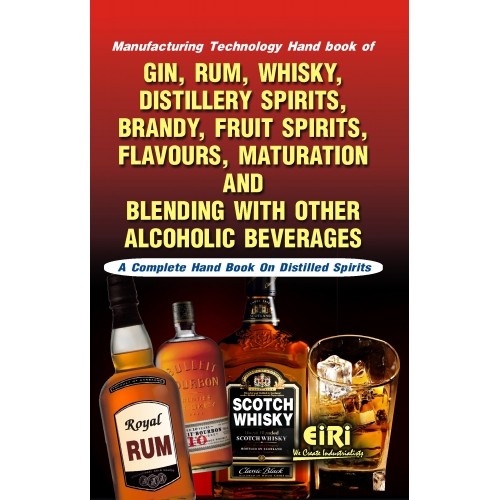
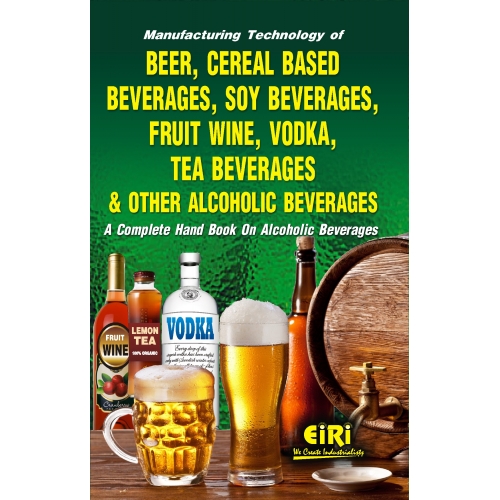
The titles in this category cover the full breadth of the beverage sector. On the distilled and fermented side, they explain the production of gin, rum, whisky, brandy and distillery spirits, including maturation, blending and flavour development. For lower-alcohol and fermented drinks, there is dedicated coverage of beer, cereal-based beverages, soy beverages, fruit wine and vodka, and a focused guide to wine production and packaging.
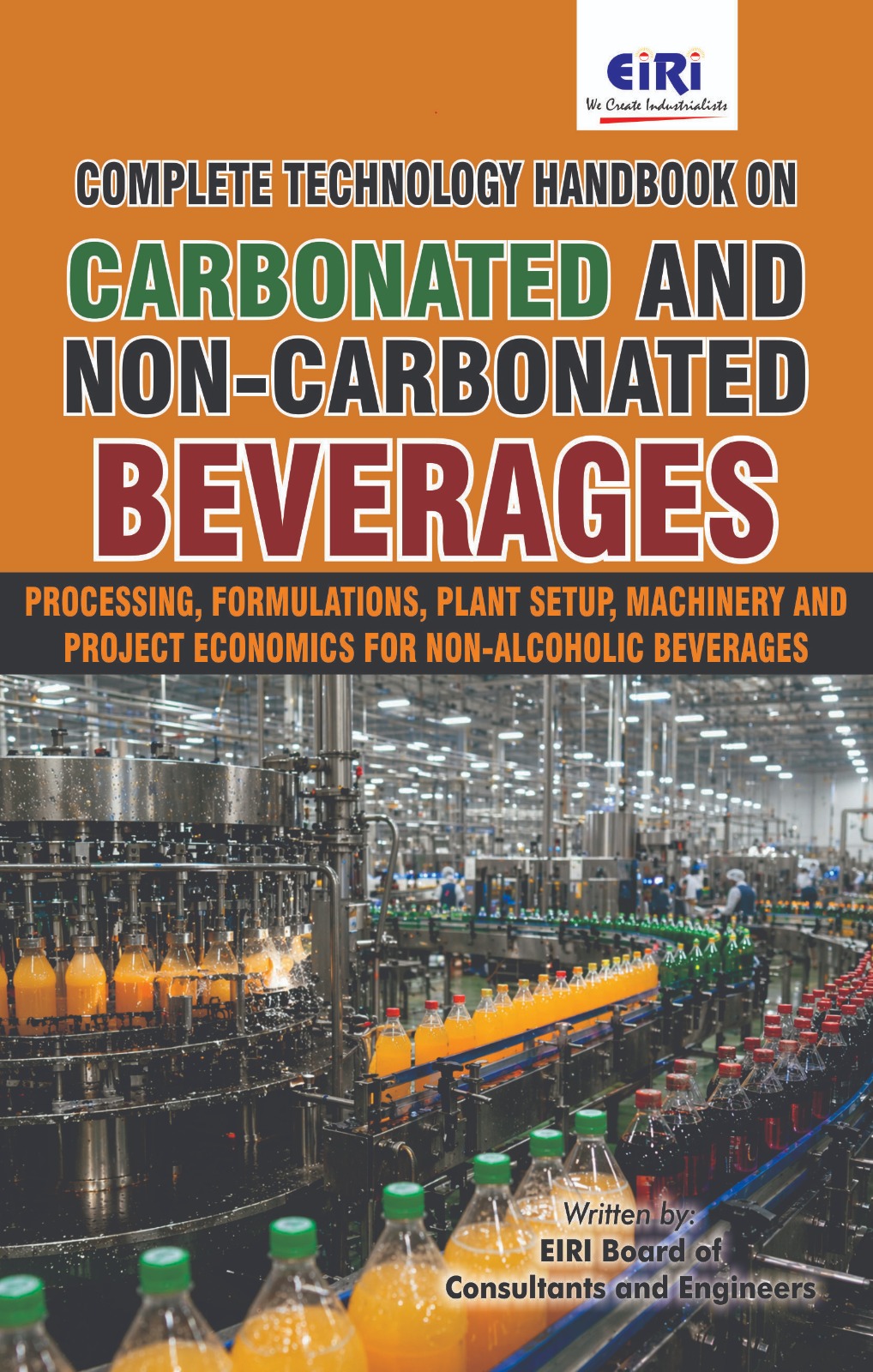
On the non-alcoholic side — often the more accessible entry point for a first-time manufacturer — the handbooks cover fruit juices, smoothies, sugarcane juice, mocktails and liquor bottling, and the full setup for carbonated and non-carbonated soft drinks, including processing, formulations, plant setup, machinery and project economics.
Each handbook is structured to answer the questions a serious entrepreneur asks before committing capital: what raw materials are required and where they come from; the step-by-step manufacturing or fermentation process; the plant and machinery needed at different capacities; product formulations; quality and regulatory considerations; and indicative plant economics covering capital investment, working capital and turnover. This is the same technical depth that underpins a full project report, packaged as a reference you can buy and study directly.
Beverage manufacturing is a regulated activity. Non-alcoholic drinks require FSSAI registration or licensing in India and equivalent food-safety approval elsewhere, along with BIS standards for packaged products. Alcoholic beverage production is more tightly controlled and involves state excise licensing, which varies considerably by jurisdiction and is one of the most important early steps to confirm. The handbooks explain the process and machinery; licensing requirements should always be verified with the relevant authority for your location before investing.
Non-alcoholic beverages — fruit juices, packaged water-based drinks and soft drinks — are generally the most accessible starting point. They require lower regulatory clearance than alcohol, can be produced at modest scale, and have broad year-round demand. Alcoholic beverage production offers higher margins but involves excise licensing that takes longer to secure.
Yes. Each handbook covers the plant and machinery required and includes indicative plant economics — capital investment, working capital and projected turnover — so you can understand the scale and shape of the investment before approaching a supplier or lender.
In India, an FSSAI licence is required for food and beverage manufacturing, along with BIS certification for certain packaged products. Requirements differ by country, so confirm the current position with your local food-safety authority.
Yes. The books are technology and process references. If you need bank-ready documentation with detailed financial projections for a loan or investor, EIRI prepares customised Detailed Project Reports separately, matched to your capacity and location.
Many beverage units are viable at small and medium scale, particularly fruit wine, juices and regional soft drinks where local demand and freshness give an advantage over large national brands. The handbooks help you assess realistic capacity for your market.
Browse the beverage technology handbooks above to find the guide matched to your product. Each can be purchased and downloaded, or you can request a free sample to see the depth of coverage first. For customised project documentation or bank-loan reports, send us your requirement and our consultants will respond with the right next step.
Speak with our experts and get personalized guidance for your manufacturing business idea, project planning, machinery selection, and investment strategy.