Agriculture and animal farming remain the most widely accessible business opportunities for first-time entrepreneurs, particularly in India, Africa and South Asia, where land, climate and demand all favour production close to source. Whether the plan is livestock farming, crop cultivation, organic produce or plantation, the difference between a struggling venture and a profitable one is almost always knowledge — of breeds and varieties, feed and inputs, processing methods, and the economics that make the numbers work.
These handbooks give that knowledge in practical form. Each is written for someone planning to start or expand an agri-business, covering the farming or cultivation method, the inputs and infrastructure required, processing where relevant, and indicative project economics — prepared by EIRI's consultants from more than 45 years of project experience.
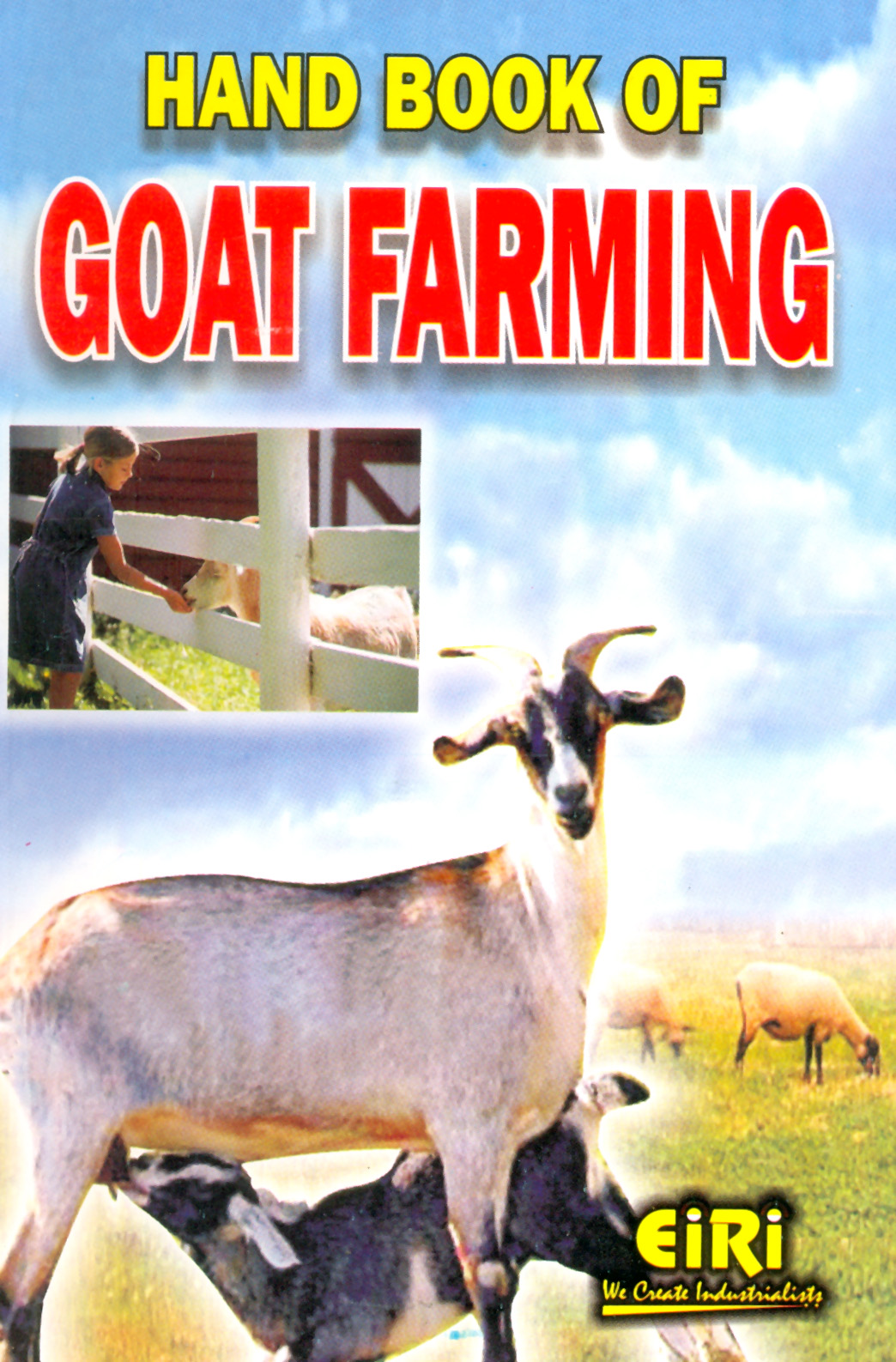
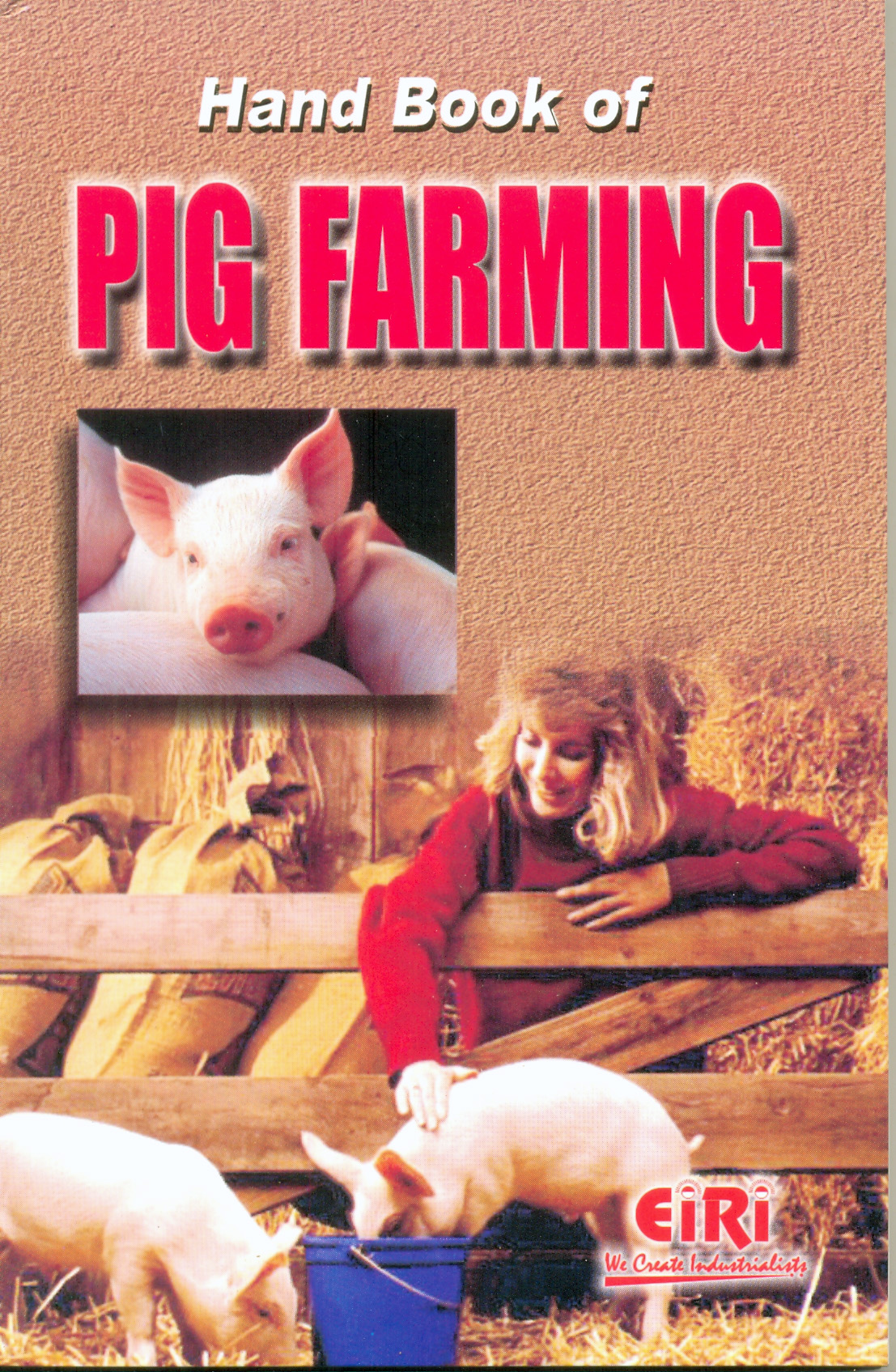
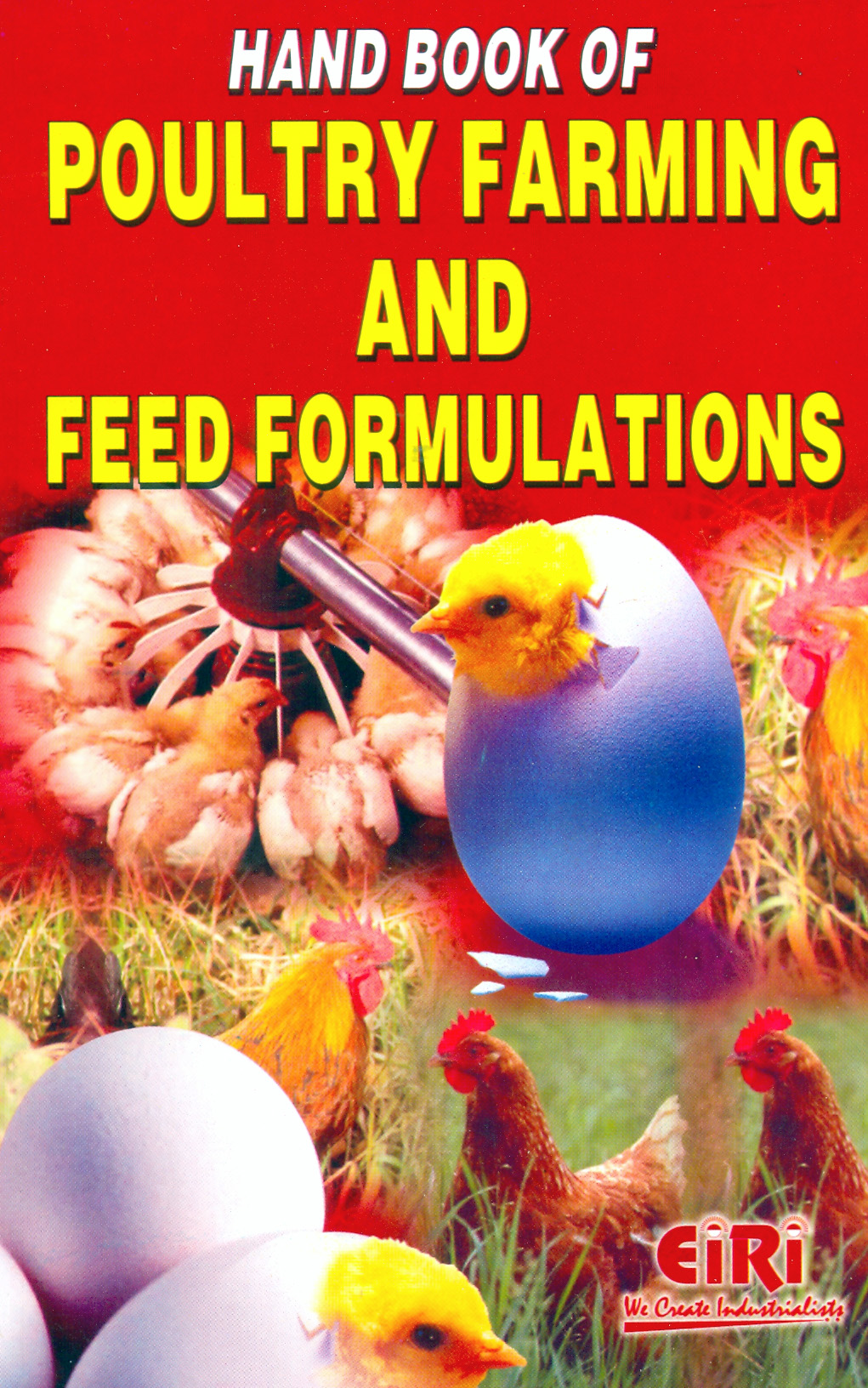
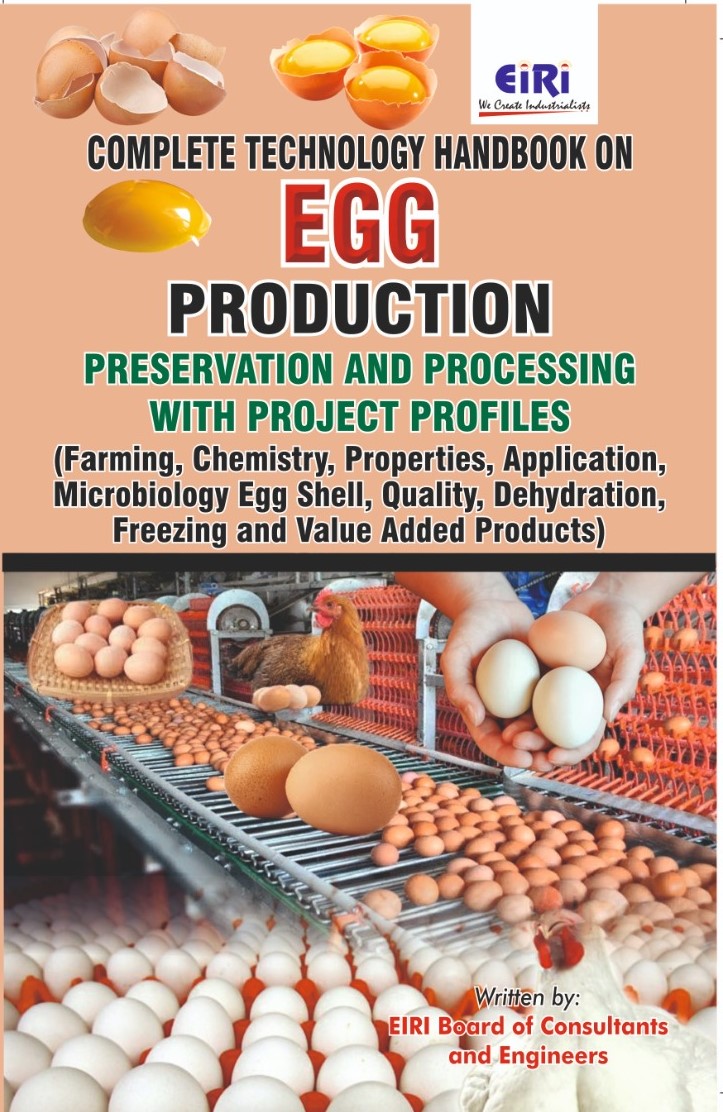
Livestock and animal farming. The category includes dedicated guides to poultry farming with feed formulations, goat farming, pig farming, and a combined guide to pig, goat, rabbit, sheep and emu farming. For milk production, see the handbook on dairy farming with packaging, and for value-added poultry products, the egg production, preservation and processing handbook.
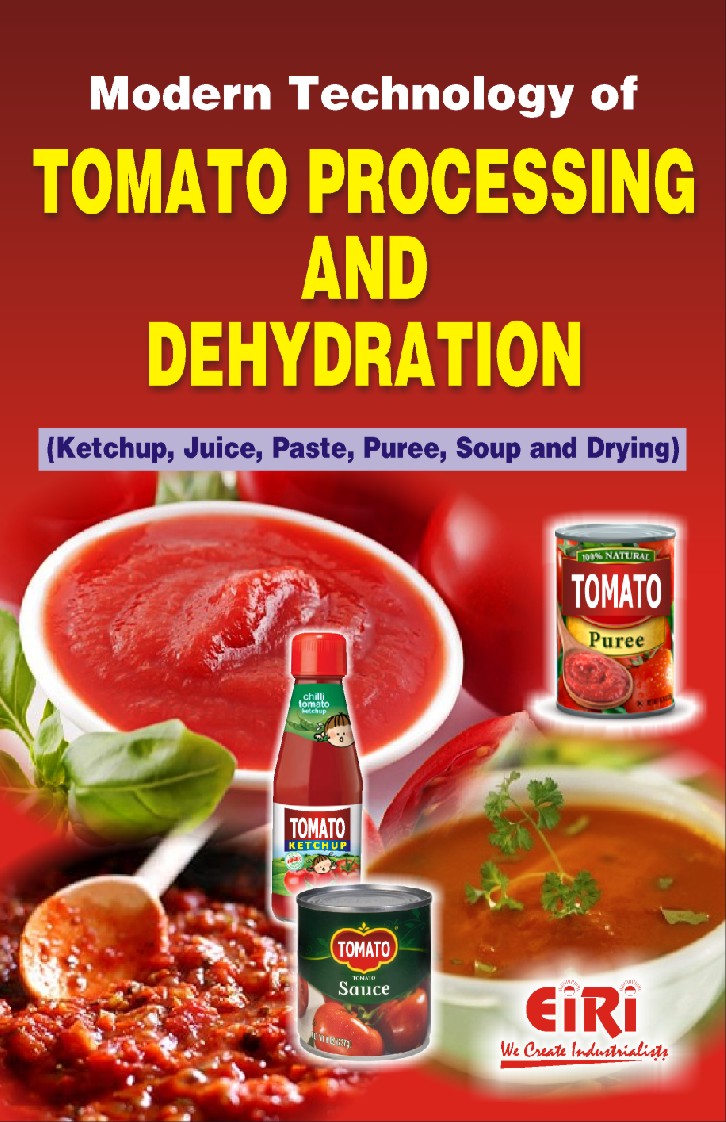
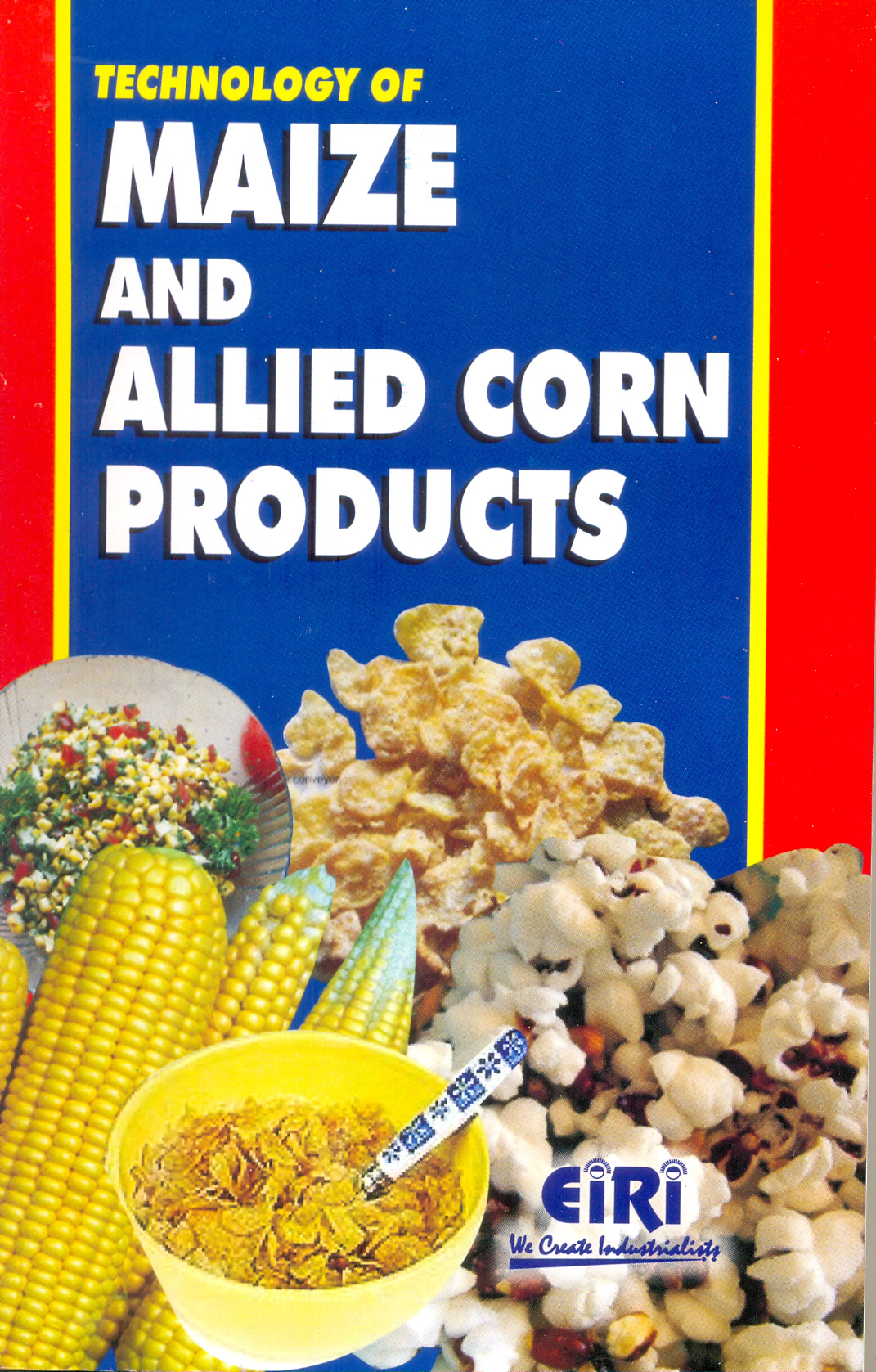
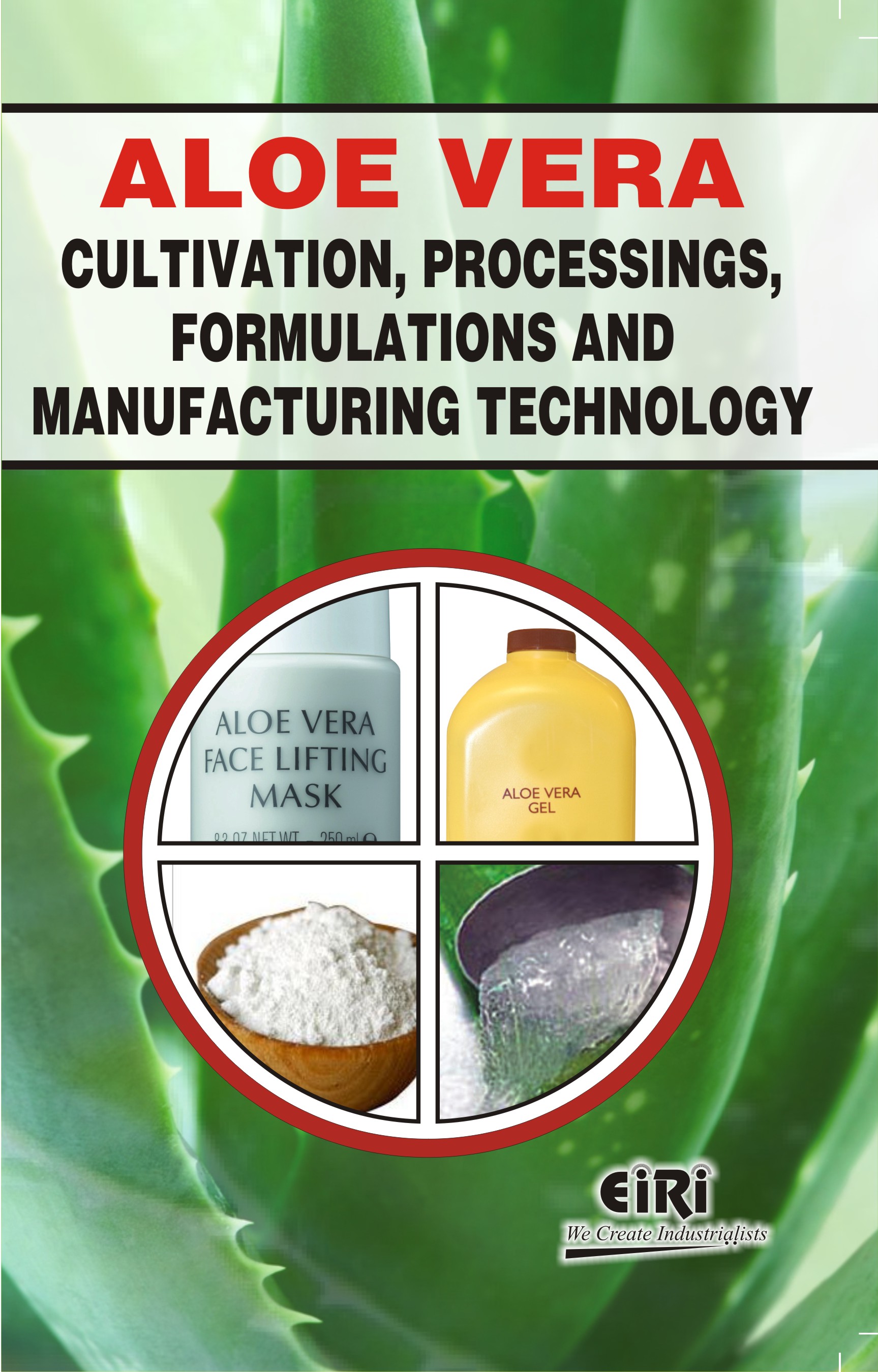
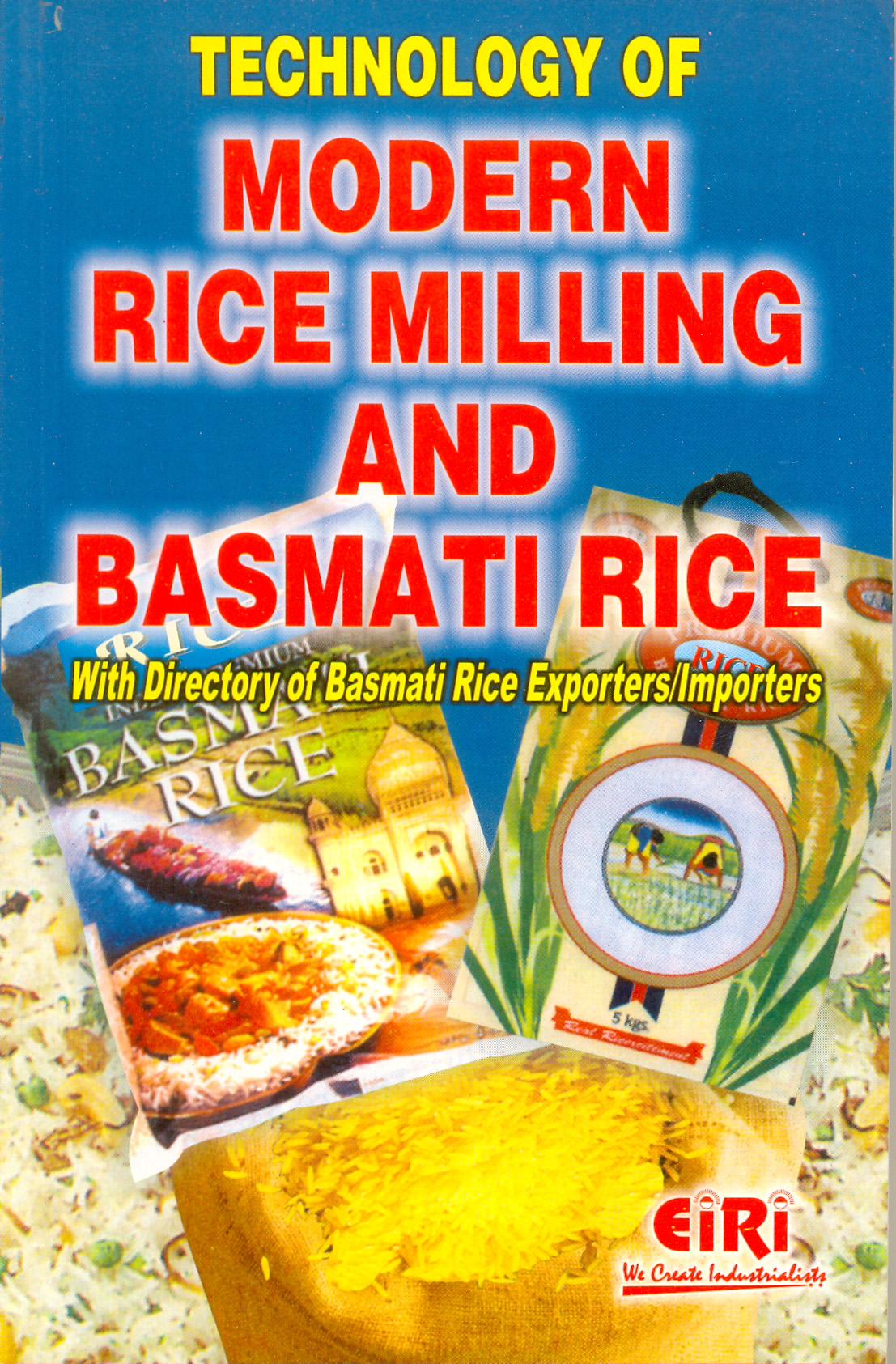
Crop cultivation and processing. The books cover modern rice milling and basmati rice, maize and allied corn products, soybean products, tomato processing and dehydration, and aloe vera cultivation and processing. There is also a complete guide to cashew cultivation, organic farming and CNSL extraction.
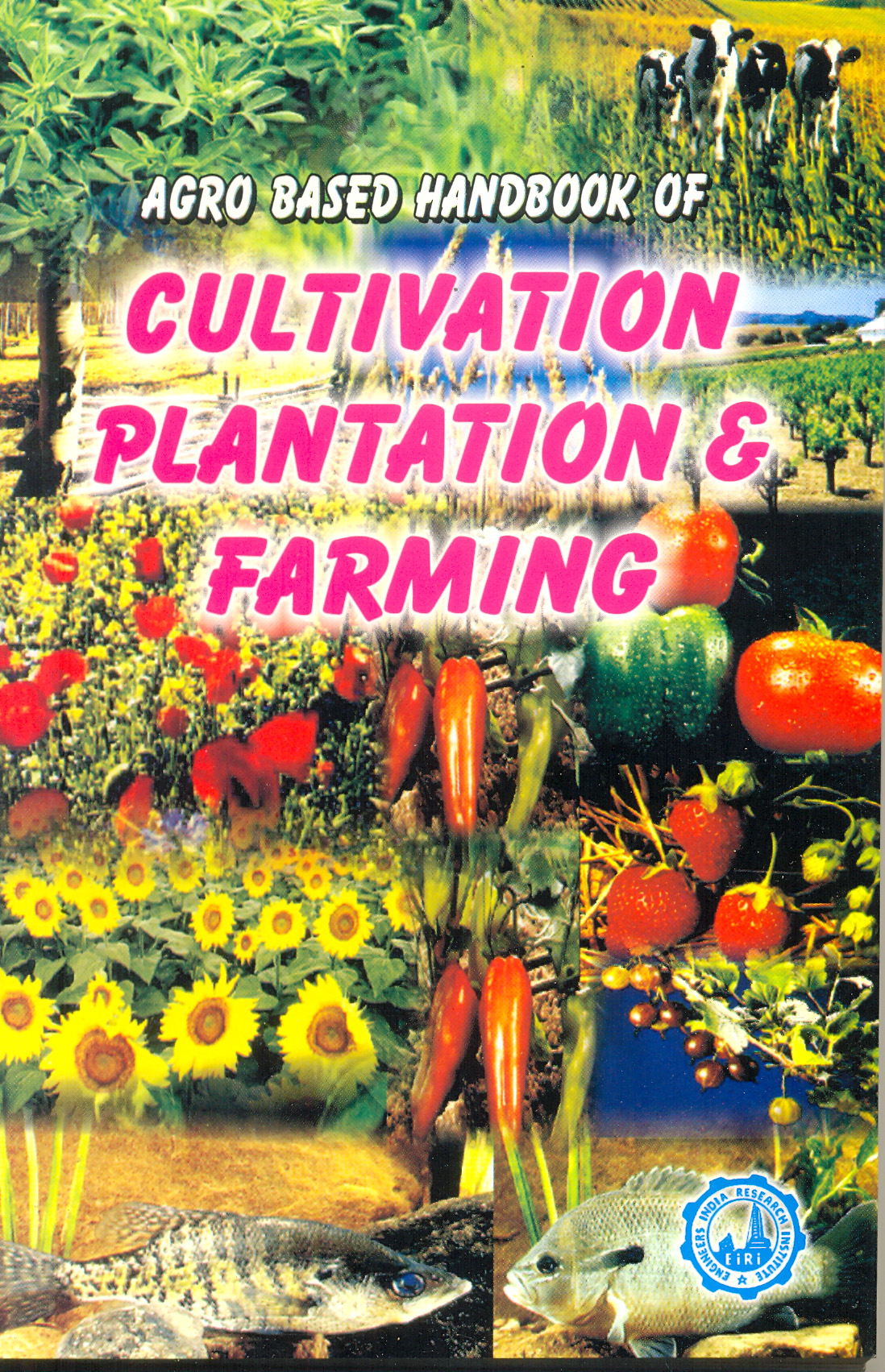
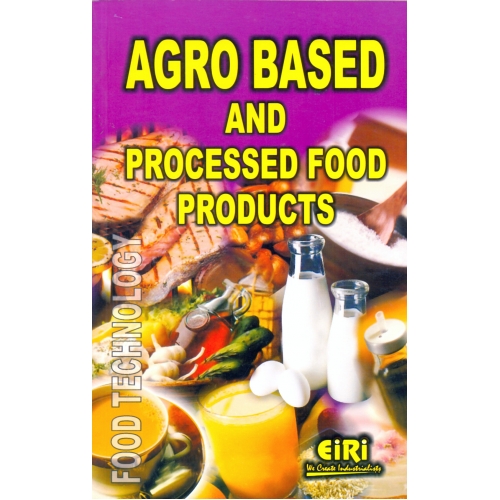
Organic, plantation and specialty farming. These include organic farming with vermicomposting and neem products, floriculture and flower-growing, tree farming, beekeeping and honey processing, and broad references such as the agro-based handbook of cultivation, plantation and farming and agro-based and processed food products. A dedicated guide to agro-chemical industries, insecticides and pesticides supports input-side ventures.
Each handbook covers the practical foundations: the breeds, varieties or inputs suited to commercial production; housing, land or infrastructure requirements; feed, fertiliser or cultivation methods; disease, quality and yield management; processing and value addition where it applies; and indicative economics so you can gauge the investment and returns. These are working references for planning a real operation, not general-interest reading.
Requirements vary by activity and location. Food and processed-produce operations typically need FSSAI registration or licensing in India and equivalent food-safety approval elsewhere; organic production may require certification to carry an organic label; and livestock operations can involve local pollution, veterinary and land-use approvals. Confirm the specific requirements for your activity and region before investing.
Profitability depends on your land, climate, capital and local demand rather than on any single "best" option. Poultry and goat farming are popular first ventures for their relatively quick cycles; dairy suits areas with reliable milk demand; and organic or specialty crops can command premium prices where a market exists. The handbooks help you match an option to your situation.
Not necessarily. Many livestock and specialty operations can begin on modest plots and scale up, while crop cultivation is more land-dependent. Each guide indicates the space and infrastructure a commercial operation typically needs.
Many do. Several titles cover cultivation or rearing plus the processing that adds value — for example rice milling, tomato dehydration, egg processing, or honey extraction — which is often where the stronger margins lie.
It can be, where a market willing to pay a premium exists and where you can obtain the certification needed to label produce as organic. The organic farming handbook covers methods including vermicomposting and neem-based inputs.
Yes. Alongside these reference handbooks, EIRI prepares customised Detailed Project Reports suitable for bank finance and government scheme applications, matched to your intended scale and location.
Browse the handbooks above to find the guide for your intended venture. Each can be purchased and downloaded, or request a free sample to see the depth of coverage. For bank-ready project reports or customised documentation, send us your requirement.
Speak with our experts and get personalized guidance for your manufacturing business idea, project planning, machinery selection, and investment strategy.

.jpg)