Bakery and confectionery is one of the most dependable food-manufacturing sectors an entrepreneur can enter. Bread, biscuits, cakes, chocolate and sweets are everyday purchases with steady, non-seasonal demand, the products suit a wide range of scales from a neighbourhood bakery to an automated biscuit line, and the raw materials — flour, sugar, fats — are widely available. What separates a profitable unit from a failing one is command of the recipe, the process and the equipment, and that is what these handbooks provide.
Each title is a practical technology and formulation guide prepared by EIRI's consultants with more than 45 years of project experience, written for people who intend to manufacture rather than simply read about the sector.
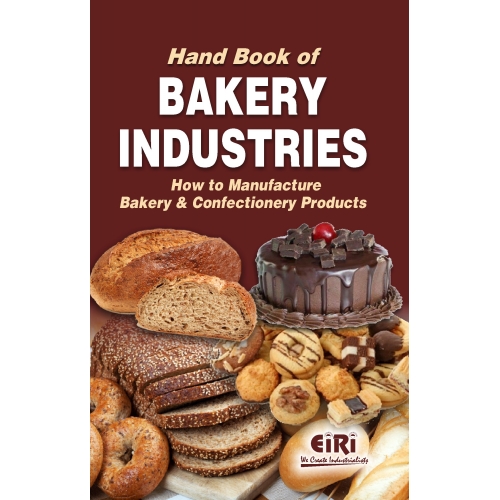
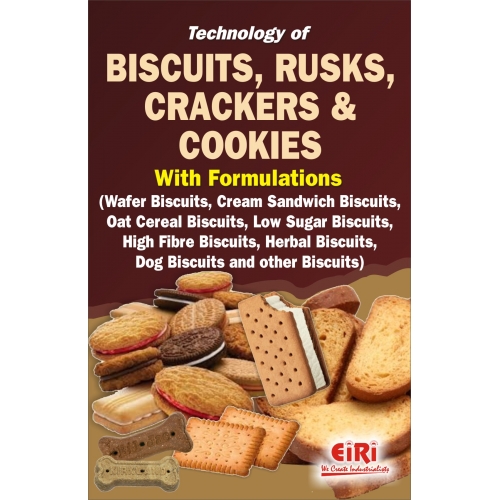
Bakery products. The category includes broad references such as the handbook of bakery industries and the handbook of modern bakery products, plus modern bakery technology and fermented cereal products and a dedicated guide to biscuits, rusks, crackers and cookies with formulations for wafer, cream, oat, low-sugar, high-fibre and other varieties.
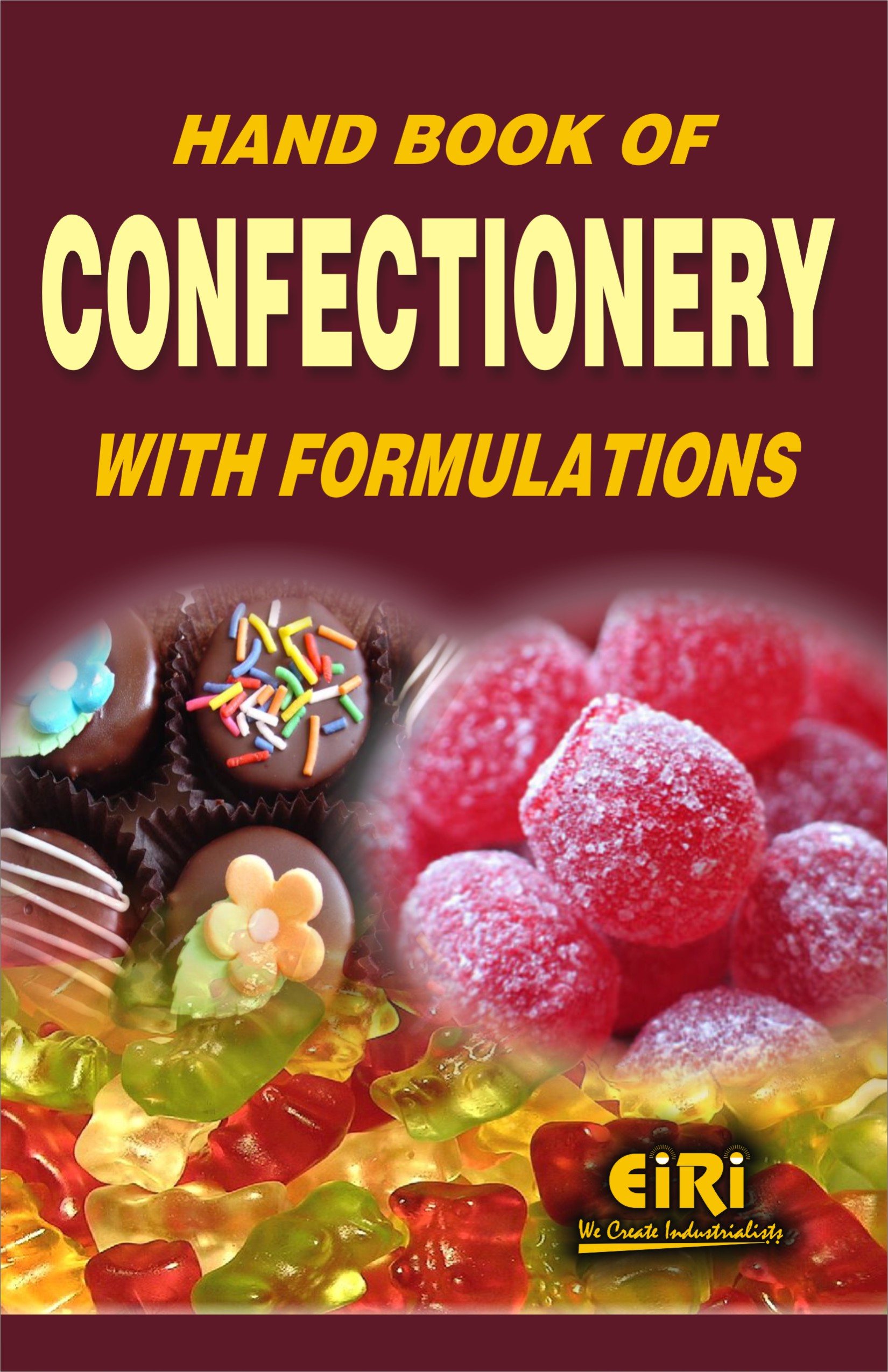
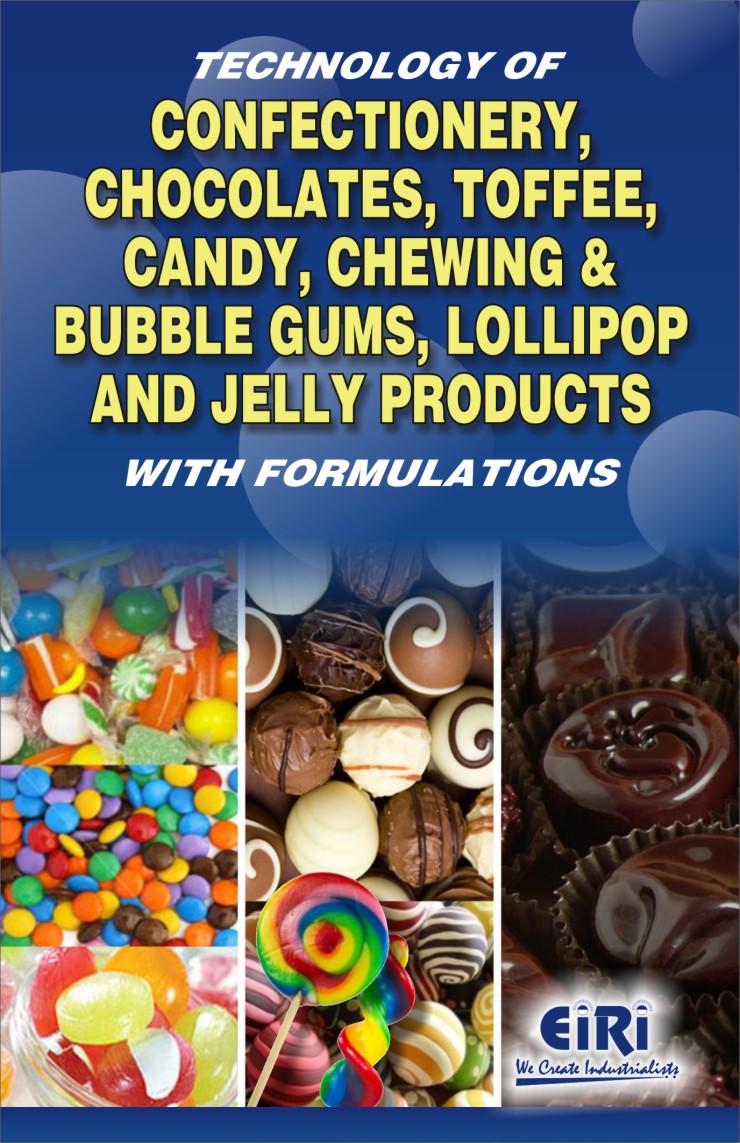
Confectionery and chocolate. These include the handbook of confectionery with formulations, a guide to chocolates, toffee, candy, chewing and bubble gum, lollipop and jelly products, and a start-your-own confectionery and chocolate products handbook.
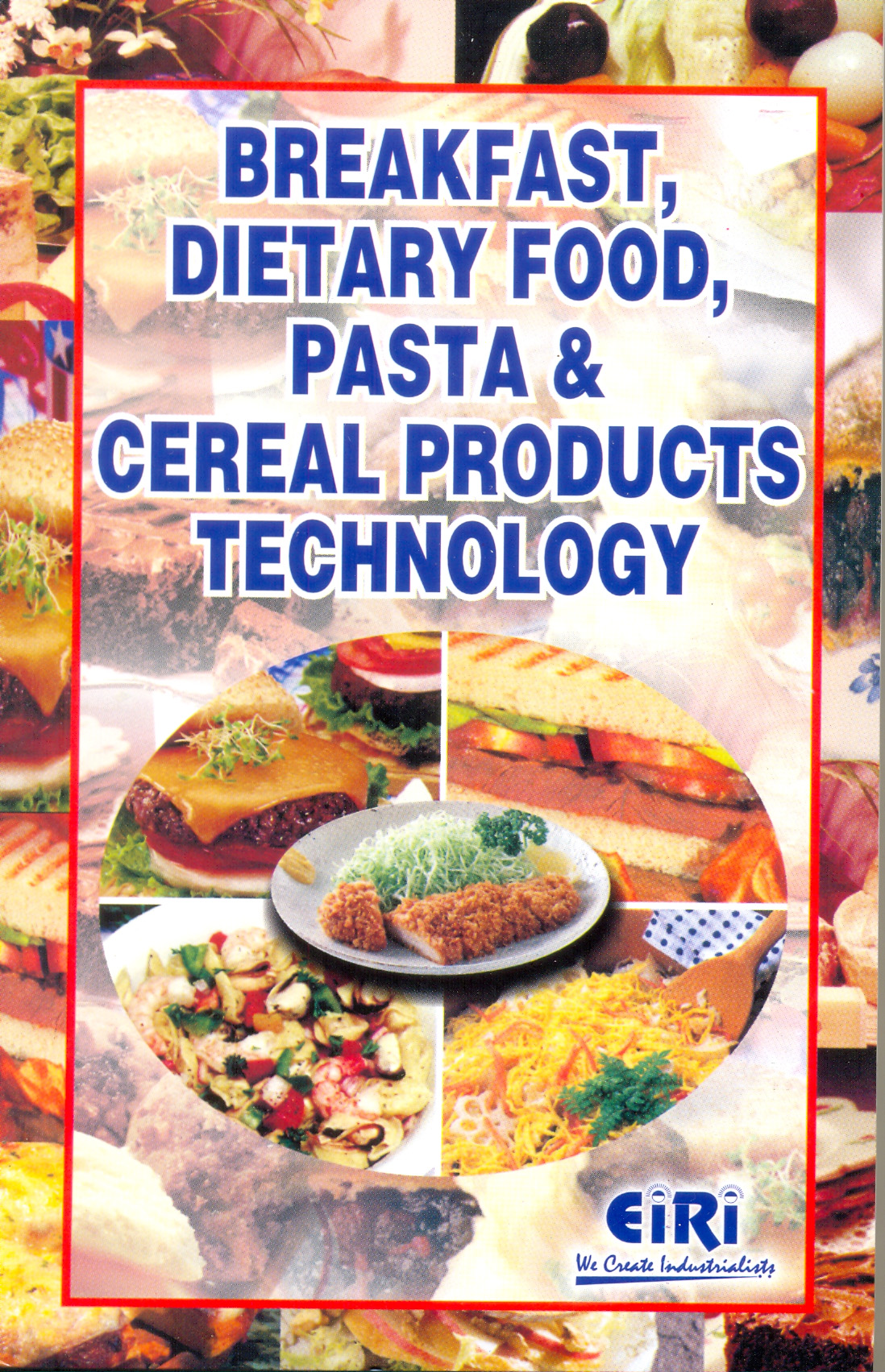
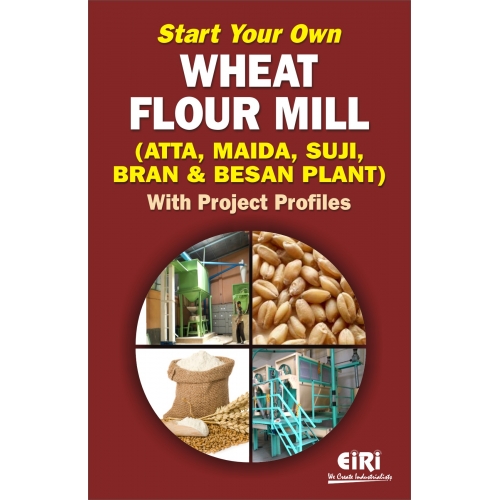
Flour milling and cereals. Complementary opportunities are covered in wheat flour milling — atta, maida, suji, bran and besan, and breakfast, dietary food, pasta and cereal products. A wide-ranging complete handbook on bakery, confectionery, chocolate, namkeen, snacks, spices and ice cream ties the whole category together.
Each handbook covers the recipe and formulation, the step-by-step manufacturing process, the plant and machinery required at different capacities, ingredient and raw-material requirements, quality and shelf-life considerations, and indicative plant economics. This is the technical basis you need to specify equipment, plan production and estimate investment.
Bakery and confectionery manufacturing requires an FSSAI licence in India and equivalent food-safety approval elsewhere, together with standard business registrations and, for packaged products, applicable labelling and BIS standards. Confirm current requirements with your local food-safety authority before investing.
Bakery and confectionery products enjoy steady everyday demand, which makes the sector relatively resilient. Profitability depends on product mix, scale, consistency and distribution. Biscuits and packaged bakery goods suit larger automated production, while fresh bakery and specialty confectionery can succeed at smaller scale on quality and freshness.
It depends on the product — a biscuit line, a chocolate unit, a flour mill and a bread bakery each use different equipment. Each handbook sets out the plant and machinery for its product category, which lets you scope requirements before contacting suppliers.
Fresh bakery and confectionery can begin at small scale, subject to food-safety licensing. Packaged, longer-shelf-life products such as biscuits generally need more equipment and space. The handbooks help you judge a realistic starting scale.
Yes. Formulations are central to this category — the biscuit, confectionery and bakery handbooks include the recipes and formulation guidance behind the products.
Yes. Alongside these handbooks, EIRI prepares customised Detailed Project Reports for bakery, biscuit, confectionery and flour-milling units, suitable for loans and scheme applications and matched to your capacity and location.
Browse the handbooks above to find the guide for your product. Each can be purchased and downloaded, or request a free sample to see the depth of coverage. For bank-ready project reports or customised documentation, send us your requirement.
Speak with our experts and get personalized guidance for your manufacturing business idea, project planning, machinery selection, and investment strategy.