Biotechnology has moved from the laboratory into everyday manufacturing, and two forces are driving genuine commercial opportunity: the global shift away from single-use plastics, and the growing use of biological processes in food, agriculture, energy and environmental management. For an entrepreneur, biodegradable products in particular sit at a rare intersection — regulatory pressure is creating demand faster than supply can meet it, as governments across the world restrict conventional plastics.
These handbooks translate biotechnology into buildable ventures. Each is a practical technology guide prepared by EIRI's consultants with more than 45 years of industrial project experience, covering the manufacturing process, raw materials and project considerations behind biotech-based products.
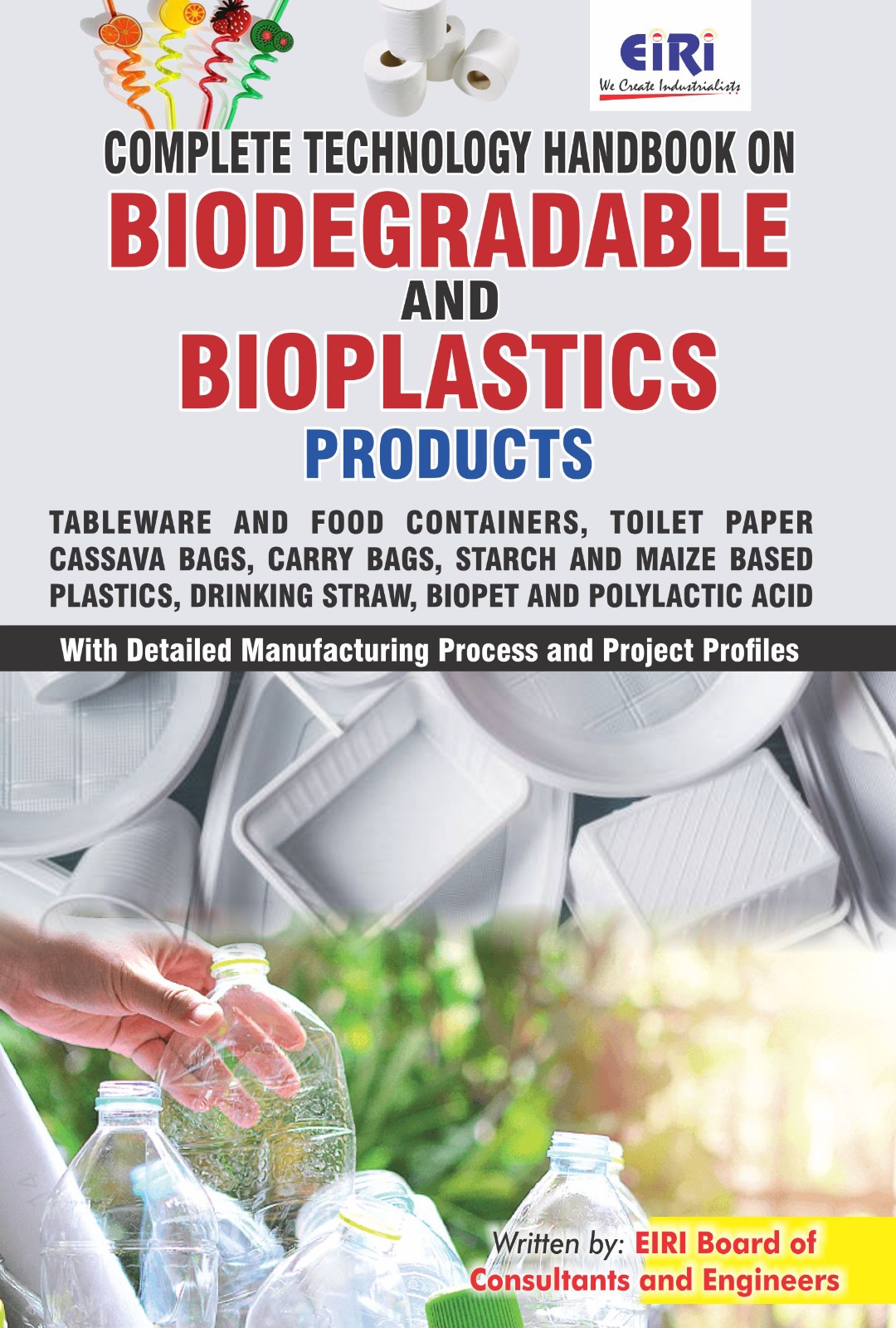
The category's standout opportunity is covered in the complete technology handbook on biodegradable and bioplastics products — tableware and food containers, toilet paper, cassava bags, carry bags, BioPET and polylactic acid — with detailed manufacturing process and project profiles. Biodegradable tableware and carry bags are among the most searched-for new manufacturing ideas precisely because plastic bans have created a ready market for substitutes.
For the broader science and its industrial applications, the handbook of biotechnology covers the techniques and processes that underpin environmental, animal and industrial biotechnology.
The bioplastics handbook covers the raw materials — including plant-based feedstocks such as cassava and polylactic acid — the manufacturing process for each product type, the plant and machinery involved, and project profiles that indicate the shape of the investment. The biotechnology handbook covers the underlying techniques and their applications across environmental and animal biotechnology, giving the technical grounding needed to evaluate a biotech venture.
Biodegradable and compostable products are often subject to standards and certification that verify their environmental claims, and these can be important for market access, particularly where products are sold as alternatives to banned plastics. Manufacturing units require standard business registrations and, depending on the process, environmental clearances. Confirm the applicable product standards and licensing for your location before investing.
It is one of the more promising new manufacturing categories, because restrictions on single-use plastics in many countries have created demand for alternatives such as biodegradable tableware, cassava bags and carry bags faster than supply has developed. Viability still depends on raw material access, process cost and local market demand, which the handbook helps you assess.
Bioplastics use plant-based and biodegradable feedstocks such as cassava starch and polylactic acid, among others. The bioplastics handbook sets out the raw materials for each product type, including tableware, food containers and carry bags.
Often, yes. Biodegradable and compostable products are commonly subject to standards that verify their environmental claims, which can matter for market access where the product is sold as a plastic substitute. Confirm the applicable standards for your location.
Yes. The bioplastics handbook covers the plant and machinery for each product type and includes project profiles indicating the scale and shape of the investment, so you can plan before approaching suppliers or lenders.
Yes. Alongside these handbooks, EIRI prepares customised Detailed Project Reports for biodegradable products, bioplastics and biotechnology-based units, suitable for finance and scheme applications and matched to your capacity and location.
Browse the handbooks above to find the guide for your intended product. Each can be purchased and downloaded, or request a free sample to review the depth first. For bank-ready project reports or customised documentation, send us your requirement.
Speak with our experts and get personalized guidance for your manufacturing business idea, project planning, machinery selection, and investment strategy.