Chemicals are the hidden inputs to almost every other industry — paints, plastics, textiles, cosmetics, food, agriculture and construction all depend on them — which makes chemical manufacturing one of the broadest and most resilient sectors an entrepreneur can enter. The category spans everything from industrial and specialty chemicals to dyes and pigments, lubricating oils, printing inks, electroplating and petrochemicals. Many of these products substitute directly for imports, and formulated specialty chemicals in particular carry margins that reward technical know-how.
These handbooks cover the formulations, processes and technology across the chemical sector, prepared by EIRI's consultants with more than 45 years of industrial project experience, so an entrepreneur can understand a product thoroughly before investing.
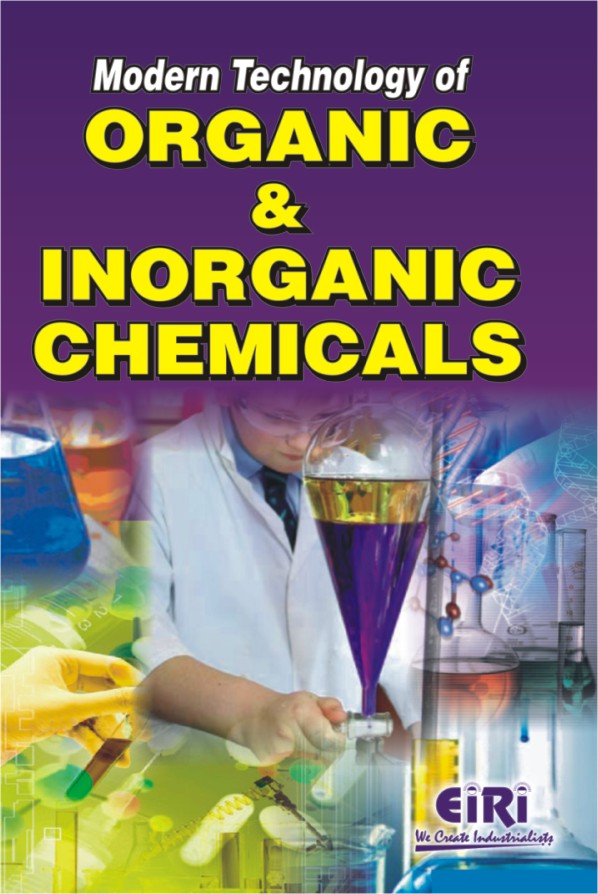
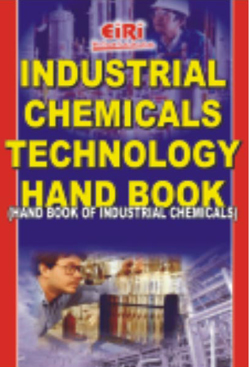
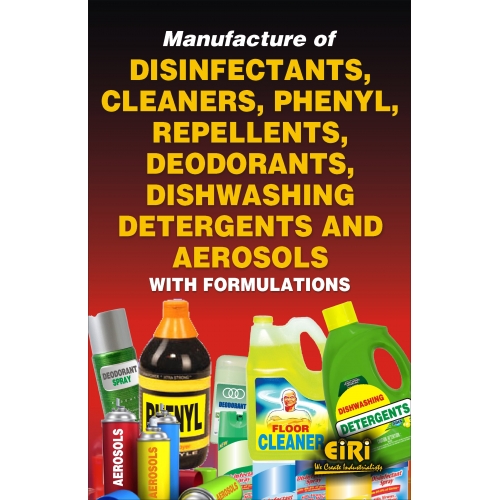
Industrial and specialty chemicals. Broad references include the industrial chemicals technology handbook, the modern technology of organic and inorganic chemicals, and small, medium and large chemical industries. For cleaning and household chemicals, see the guide to disinfectants, cleaners, phenyl, repellents, deodorants, dishwashing detergents and aerosols.
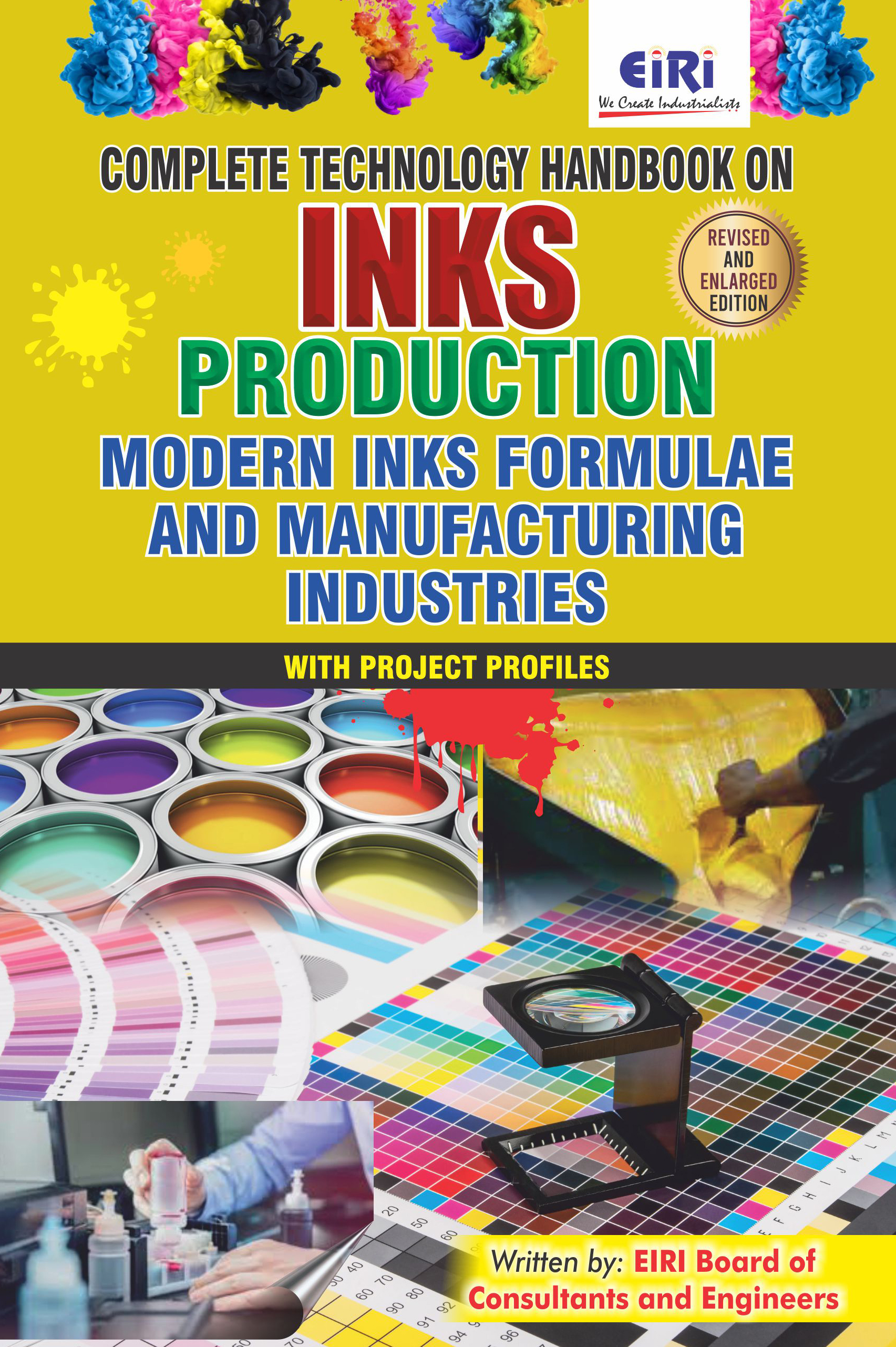
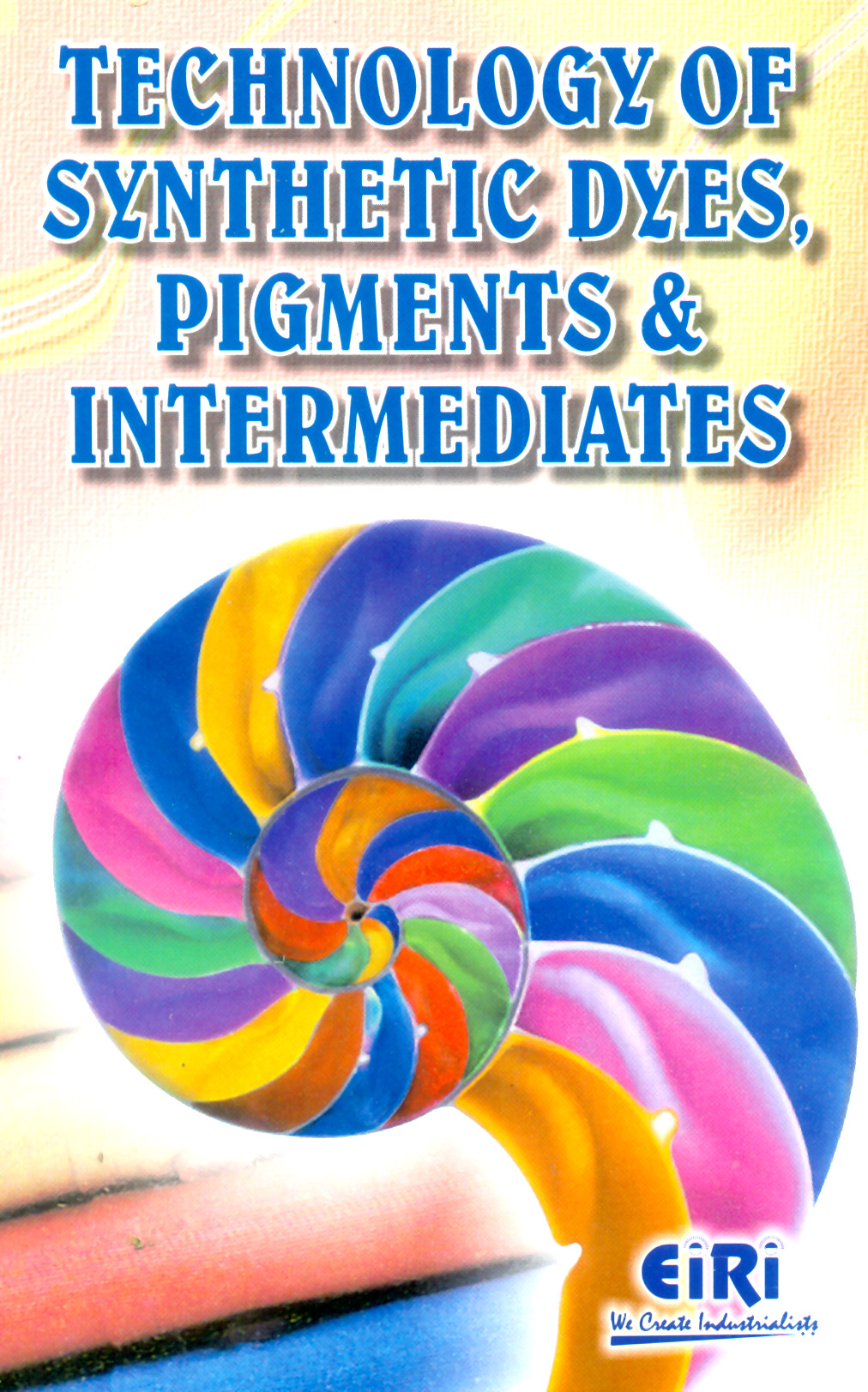
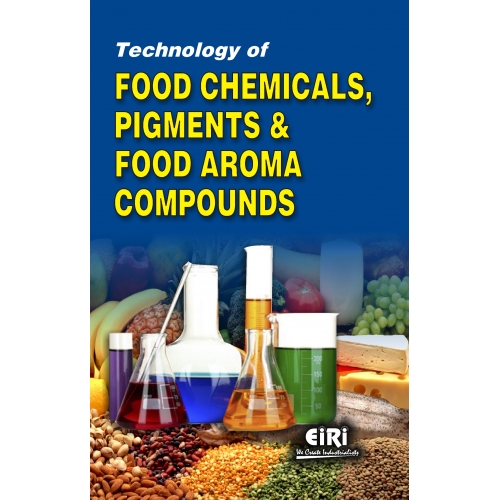
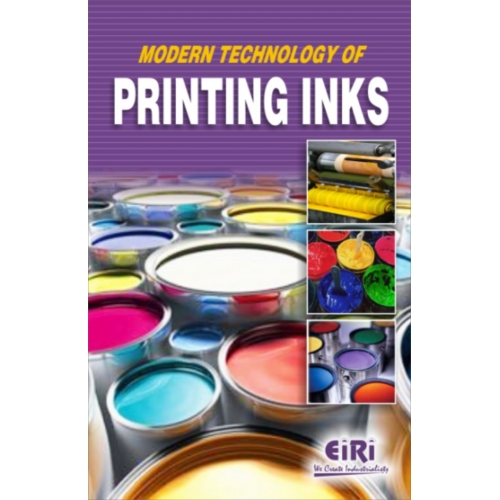
Dyes, pigments and inks. The category covers synthetic dyes, pigments and intermediates, applications of pigments including natural dyes and colourants, food chemicals, pigments and aroma compounds, and inks in both the inks production handbook and the modern technology of printing inks.
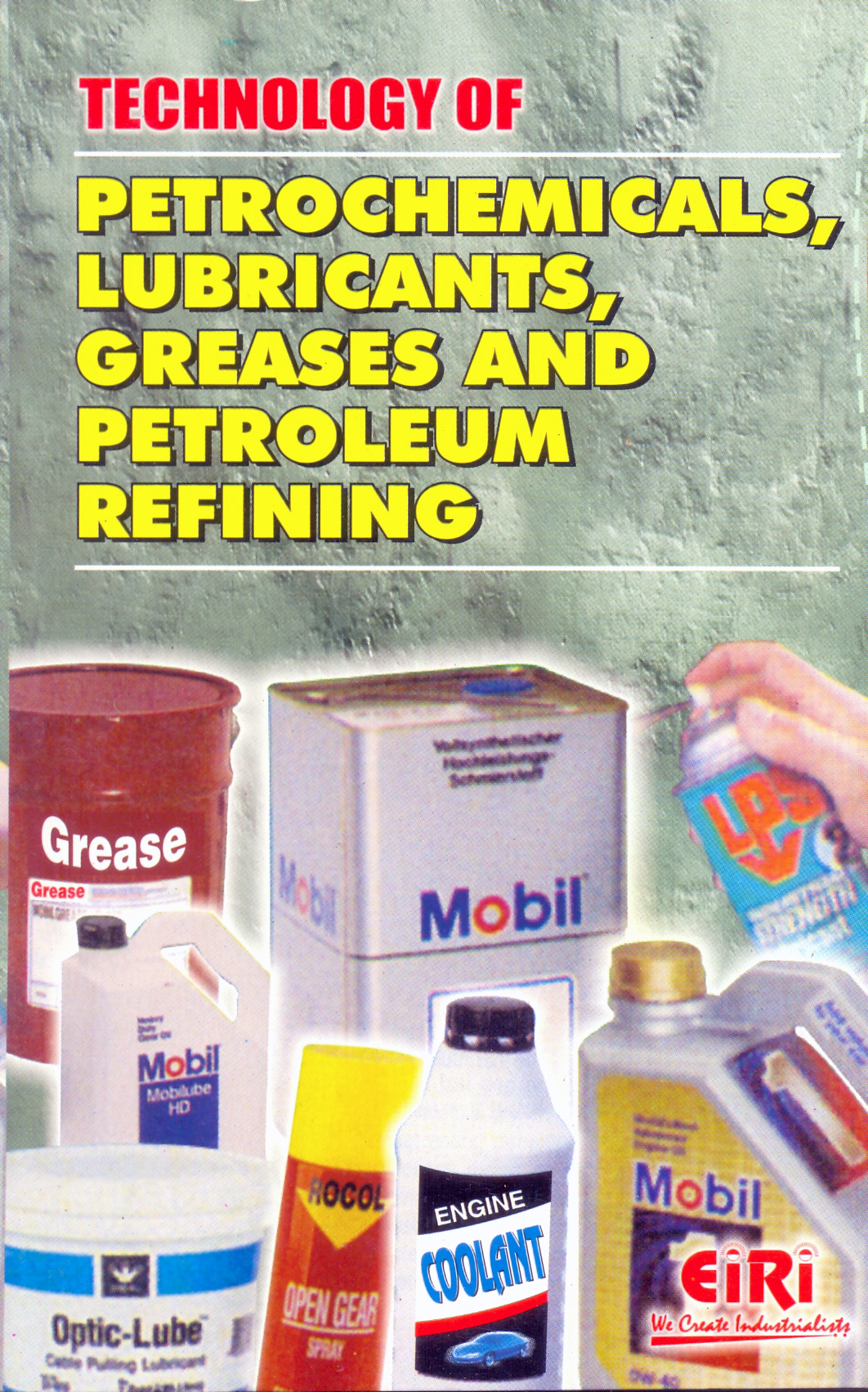
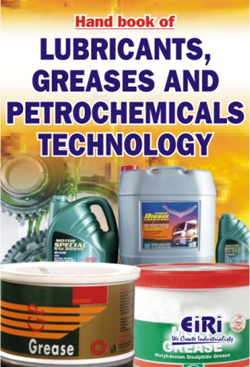
Lubricants, greases and petrochemicals. These include the handbook of lubricants, greases and petrochemicals, the complete technology of lubricating oils, additives and re-refining of used oil, lubrication, crude oil processing and petroleum refining catalysts, and the technology of petrochemicals, lubricants, greases and petroleum refining. Re-refining used lubricating oil is a notable circular-economy opportunity within this group.
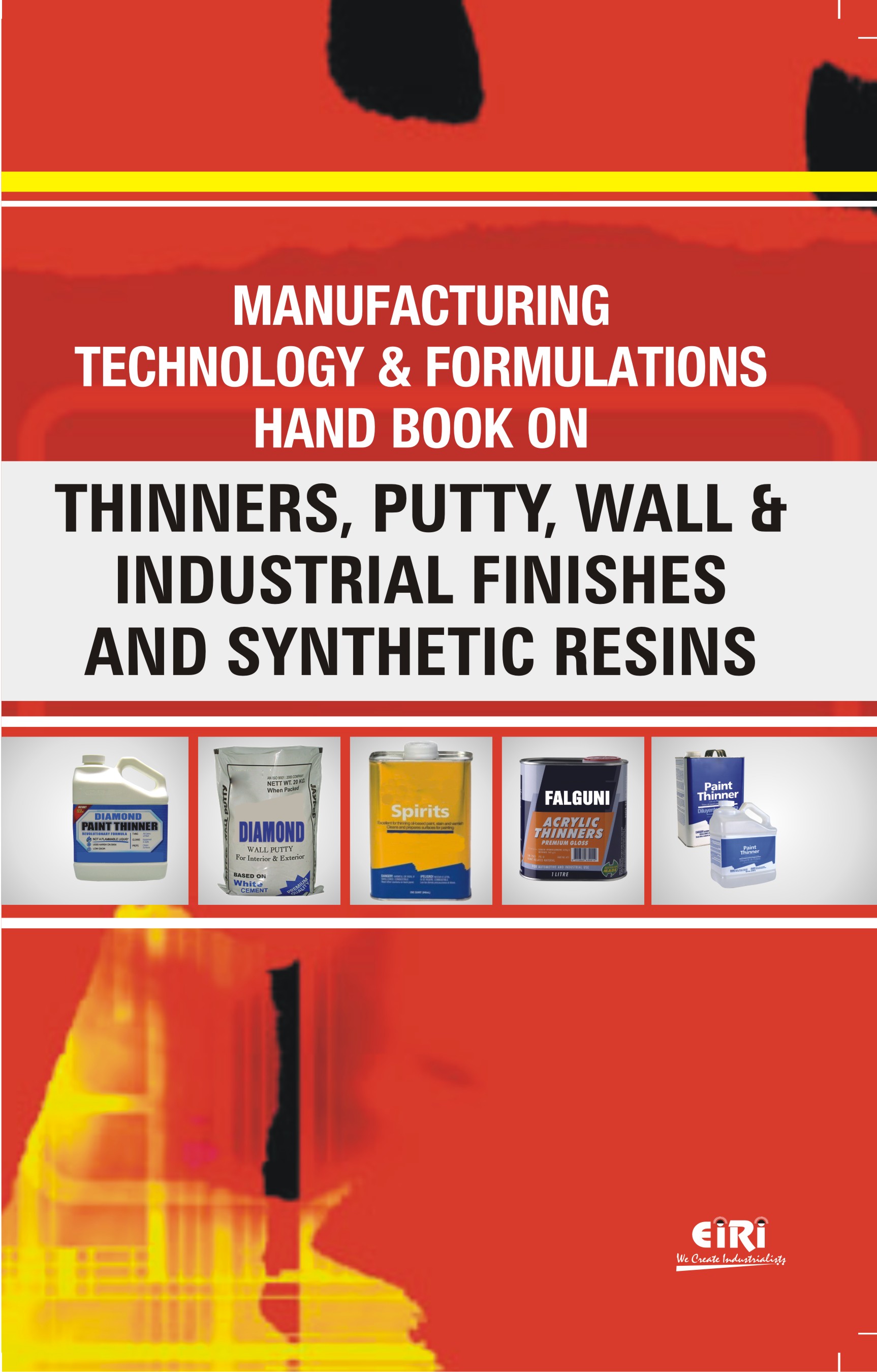
Coatings, resins and surface finishing. The category also covers paint technology including acrylic emulsion, powder coating and PU coatings, thinners, putty, wall and industrial finishes and synthetic resins, synthetic resins and emulsion polymers, wax and polishes, and electroplating, anodizing and surface finishing.
Agro and energy chemicals. Related opportunities include agro-chemical industries, insecticides and pesticides, biogas production, chemicals from biomass and biofuels, and non-ferrous metals and metal extraction.
Each handbook covers the raw materials, formulations, reaction or processing steps, plant and machinery, and quality parameters for its product group. Chemical manufacturing is technically demanding and safety-sensitive, and these guides provide the process detail needed to specify equipment, plan production and produce to a consistent standard.
Chemical manufacturing is one of the more heavily regulated sectors. Depending on the product, requirements can include environmental clearance, pollution-control board consent, hazardous-materials handling approvals, and specific licences for agro-chemicals, petroleum products and certain industrial chemicals. Safety and effluent compliance are integral rather than optional. Confirm the full regulatory pathway for your specific product and location before investing.
Formulated products such as cleaning chemicals, polishes, paints and certain specialty chemicals are often more accessible entry points than heavy or hazardous chemical production, because they need less complex plant and carry healthy margins. The right choice depends on your capital, technical background and market, which the handbooks help you evaluate.
Re-refining used lubricating oil is a recognised circular-economy opportunity that recovers value from waste oil, and it is covered in the lubricating oils handbook. Viability depends on feedstock collection, process cost and the regulatory approvals required for handling used oil.
Yes. Formulations are central to this category, and the handbooks set out the recipes, raw materials and processes behind products including dyes, pigments, inks, lubricants, paints, resins and cleaning chemicals.
It depends on the product, but requirements commonly include environmental clearance, pollution-control consent, and hazardous-materials or product-specific approvals for agro-chemicals and petroleum products. Safety and effluent compliance are integral. Confirm the full pathway for your product and location before investing.
Yes. Alongside these handbooks, EIRI prepares customised Detailed Project Reports across the chemical sector — specialty chemicals, dyes, lubricants, coatings and more — suitable for finance and scheme applications and matched to your capacity and location.
Browse the handbooks above to find the guide for your intended product. Each can be purchased and downloaded, or request a free sample to review the depth first. For bank-ready project reports or customised documentation, send us your requirement.
Speak with our experts and get personalized guidance for your manufacturing business idea, project planning, machinery selection, and investment strategy.






.jpeg)