Cold storage sits at a structural gap in almost every developing economy: large volumes of food are grown, but a significant share is lost after harvest for want of proper cold chain. That gap is the opportunity. A cold storage unit is infrastructure that earns from other people's produce, while frozen food processing turns perishable raw material into higher-value, longer-life products. Both benefit from rising demand for processed and convenience foods and from government support for reducing post-harvest loss.
These handbooks cover cold storage and frozen food technology, prepared by EIRI's consultants with more than 45 years of industrial project experience, so an entrepreneur can understand the operation and the economics before investing.
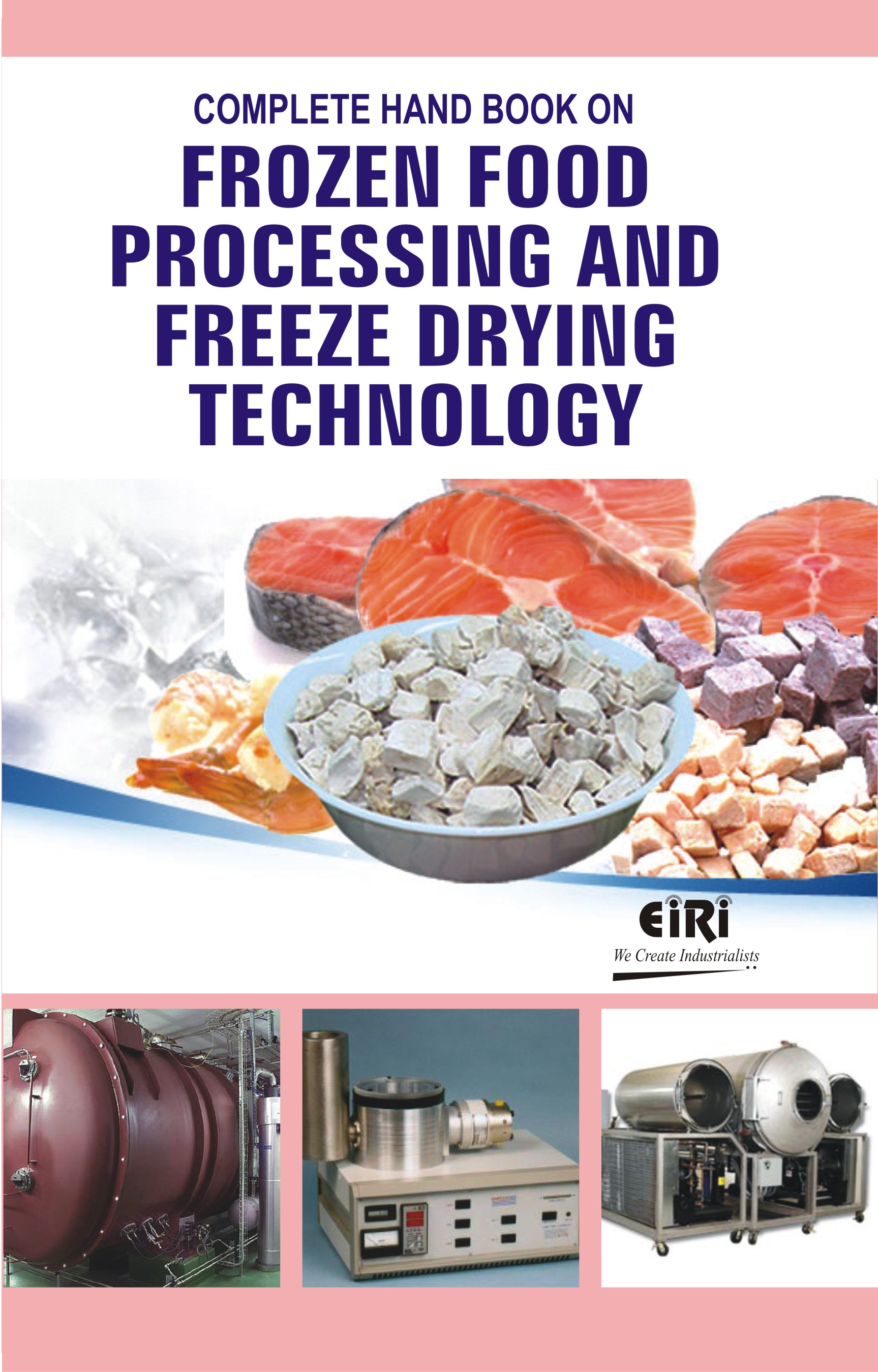
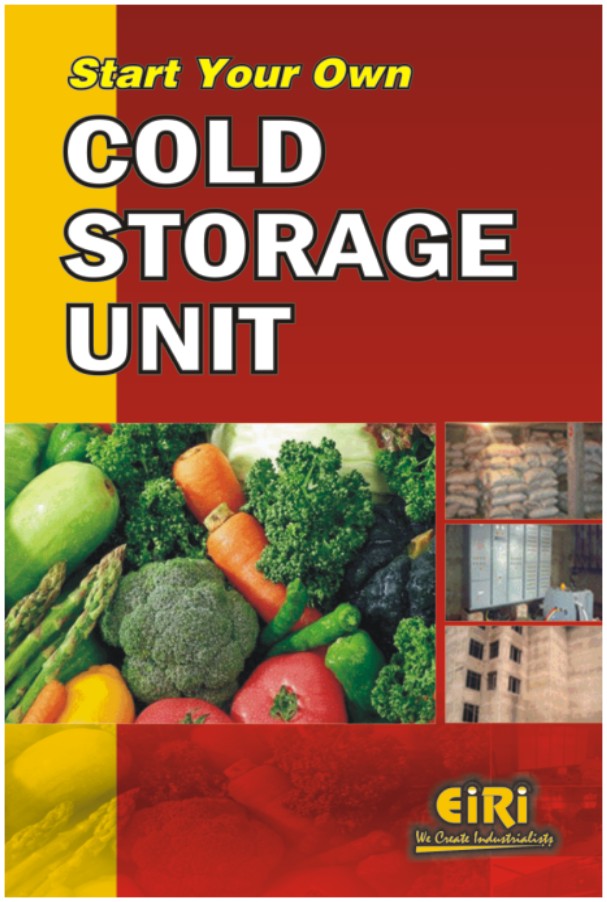
For the storage side, the start your own cold storage unit handbook (revised and enlarged edition) covers setting up and running a cold storage facility. On the processing side, the complete handbook on frozen food processing and freeze drying and the modern technology of frozen food products cover the methods for turning fresh produce into frozen and freeze-dried products.
The cold storage handbook covers facility design, refrigeration systems, capacity planning, operating requirements and the economics of a storage business. The frozen food handbooks cover the processing methods, freezing and freeze-drying technology, raw material handling, plant and machinery, and quality and shelf-life considerations. Together they address both the infrastructure play and the value-addition play within the cold chain.
Frozen food processing requires an FSSAI licence in India and equivalent food-safety approval elsewhere. Cold storage facilities require standard business registrations and must meet safety and refrigeration-handling requirements, and refrigerant regulations apply to the cooling systems used. Government schemes sometimes support cold chain infrastructure, which is worth checking for your location. Confirm the applicable licensing before investing.
Cold storage addresses a genuine gap in the food supply chain, since substantial produce is lost after harvest for lack of it. A well-located, well-utilised facility earns from storing other people's produce. Profitability depends on location, utilisation rate, energy cost and the mix of produce stored, which the handbook helps you plan.
Cold storage is an infrastructure business that preserves fresh produce at controlled temperature. Frozen food processing is a manufacturing business that converts fresh produce into frozen or freeze-dried products with longer shelf life and higher value. The handbooks cover both.
Significantly. Refrigeration is a major recurring cost, so energy pricing and reliability are central to the economics of both cold storage and frozen food processing. This should be modelled realistically at local tariffs rather than assumed.
In several countries, cold chain and post-harvest infrastructure attracts government support because it reduces food loss. Availability and terms vary, so check current schemes for your location. A detailed project report is usually required to apply.
Yes. Alongside these handbooks, EIRI prepares customised Detailed Project Reports for cold storage and frozen food units, suitable for bank finance and scheme applications and matched to your capacity and location.
Browse the handbooks above to find the guide for your intended venture. Each can be purchased and downloaded, or request a free sample to review the depth first. For bank-ready project reports or customised documentation, send us your requirement.
Speak with our experts and get personalized guidance for your manufacturing business idea, project planning, machinery selection, and investment strategy.