Some products are especially well suited to export — they travel well, meet standardised specifications, and command demand across multiple markets rather than depending on a single domestic economy. For an entrepreneur, building an export-oriented unit means designing the product, the quality standard and the packaging for international buyers from the outset, and it opens access to larger and often higher-value markets. This category brings together technology handbooks for the product groups that have proven export potential, from processed food and cosmetics to soaps, packaging, paints and engineered goods.
Each handbook is prepared by EIRI's consultants with more than 45 years of industrial project experience, covering the manufacturing process, formulations and project considerations for products with genuine export markets.
Getting started in export. The foundational guide is start your own export business (how to export), covering the mechanics of exporting for a new manufacturer.
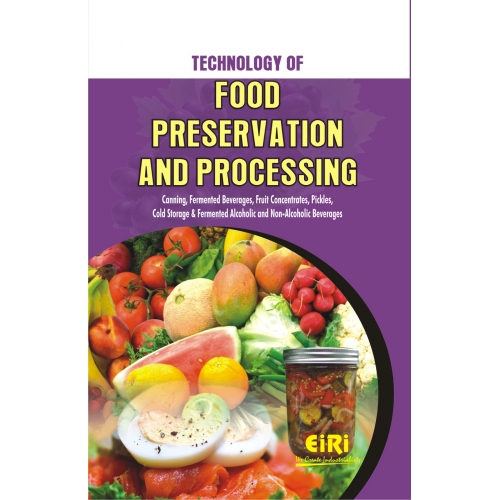
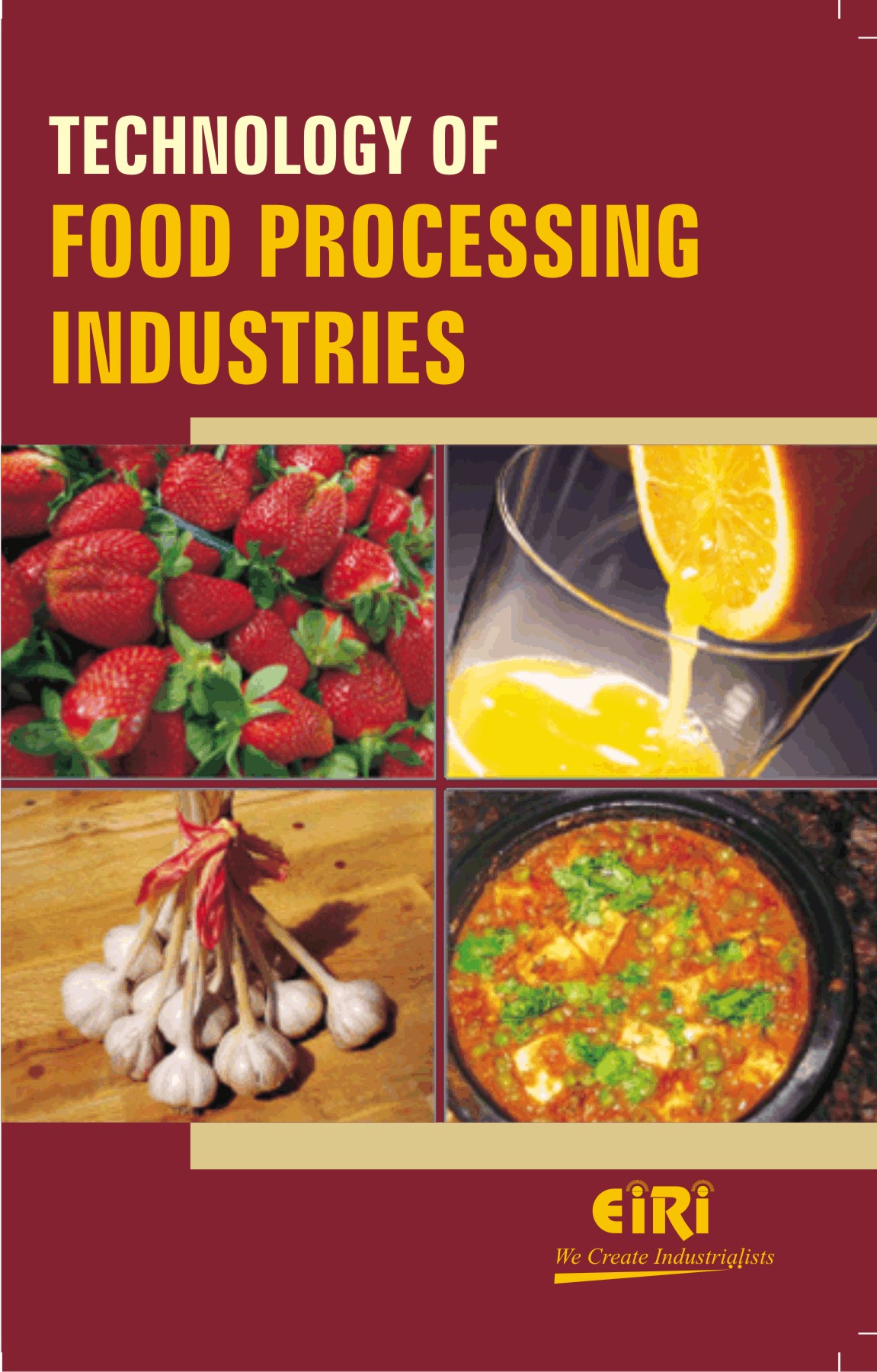
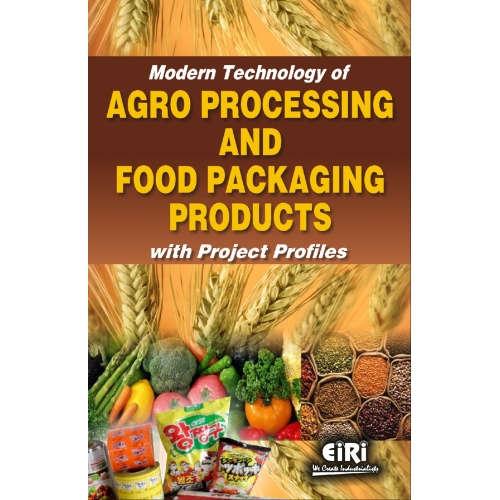
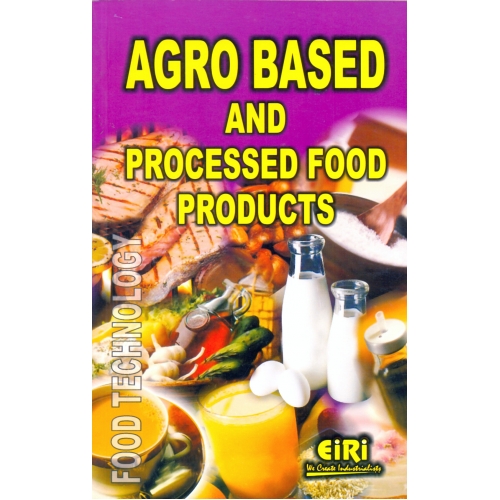
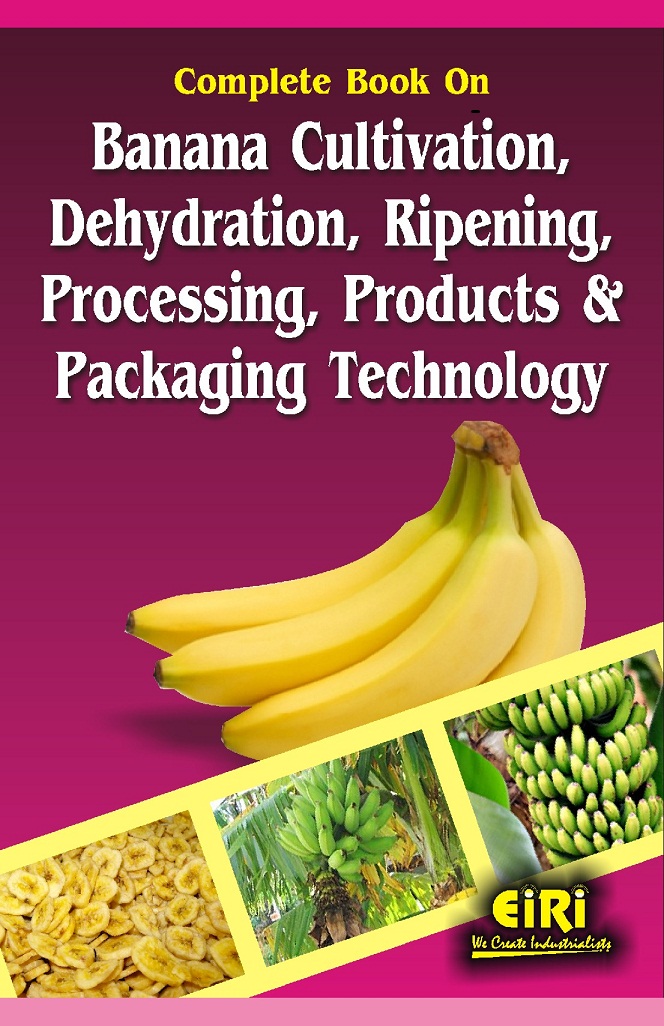
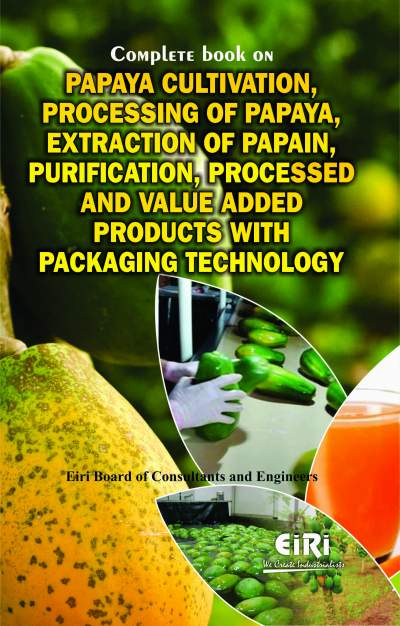
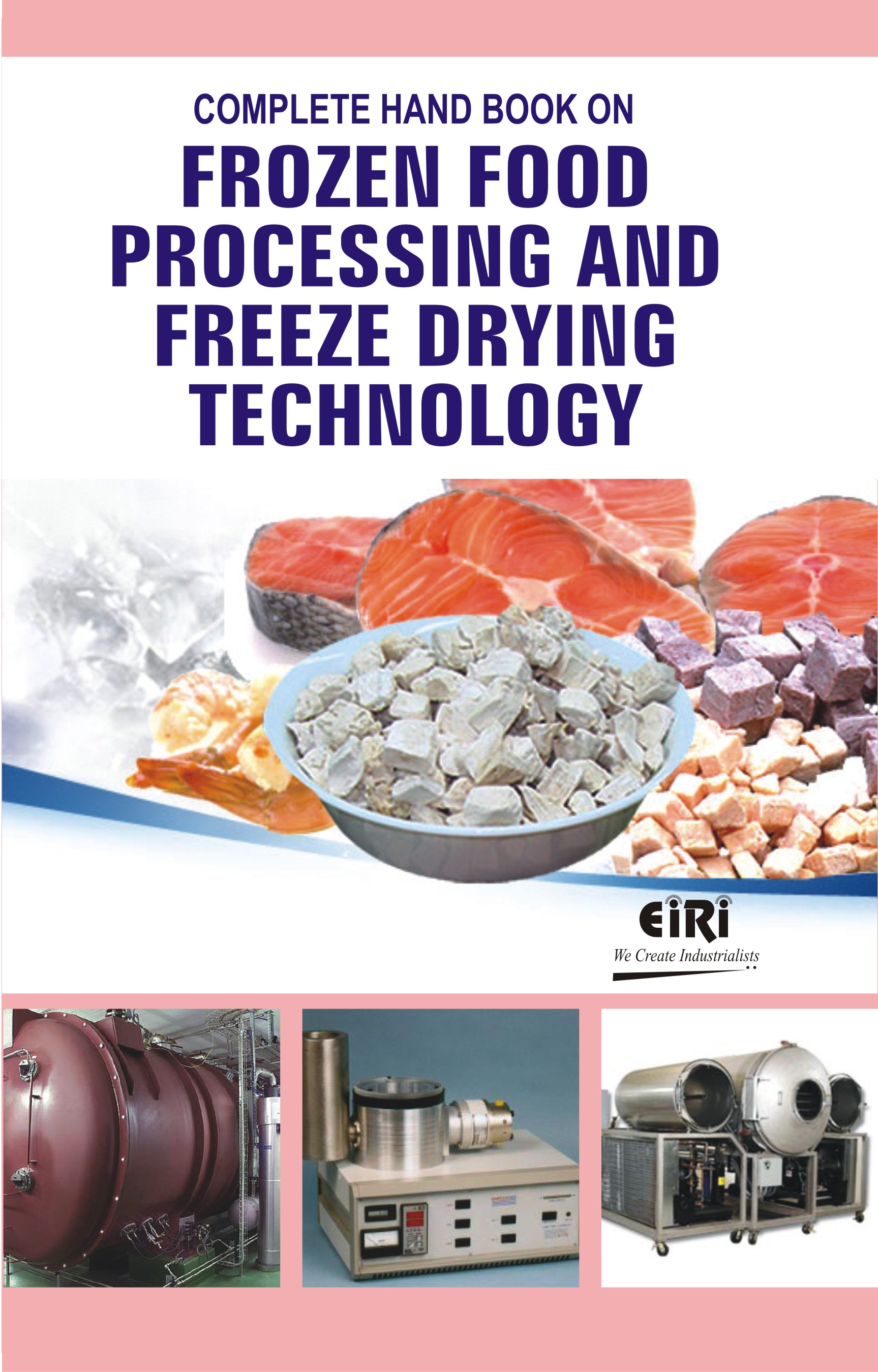
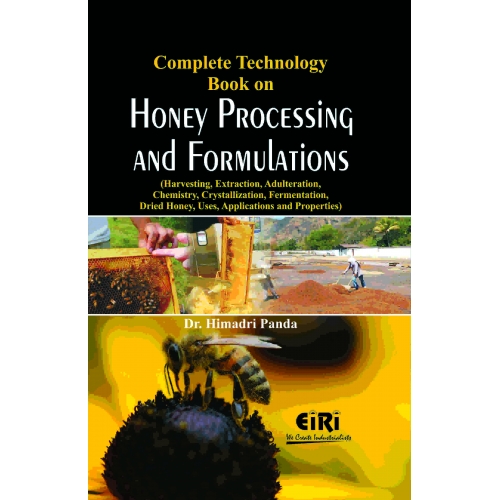
Food processing and agro-products. A large group covers food technology with canning, preservation and dehydration, food processing industries, food preservation and processing, fruits and vegetables processing, food dehydration and drying, tomato processing and dehydration, banana cultivation and processing, onion cultivation, dehydration and powder, papaya processing and papain extraction, ginger, garlic and onion products, spices, masala and condiments, honey processing, starch and allied products, agro-processing and food packaging, agro-based and processed food products, its e-book edition, frozen food processing and freeze drying, and water and packaged drinking water.
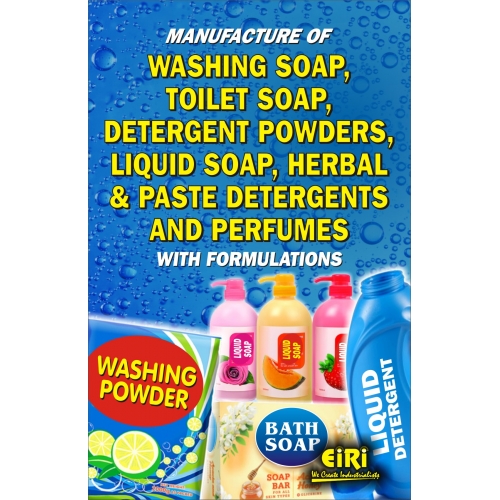
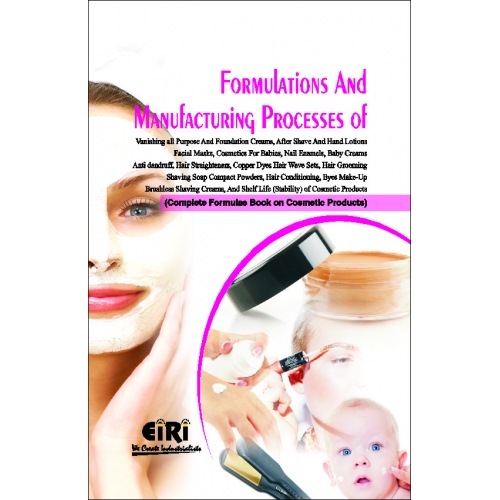
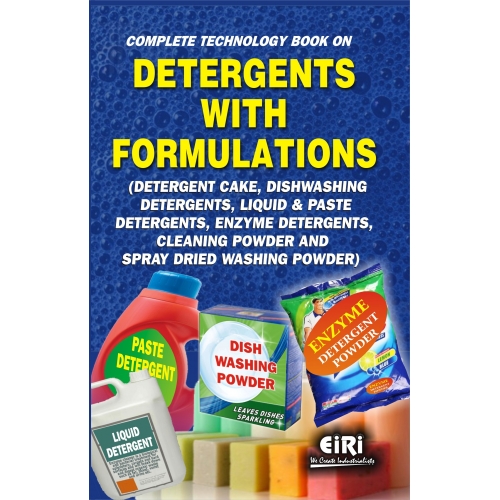
Cosmetics, soaps and personal care. This group covers the complete formulae book on cosmetic products, cleansing creams, baby products and face powders, home care products, washing soap, toilet soap, detergent powders and liquid soap, detergents with formulations, soaps, detergents, cleaners and fragrances, and disinfectants, cleaners and phenyl.
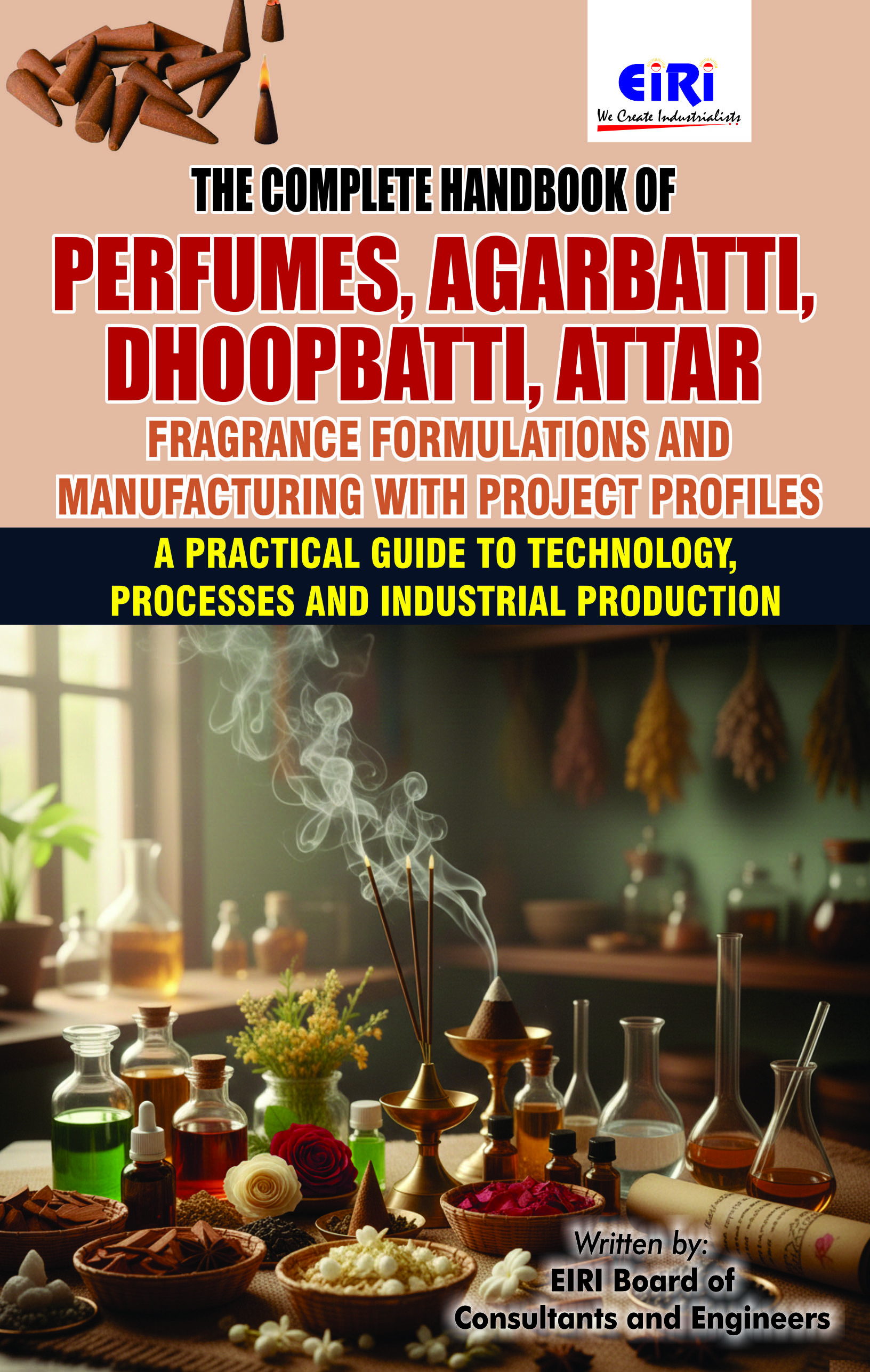
Perfumes, fragrances and polishes. These include perfumes, fragrances, scents and incense sticks (agarbatti), the complete handbook of perfumes, agarbatti, dhoopbatti and attar, perfumes and flavours with formulations, perfumes, flavours and essential oils, and wax and polishes.
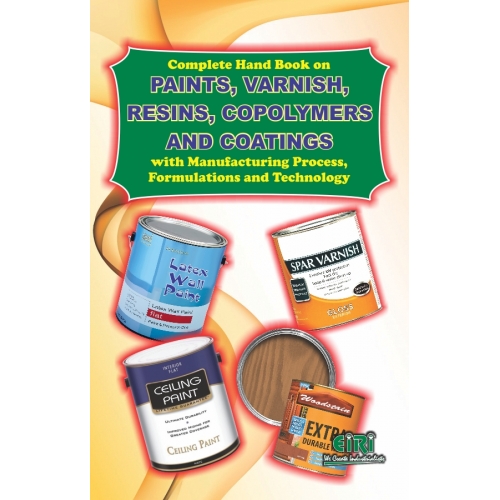
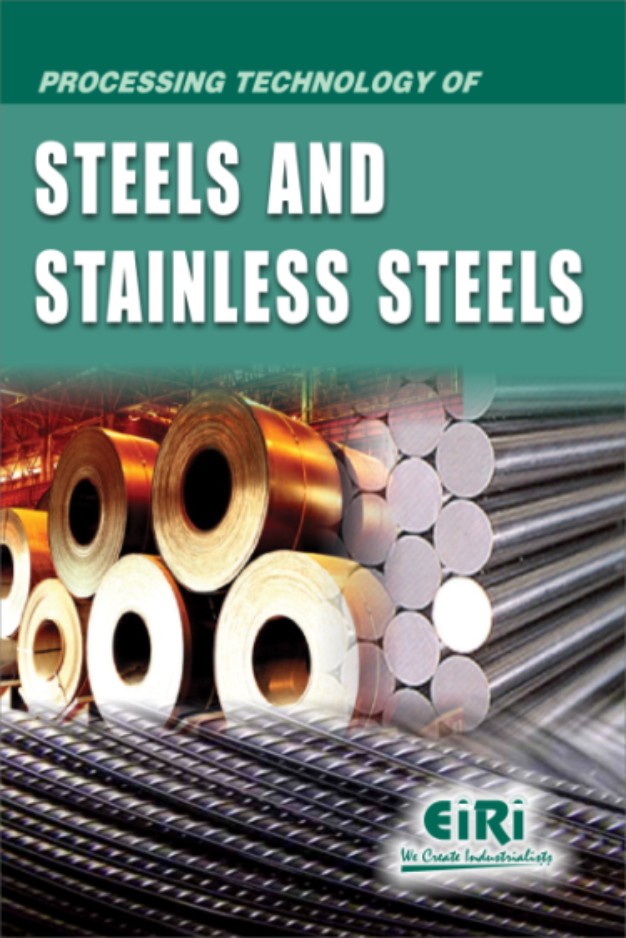
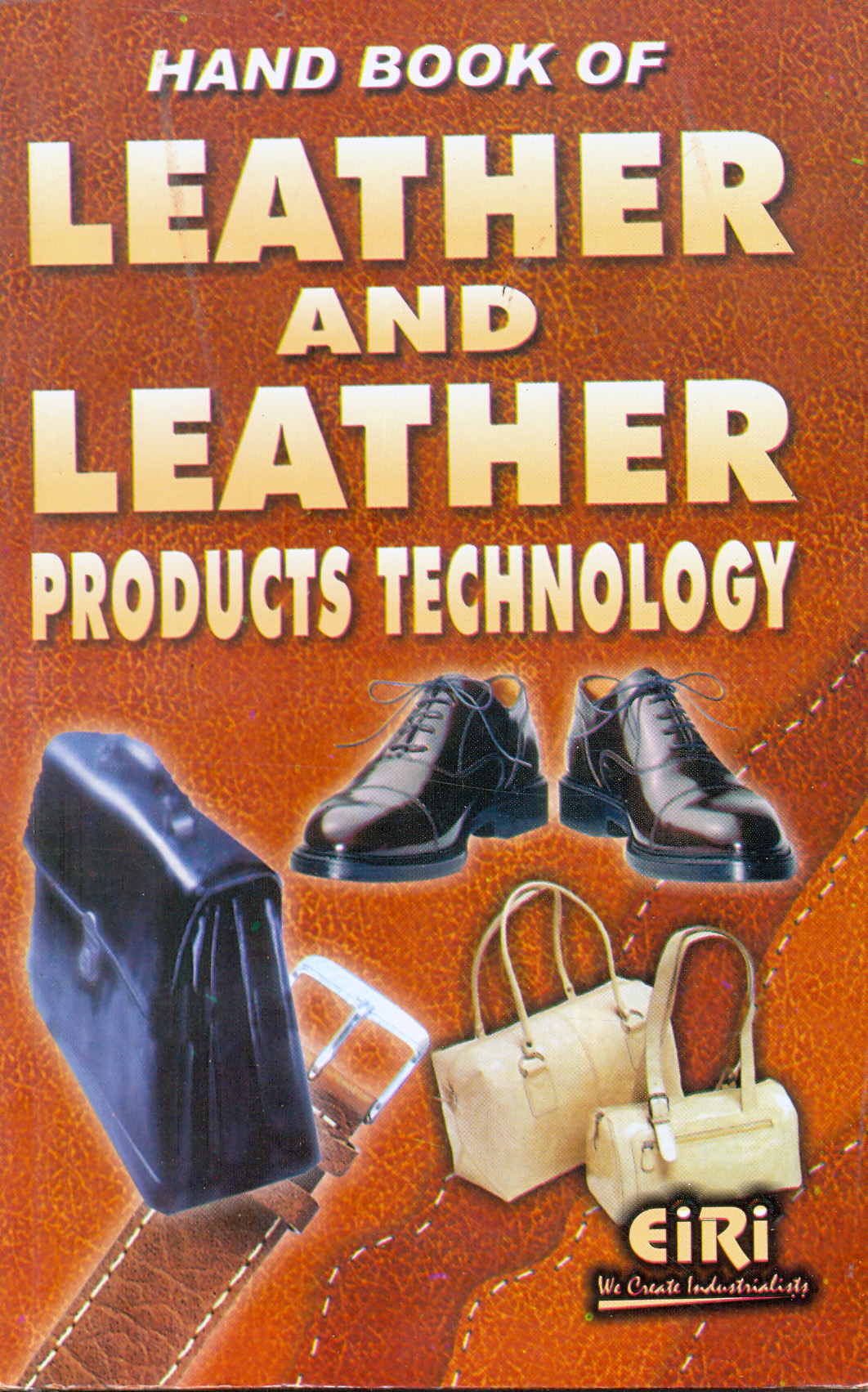
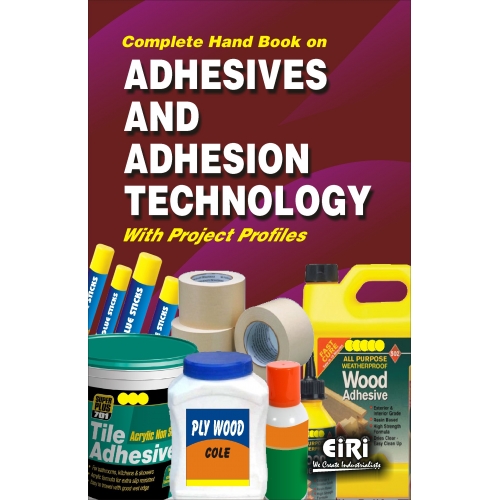
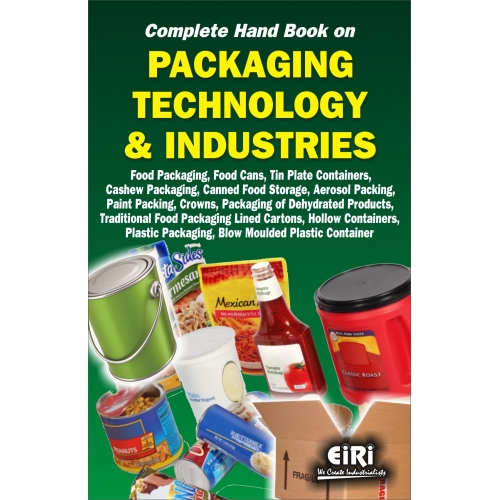
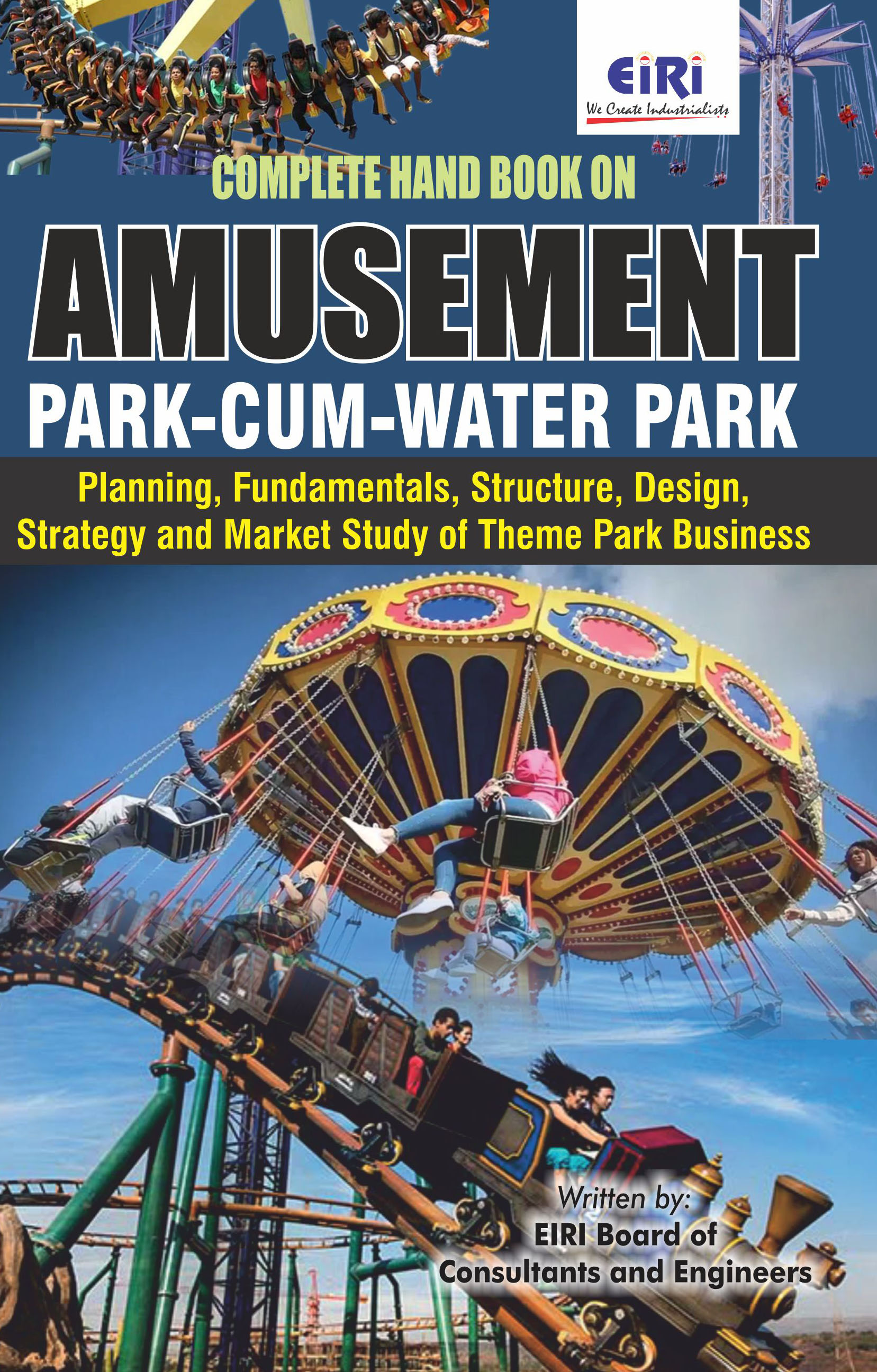
Packaging, paints and engineered goods. The category also covers packaging technology and industries, corrugated boxes and folding cartons, paints, varnish, resins and coatings, paint technology with formulations, leather and leather products, steels and stainless steels processing, and the complete handbook on amusement park-cum-water park.
Each handbook covers the manufacturing process, formulations, raw materials, plant and machinery and project considerations for its product group. Because these are export-oriented products, the handbooks provide the technical grounding to manufacture to consistent, saleable quality — the foundation for meeting international buyer specifications.
Export manufacturing carries two layers of requirement: the standard domestic licences for the product (FSSAI for food, cosmetics and drug approvals for personal care, environmental clearances for chemicals and metals), and the destination market's own import standards, which can be exacting. Registration as an exporter and compliance with export documentation and quality certification are integral. Confirm both the domestic and destination requirements for your product before investing.
Products that travel well, meet standardised international specifications and enjoy demand across multiple markets are best suited to export. Processed food, cosmetics, soaps, packaging, paints and certain engineered goods all have proven export markets. Designing for buyer specifications and quality standards from the outset is what makes an export unit work.
Yes. Exporting requires registration as an exporter and compliance with export documentation, along with the destination market's import standards and any required quality certification. The "how to export" handbook covers the mechanics for a new exporter.
Processed and dehydrated foods, soaps and detergents, incense and fragrance products, and packaging are common entry points because they combine steady demand with manageable production complexity. The right choice depends on your raw-material access and target market, which the handbooks help you evaluate.
Yes, and this is critical. Beyond domestic licensing, exported goods must meet the importing country's standards, which for food and cosmetics can be exacting. Building compliance into product design from the start is far cheaper than retrofitting it.
Yes. Alongside these handbooks, EIRI prepares customised Detailed Project Reports for export-oriented manufacturing units across food, cosmetics, packaging and other sectors, suitable for finance and scheme applications and matched to your capacity and location.
Browse the handbooks above to find the guide for your intended product. Each can be purchased and downloaded, or request a free sample to review the depth first. For bank-ready project reports or customised documentation, send us your requirement.
Speak with our experts and get personalized guidance for your manufacturing business idea, project planning, machinery selection, and investment strategy.
.jpg)