Food processing is the largest and most accessible manufacturing sector for entrepreneurs almost everywhere, and for good reason: everyone eats, demand is steady and non-seasonal, raw materials are locally available, and units can be built at almost any scale. Across South Asia and Africa there is a persistent gap between what is grown and what is processed — a large share of produce is lost after harvest or exported raw — and closing that gap is exactly where the opportunity lies. Whether the plan is grain milling, fruit and vegetable processing, snacks, dairy, spices or packaged foods, success comes from knowing the process, the formulations and the economics.
This is EIRI's deepest category of technology handbooks, each prepared by consultants with more than 45 years of industrial project experience, written for people who intend to build a real food-processing operation.
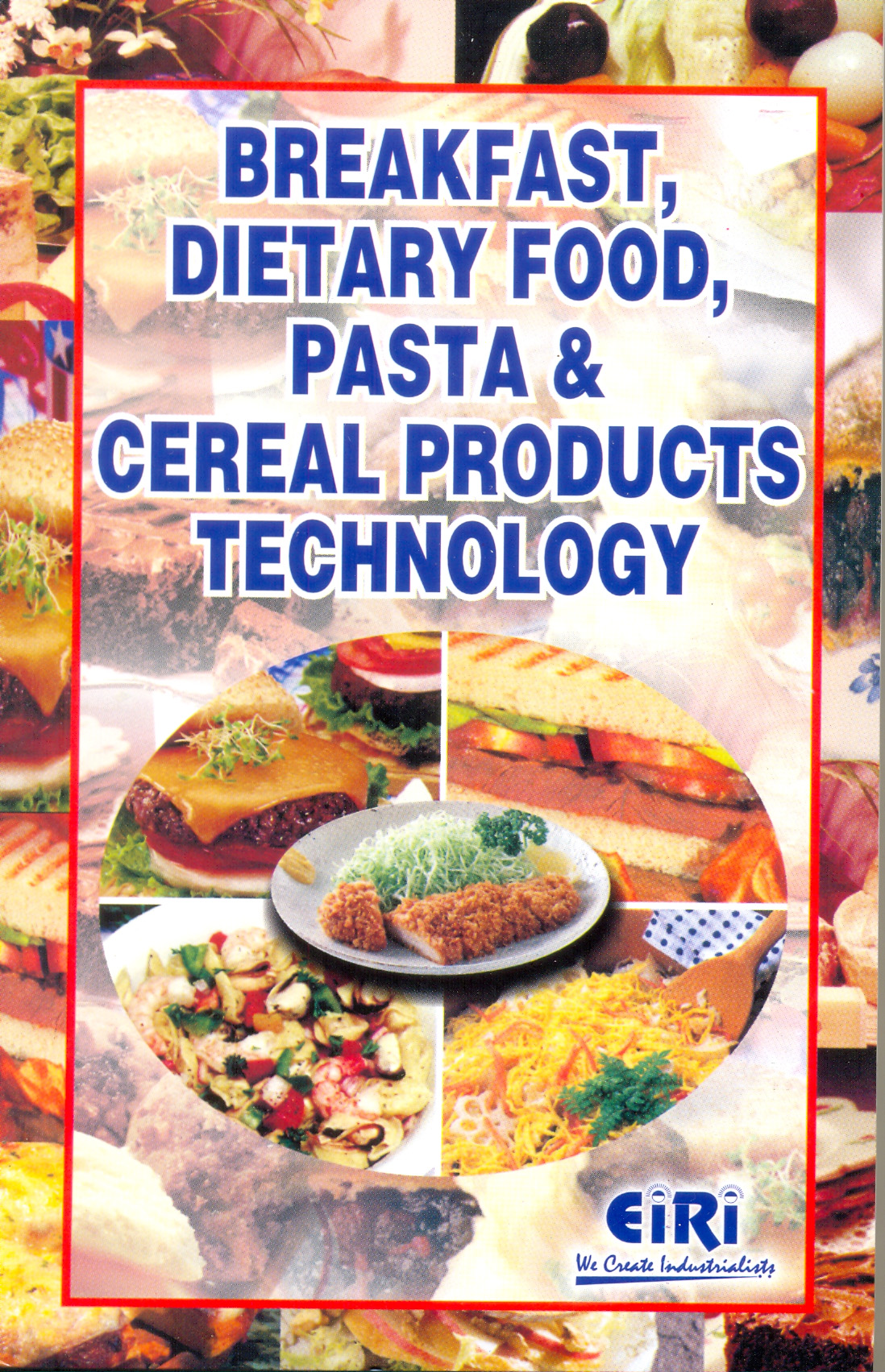
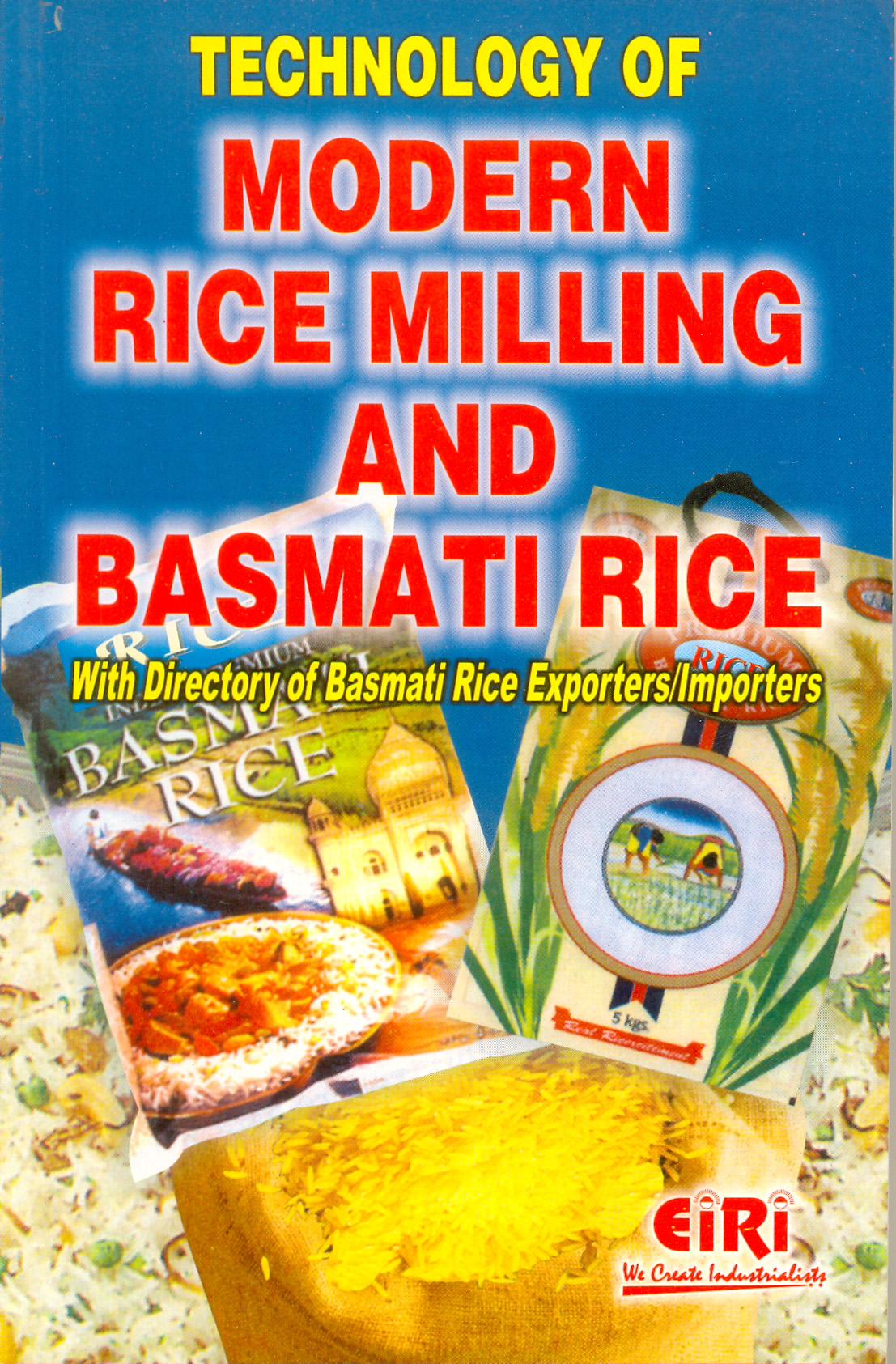
Grain, cereal and pulse processing. The category covers modern rice milling and basmati rice, a pulses (dall) mill unit, breakfast, dietary food, pasta and cereal products, modern bakery technology and fermented cereal products, and starch and allied products.
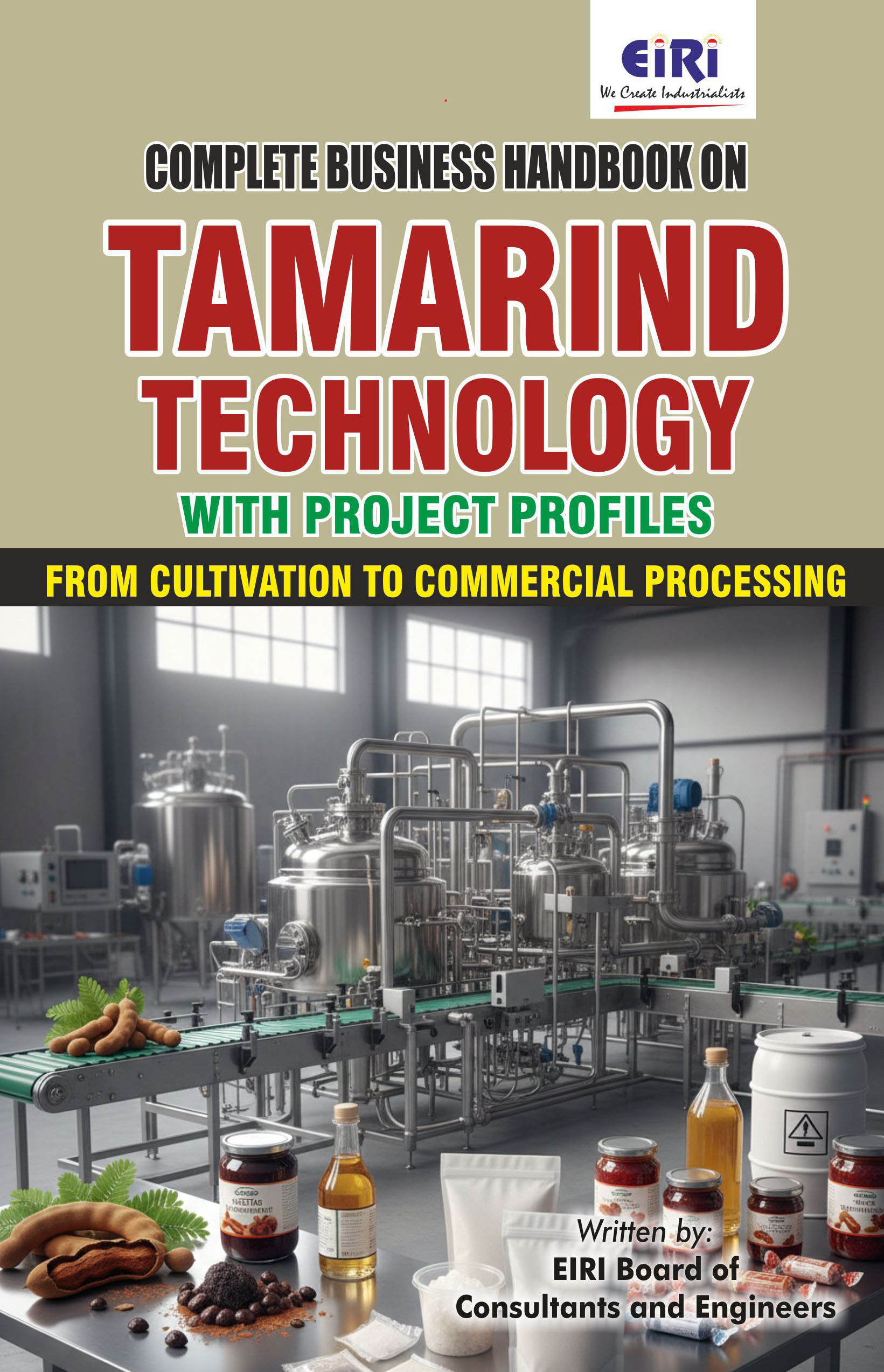
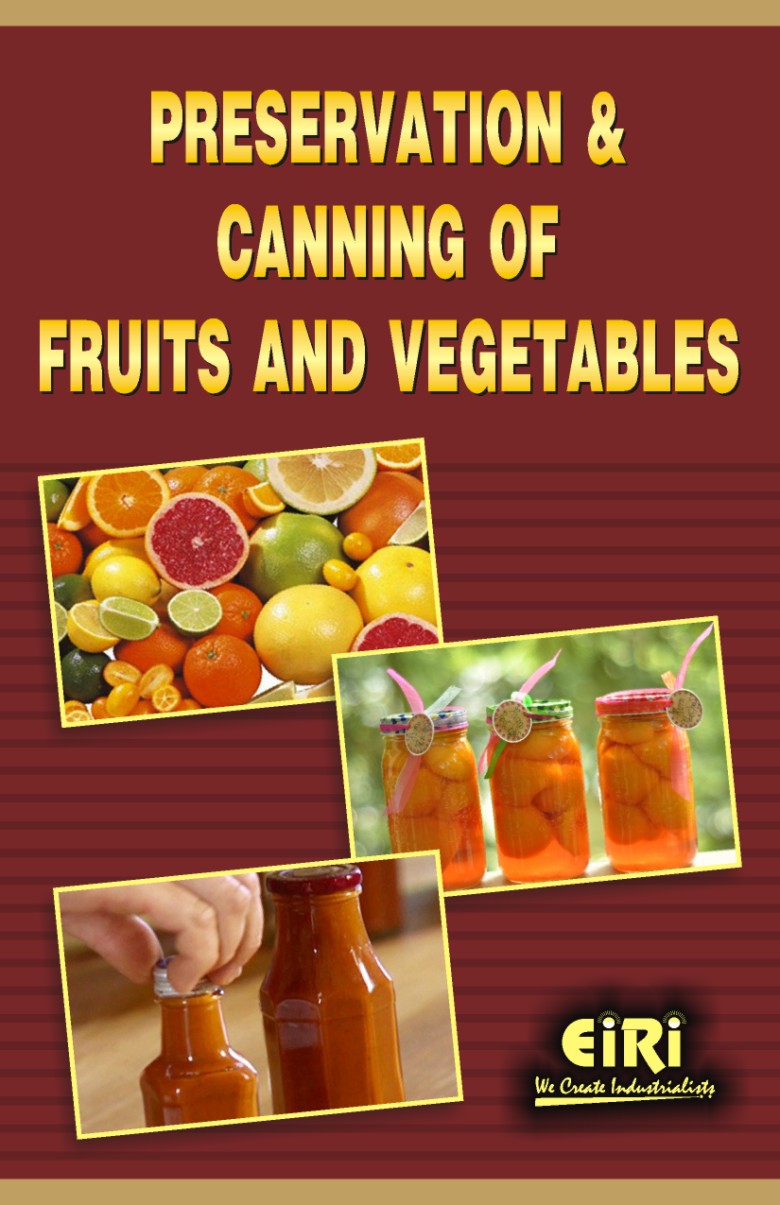
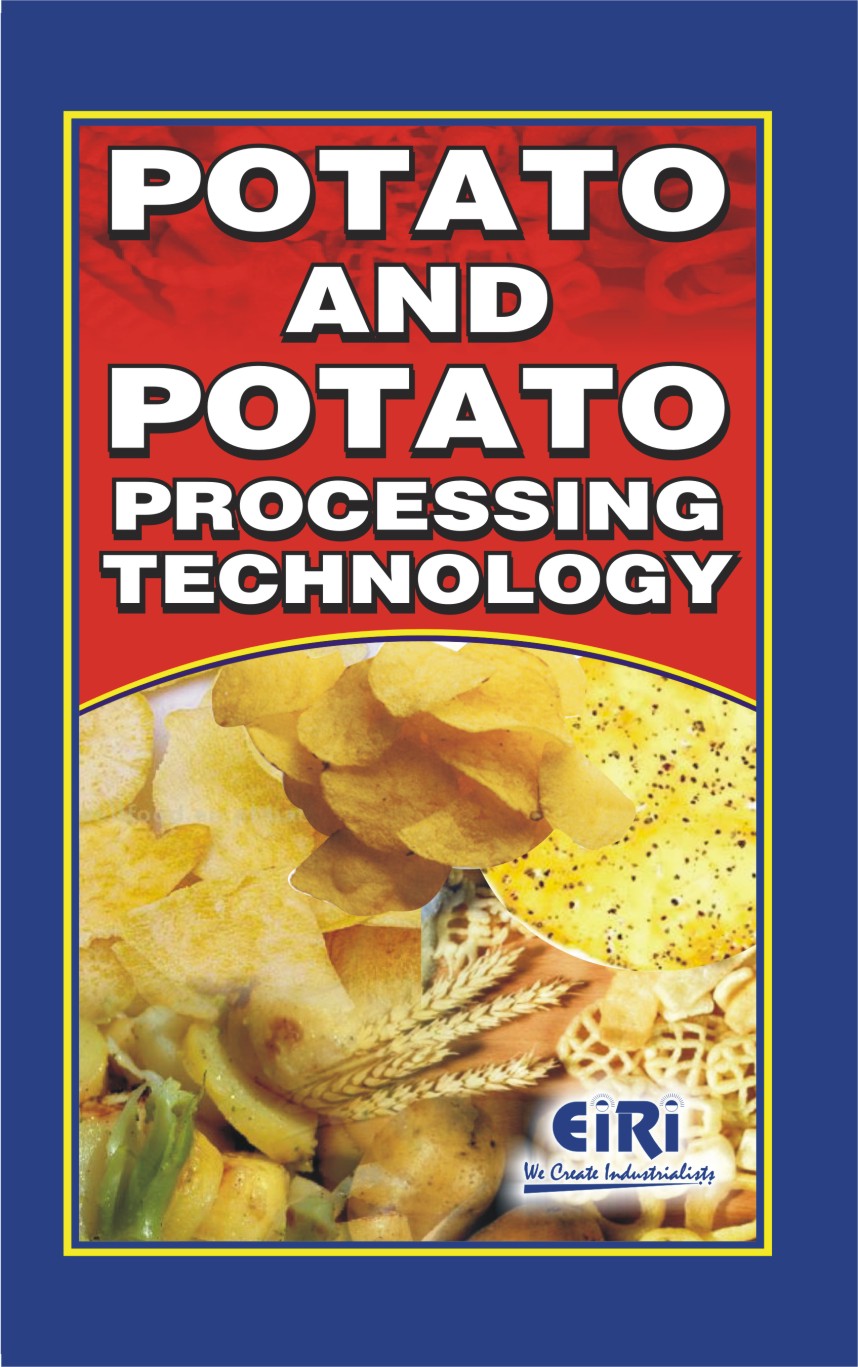
Fruit and vegetable processing. These include fruits and vegetables processing, preservation and canning of fruits and vegetables, tomato processing and dehydration, banana processing, onion dehydration, flakes and powder, papaya processing and papain extraction, potato processing, fruit beverages and mango products, food dehydration and drying, and the tamarind technology handbook.
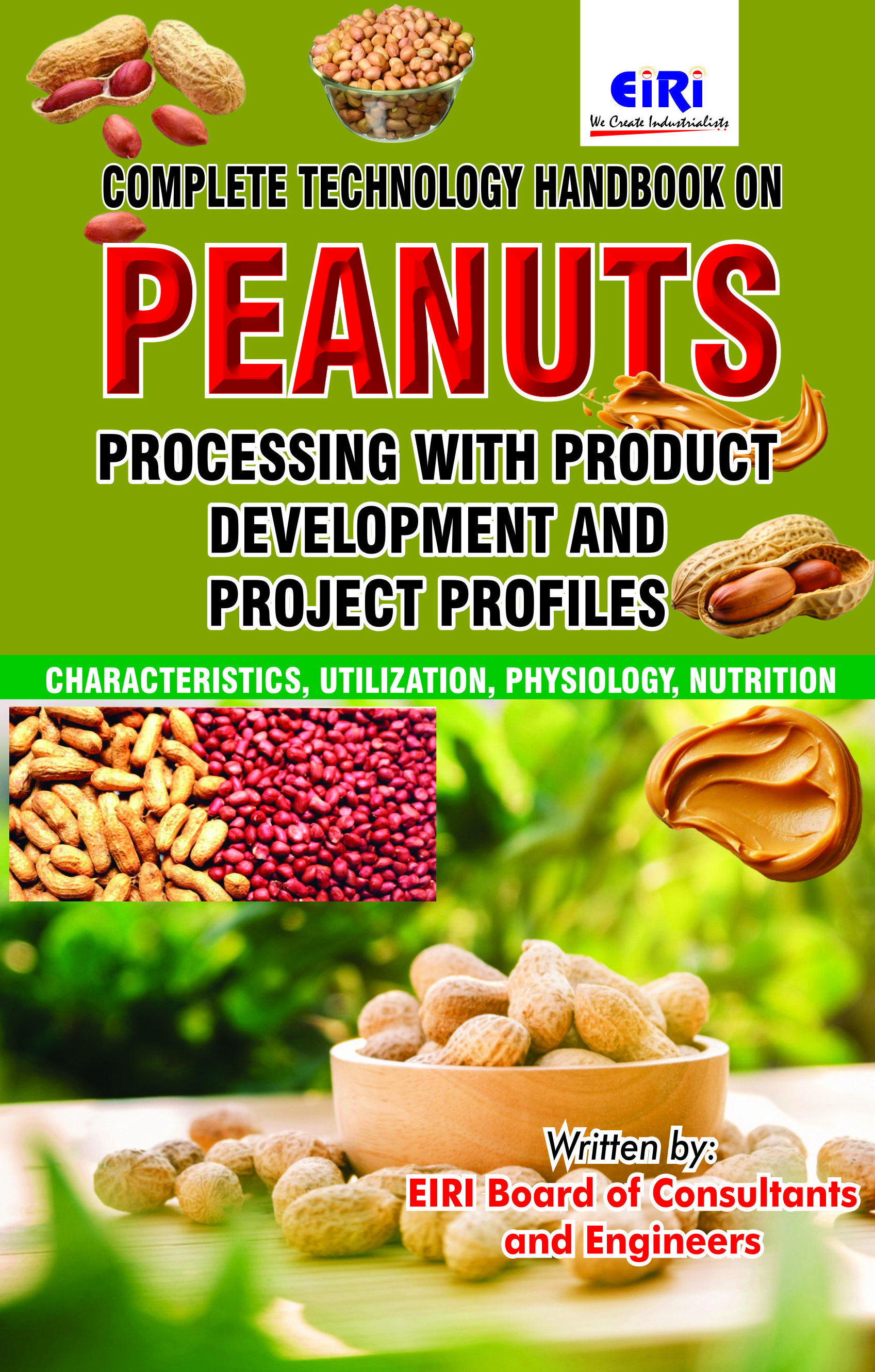
Spices, condiments and specialty crops. These include spices and seasoning with formulae, ginger, garlic and onion products, coconut and coconut products, peanuts processing, cashew nut shell liquid (CNSL) derivatives, and both beekeeping and honey products and honey processing and formulations.
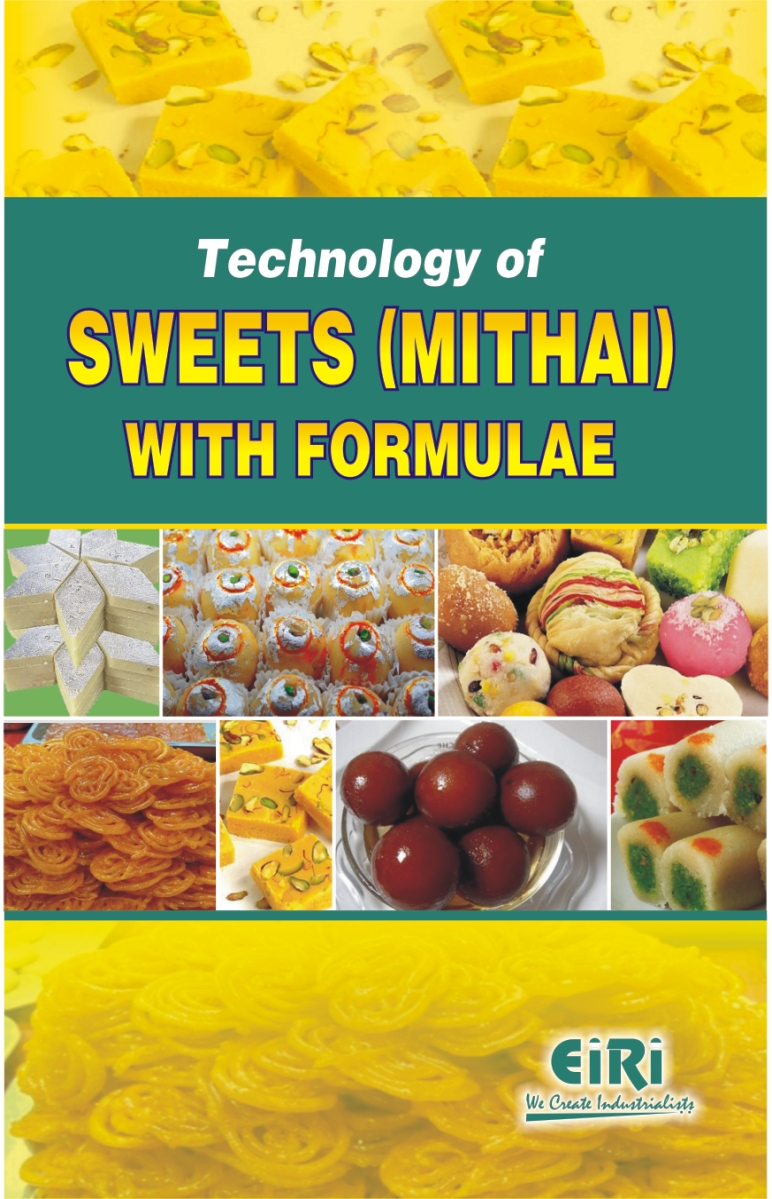
Soya, snacks, sweets and confectionery. These include soybean products, soya milk, tofu and allied products, snacks, namkeen, pappad and potato products, sweets (mithai) with formulae, sweets, namkeen and snacks food, and confectionery, chocolates and candy.
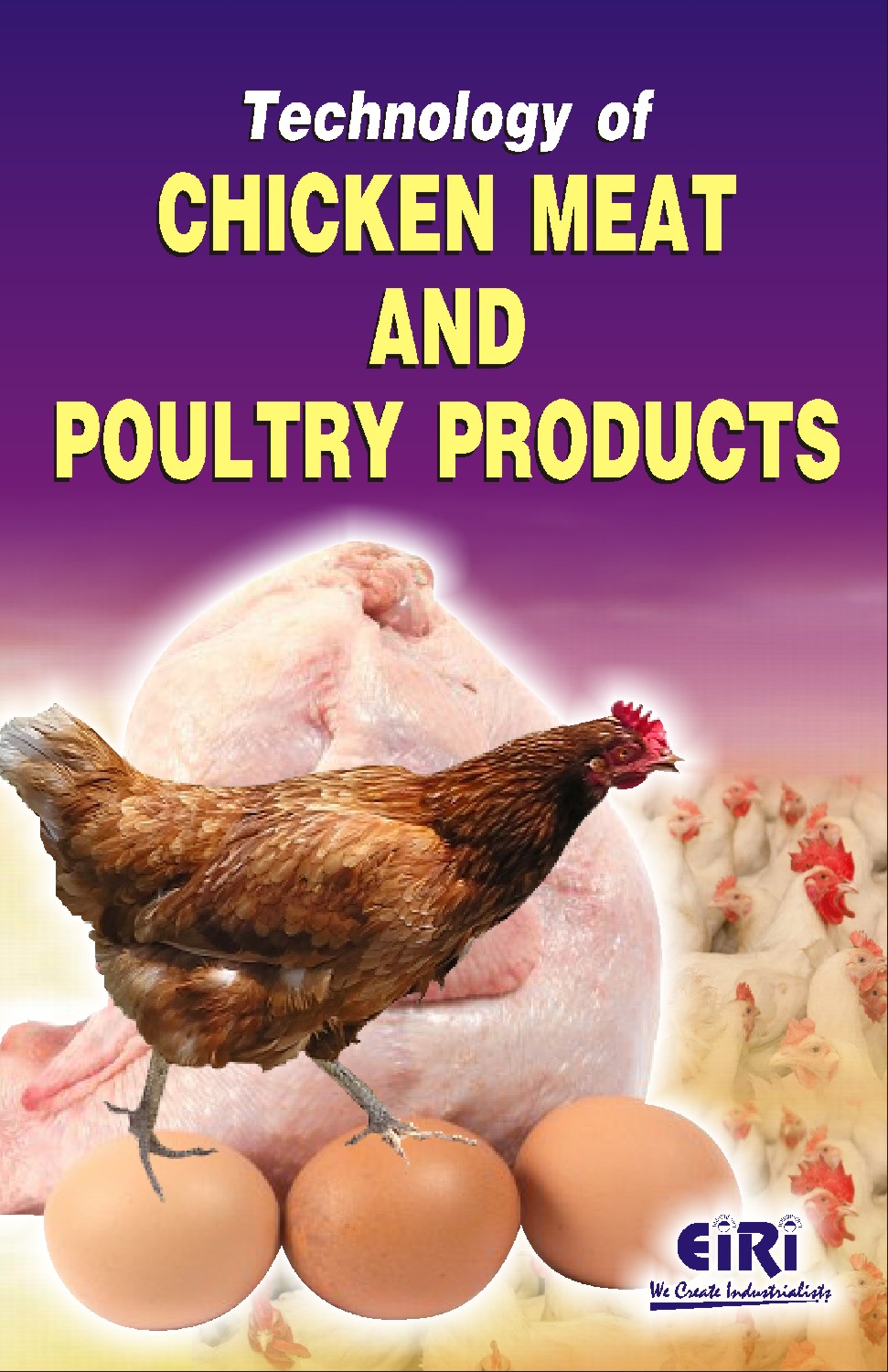
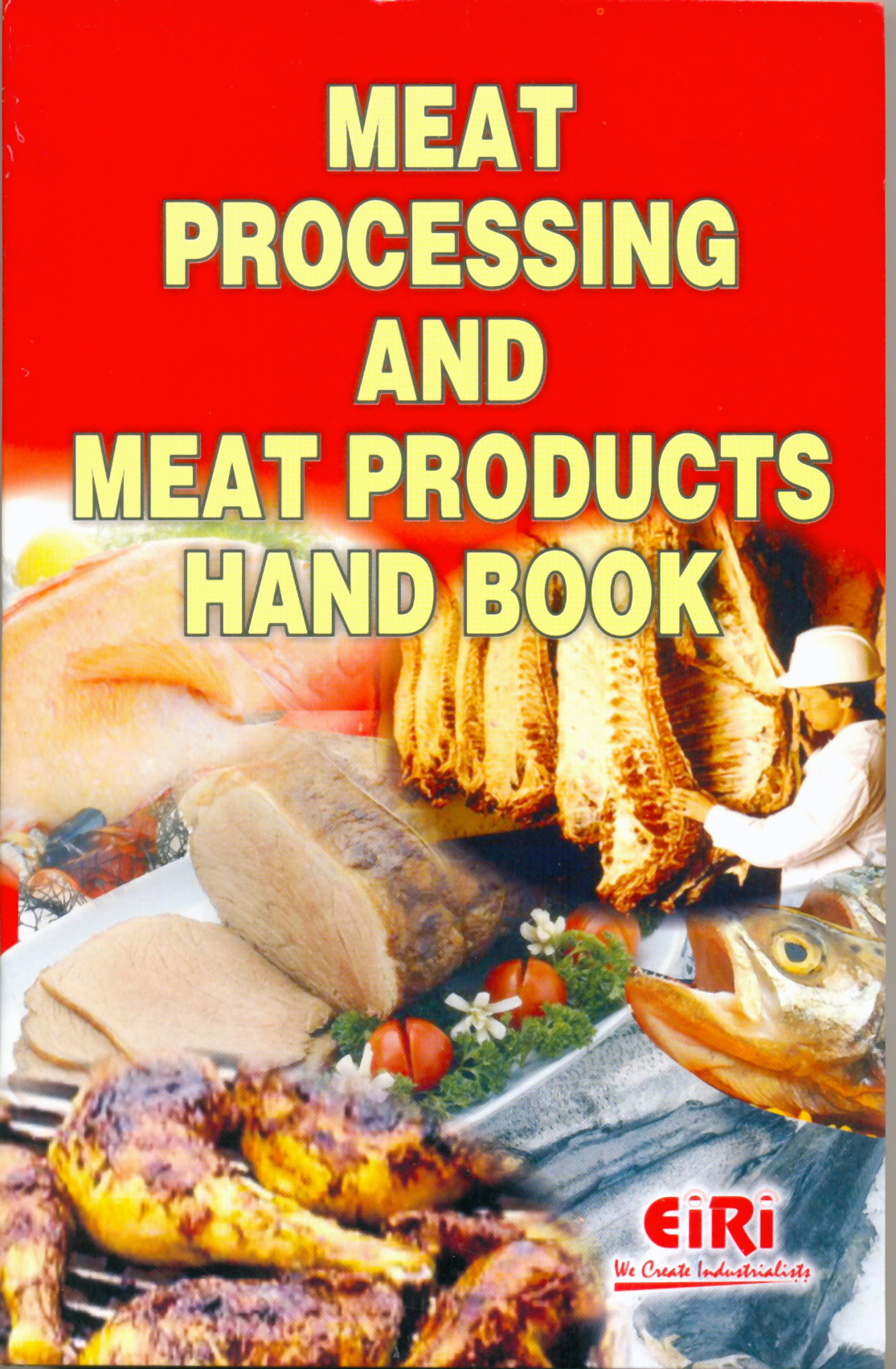
Dairy, meat and protein. These include milk processing and dairy products industries, meat processing and meat products, and chicken meat and poultry products.
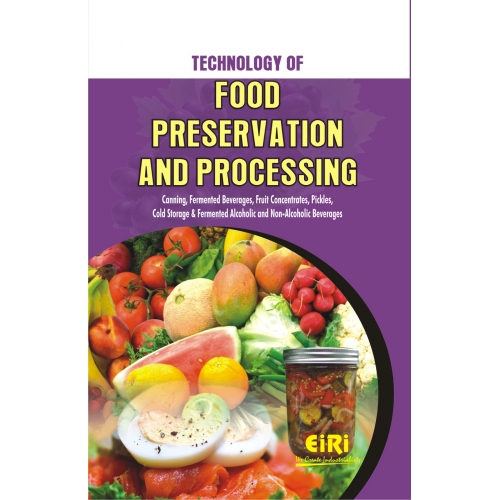
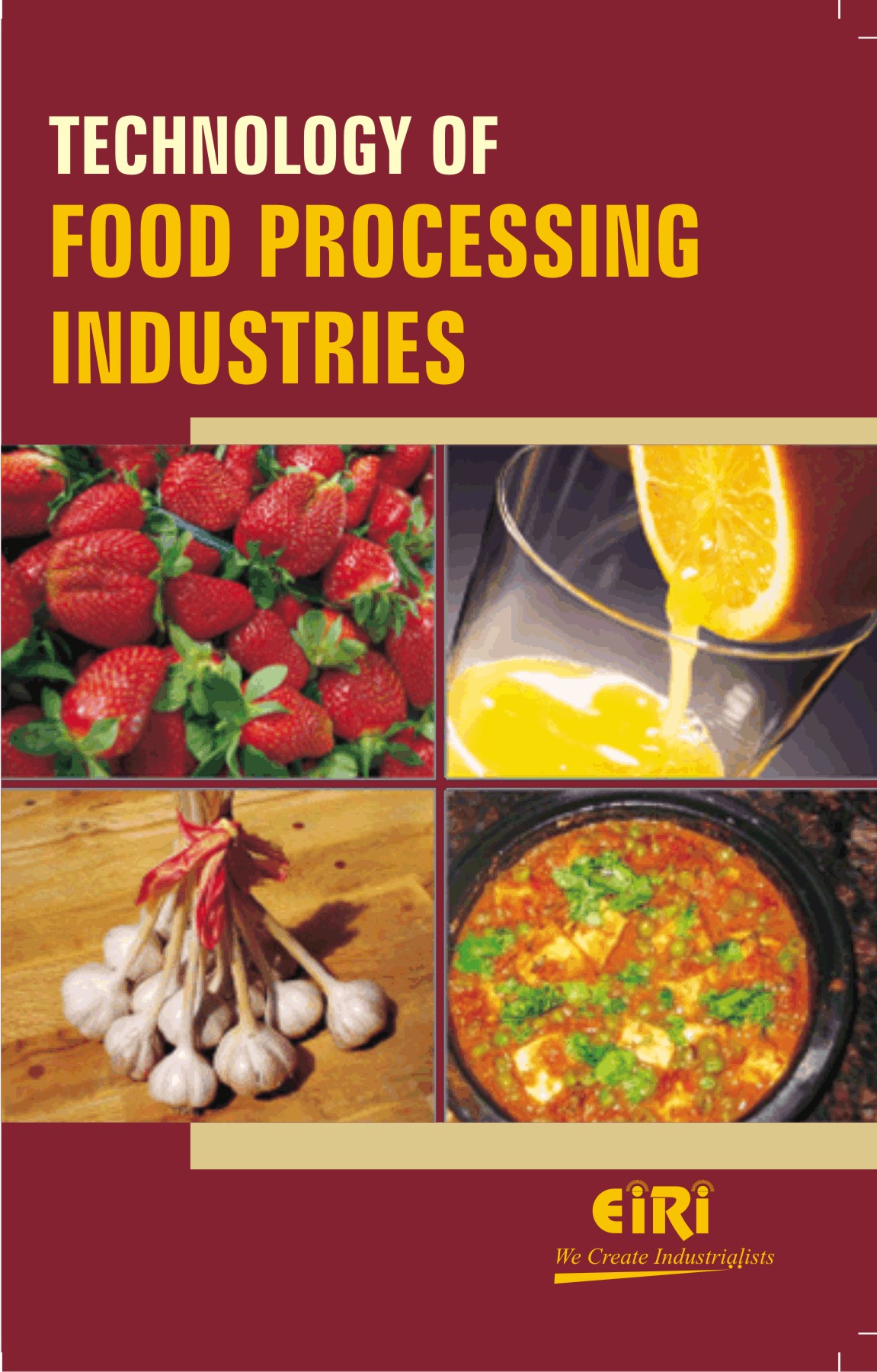
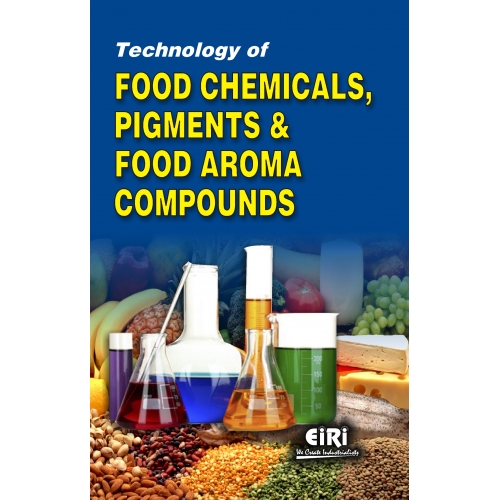
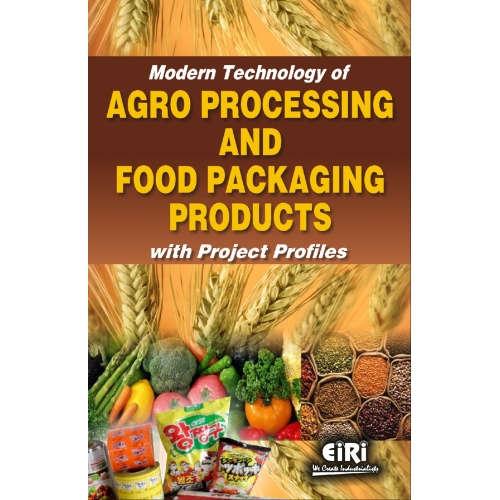
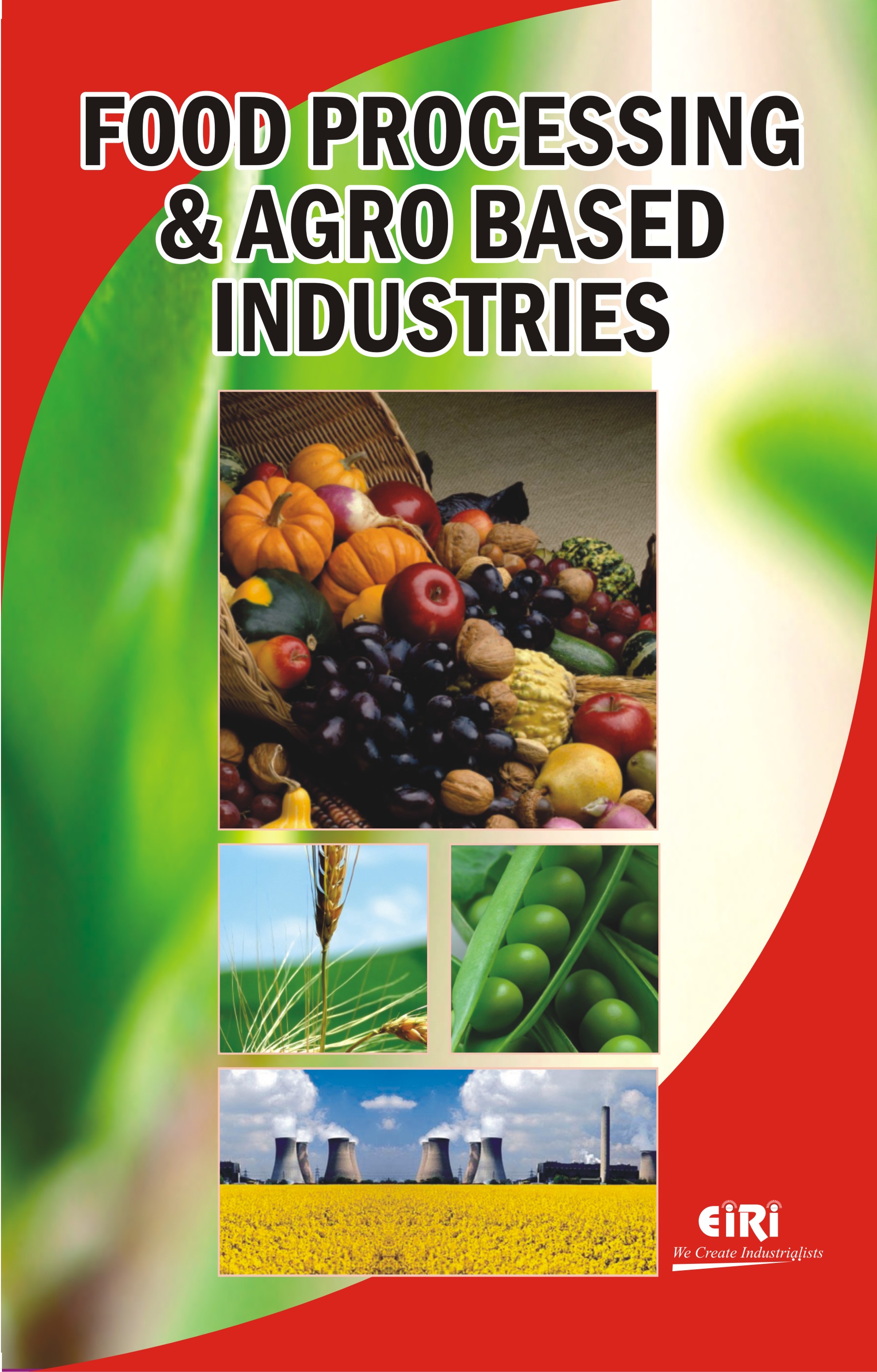
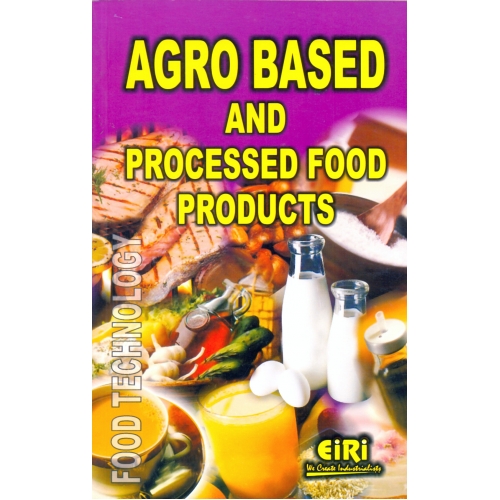
Water, packaging and broad references. These include water and packaged drinking water, food packaging technology, packaging for processed food, bakery, snacks and spices, agro-food processing and packaging, agro-processing and food packaging products, and comprehensive references including food technology with canning, preservation and dehydration, food processing industries, food preservation and processing, food processing and agro-based industries, agro-based and processed food products, frozen food processing and freeze drying, and food chemicals, pigments and aroma compounds.
Each handbook covers the raw materials, the processing methods, the formulations, the plant and machinery at different capacities, quality and shelf-life considerations, and indicative plant economics. Across the category, this is the technical basis needed to select a product, specify equipment, plan production and estimate the investment for a food-processing venture.
Food processing requires an FSSAI licence in India and equivalent food-safety approval elsewhere, along with standard business registrations, hygiene compliance and, for packaged products, labelling and BIS standards. Food processing is among the most actively supported sectors under government schemes in many countries, which is worth checking for your location. Confirm the applicable requirements before investing.
The best choice depends on your local raw material, capital and market. Grain milling, spice processing, snacks, fruit and vegetable processing and packaged water are common entry points because they combine steady demand with manageable complexity. The handbooks cover a wide range so you can match a product to your situation.
Yes. Food processing has an unusually wide range of viable scales, from a small spice or snacks unit to a large automated plant. Many entrepreneurs start small and expand. The handbooks help you understand realistic starting capacity and equipment.
In India, an FSSAI licence is required, along with hygiene compliance, standard registrations and, for packaged products, labelling and BIS standards. Requirements differ by country, so confirm with your local food-safety authority.
Food processing is among the most actively supported sectors in many countries, with schemes for units, cold chain and agro-processing infrastructure. Availability and terms vary, so check current schemes for your location. A detailed project report is usually needed to apply.
Yes. Alongside these handbooks, EIRI prepares customised Detailed Project Reports across the food processing sector, suitable for bank finance and scheme applications and matched to your product, capacity and location.
Browse the handbooks above to find the guide for your intended product. Each can be purchased and downloaded, or request a free sample to review the depth first. For bank-ready project reports or customised documentation, send us your requirement.
Speak with our experts and get personalized guidance for your manufacturing business idea, project planning, machinery selection, and investment strategy.