Fruit and vegetable processing solves one of the most visible problems in agriculture: enormous quantities of produce are lost after harvest for want of processing and preservation, while demand for juices, purees, dehydrated foods, canned products and ready ingredients keeps rising. For an entrepreneur, that gap is the opportunity — converting perishable, seasonal produce into stable, higher-value products with a longer shelf life and a wider market, including export. Units can be built at a range of scales and located close to growing areas to secure cheap raw material.
These handbooks cover fruit and vegetable processing technology, prepared by EIRI's consultants with more than 45 years of industrial project experience, so an entrepreneur can understand the processes and economics before investing.
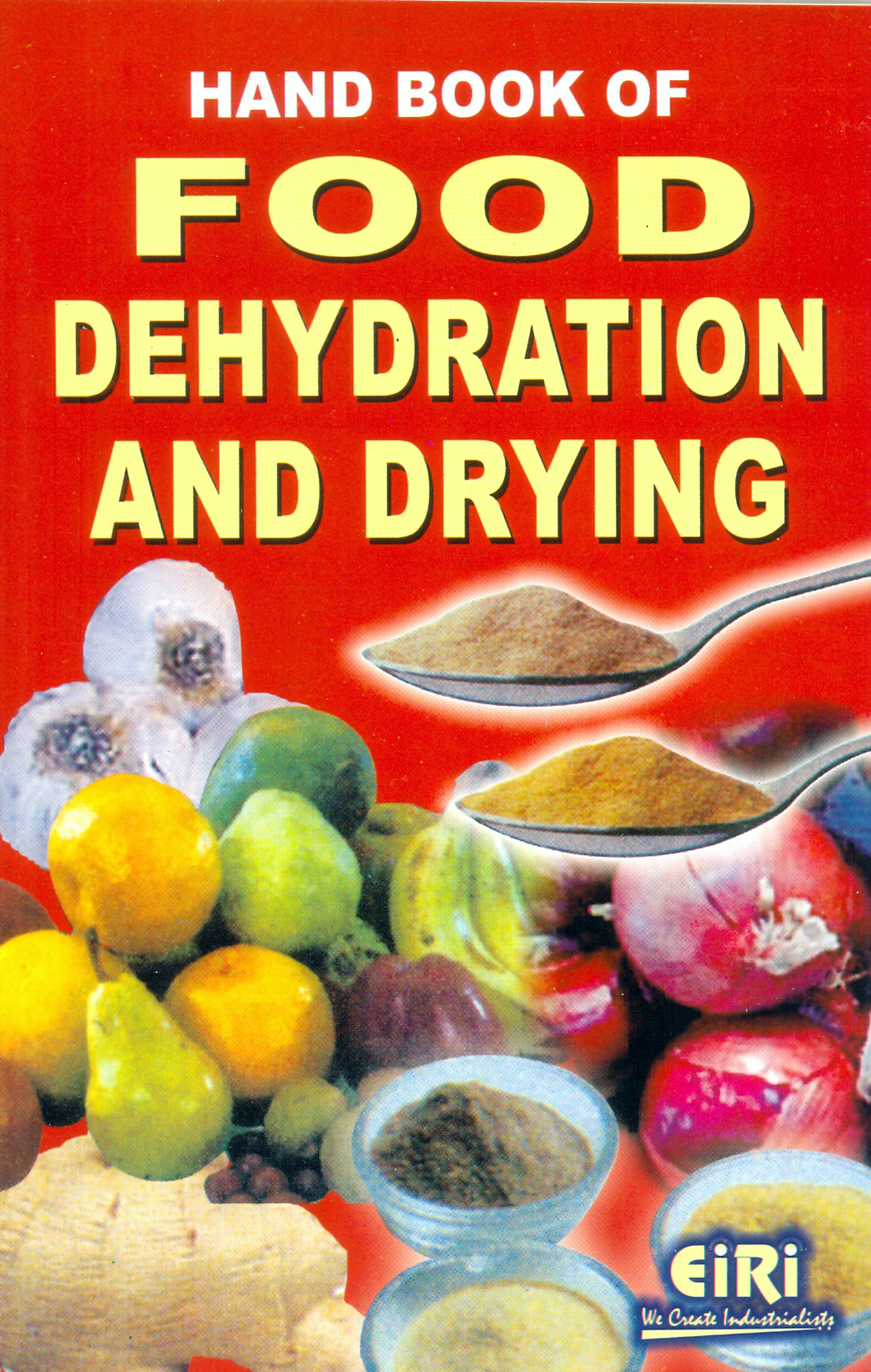
The category includes the core fruits and vegetables processing handbook, preservation and canning of fruits and vegetables, food dehydration and drying, and food preservation and processing including canning and fruit concentrates.
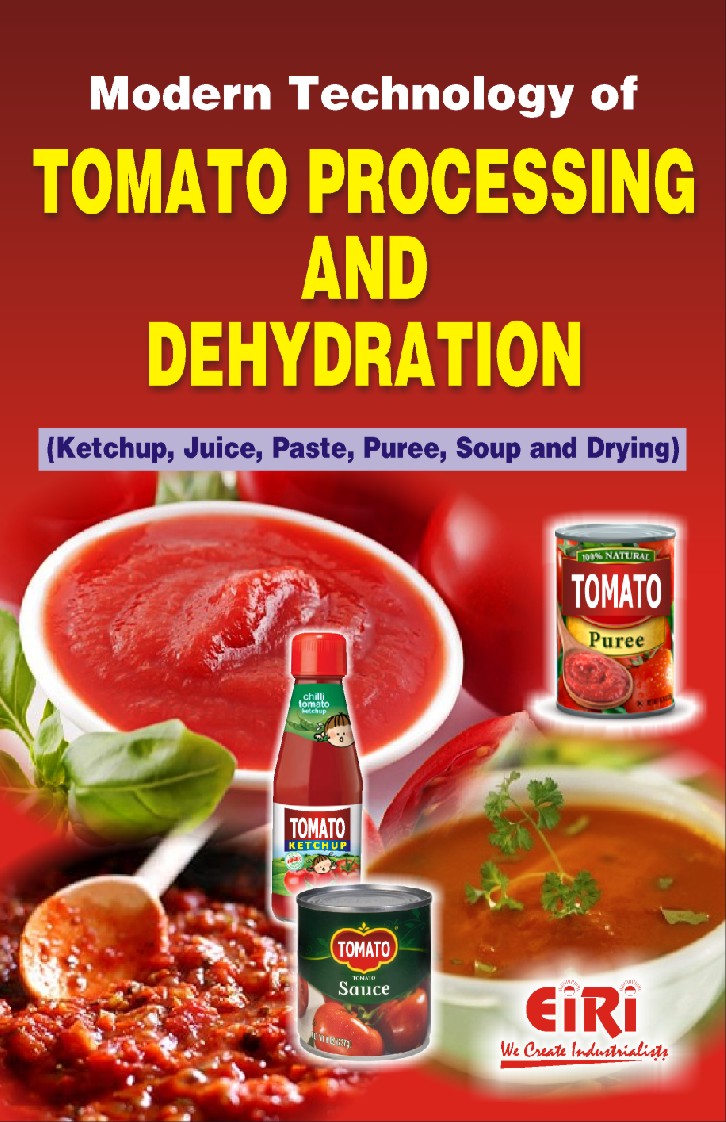
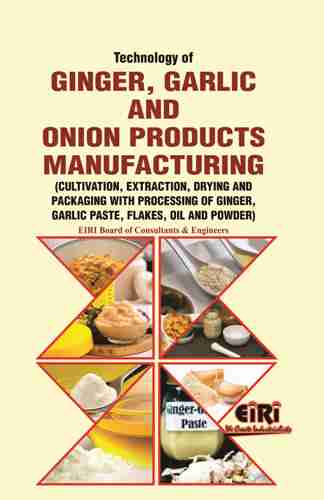
Crop-specific guides cover tomato processing and dehydration — ketchup, juice, paste and puree — banana processing, onion dehydration, flakes and powder, papaya processing and papain extraction, and ginger, garlic and onion products. Broader references include food technology with canning, preservation and dehydration, food processing industries, food processing and agro-based industries, agro-based and processed food products, and agro-processing and food packaging products.
Each handbook covers raw material handling, the processing and preservation methods — canning, dehydration, pulping, juicing, freezing — the formulations for finished products, the plant and machinery involved, and quality and shelf-life considerations. Crop-specific titles go deeper into the particular processing of a single produce type. Together they give the technical basis to build a fruit and vegetable processing operation.
Fruit and vegetable processing requires an FSSAI licence in India and equivalent food-safety approval elsewhere, along with hygiene compliance and, for packaged and canned products, labelling and quality standards. Export markets apply their own standards. This is a strongly scheme-supported sector in many countries. Confirm the applicable requirements before investing.
It addresses a genuine gap, since large quantities of produce are lost after harvest while demand for processed products rises. Locating near growing areas secures cheap raw material, and processed products carry longer shelf life and higher value. Viability depends on raw-material access, product choice and market, which the handbooks help assess.
Seasonality is central to planning. Many processors buy heavily during harvest and preserve or process into stable products, which means working capital must cover the buying season. Dehydration, canning and freezing all extend the usability of seasonal crops. The handbooks cover these methods.
Yes, and several handbooks are crop-specific — tomato, banana, onion, papaya, ginger and garlic — covering the particular processing, products and packaging for that produce. Focusing on one crop can suit an area with abundant local supply.
In India, an FSSAI licence is required, along with hygiene compliance and, for packaged products, labelling and quality standards. Export carries destination-market standards. Confirm the requirements for your products and markets before investing.
Yes. Alongside these handbooks, EIRI prepares customised Detailed Project Reports for fruit and vegetable processing units, suitable for bank finance and scheme applications and matched to your crop, capacity and location.
Browse the handbooks above to find the guide for your intended product. Each can be purchased and downloaded, or request a free sample to review the depth first. For bank-ready project reports or customised documentation, send us your requirement.
Speak with our experts and get personalized guidance for your manufacturing business idea, project planning, machinery selection, and investment strategy.