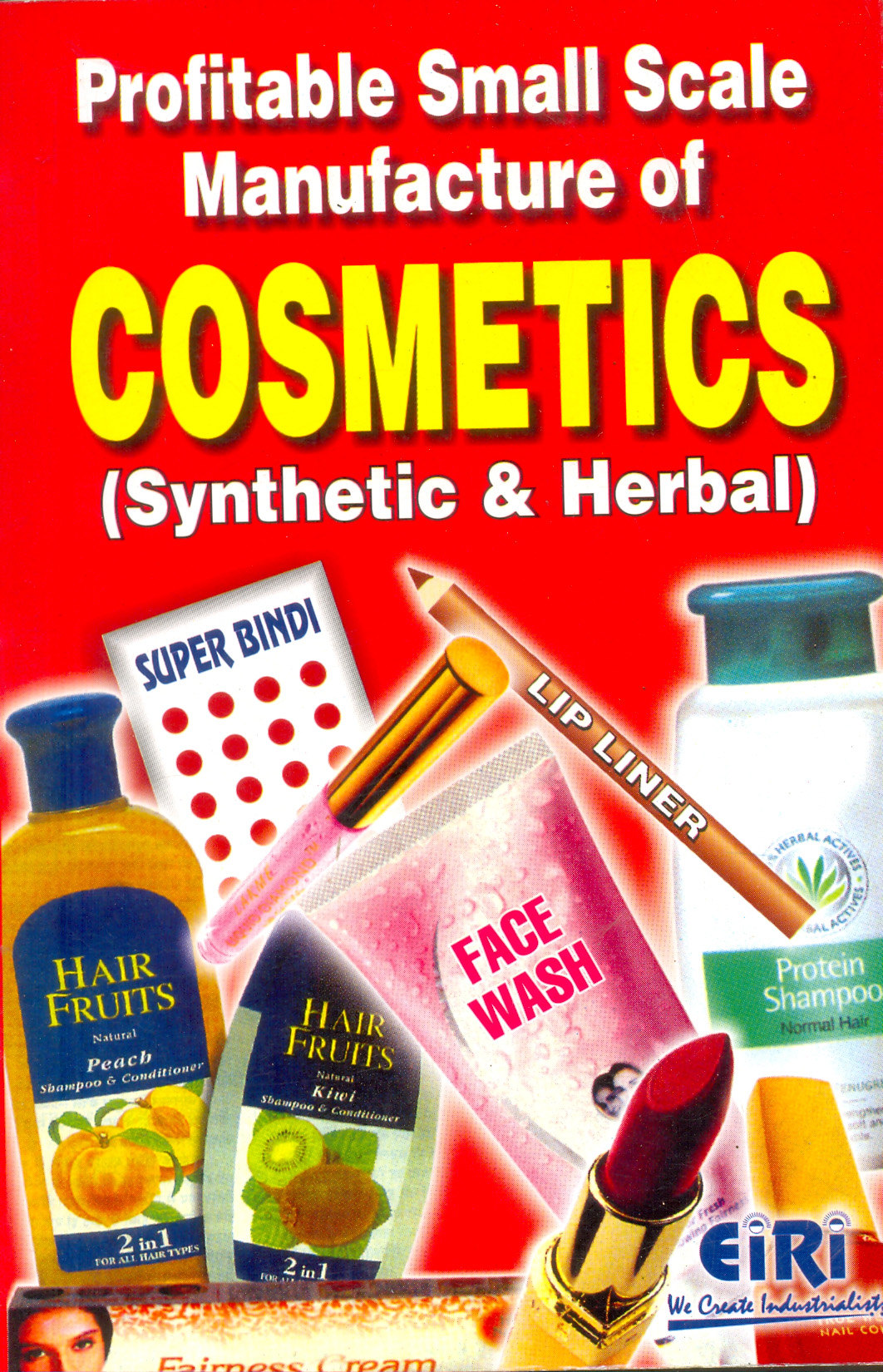
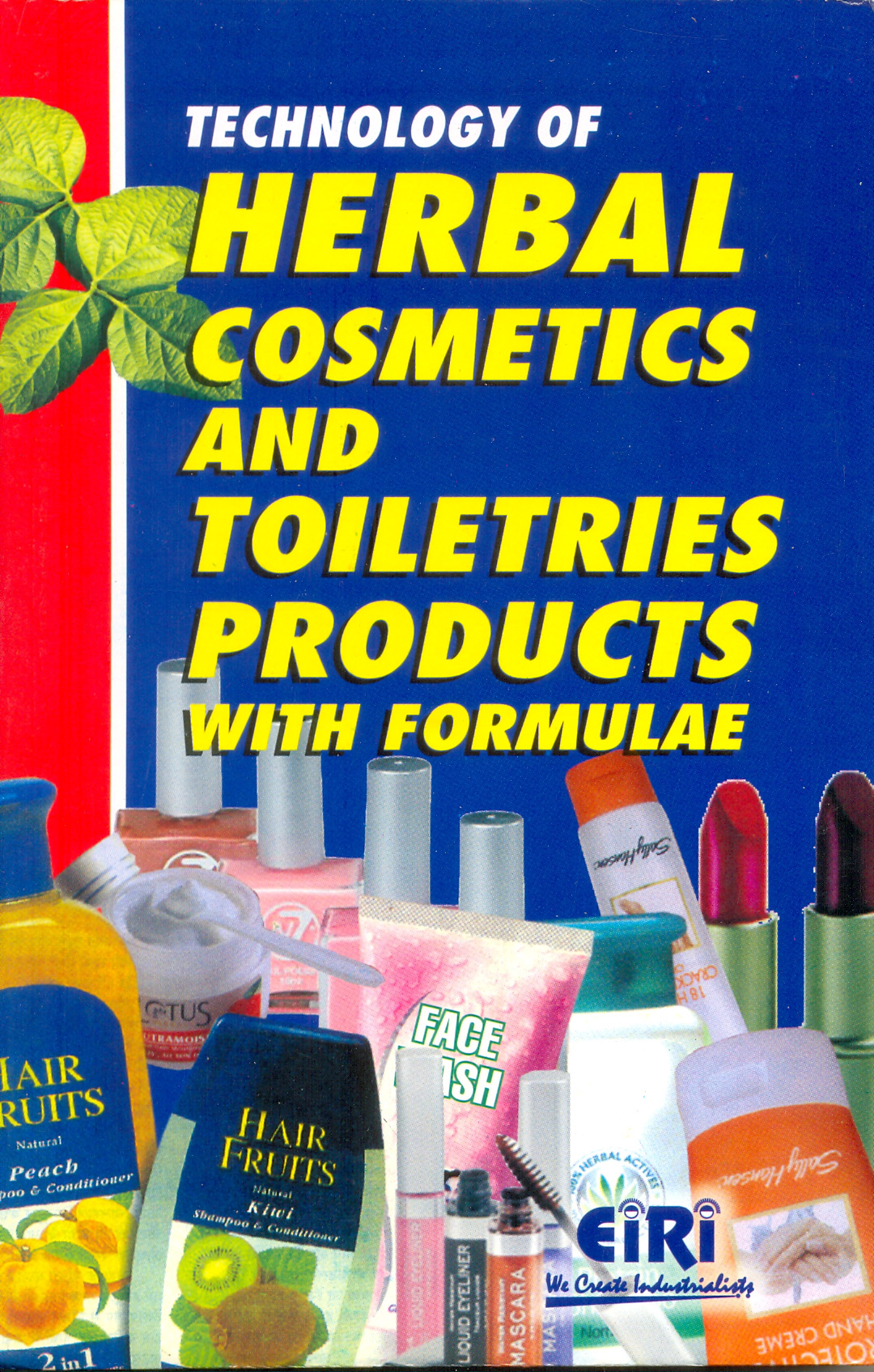
Cosmetics and personal care is one of the most attractive sectors for a new manufacturer: demand is large and growing, margins on branded products are strong, and units can start small and scale with a brand. The herbal and natural segment in particular has surged, as consumers across India, Asia and Africa increasingly choose plant-based creams, shampoos and beauty products. For an entrepreneur, the decisive factor is formulation — a good, safe, consistent formula is what turns a cosmetic idea into a sellable product.
These handbooks cover both herbal and synthetic cosmetics formulations and manufacturing, prepared by EIRI's consultants with more than 45 years of industrial project experience, so an entrepreneur can understand the products before setting up a unit.
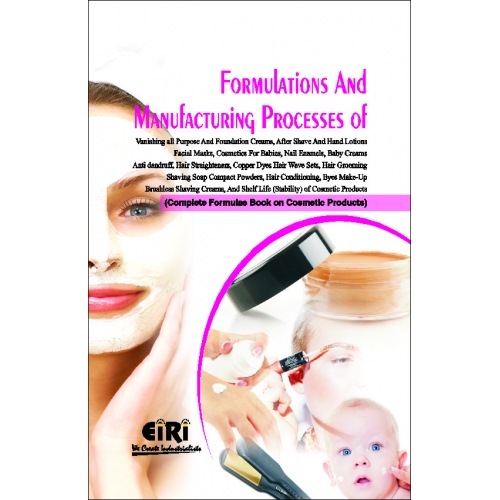
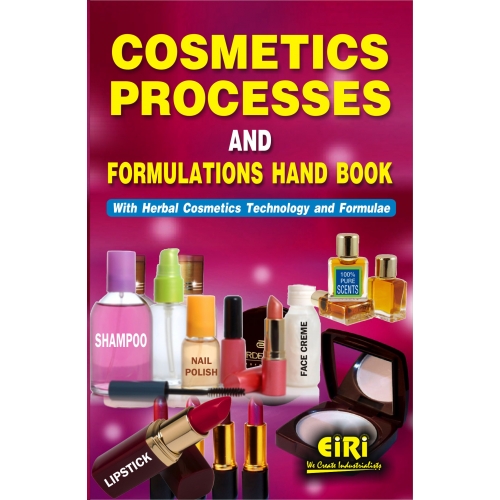
Broad cosmetics references. The category includes the complete formulae book on cosmetic products, the handbook of synthetic and herbal cosmetics, the cosmetic processes and formulations handbook with herbal cosmetics technology, and the complete technology handbook on cosmetics, toiletries and soaps.
Herbal and natural cosmetics. These include herbal cosmetics and beauty products with formulations, herbal cosmetics and toiletries with formulae, and profitable small scale manufacture of cosmetics.
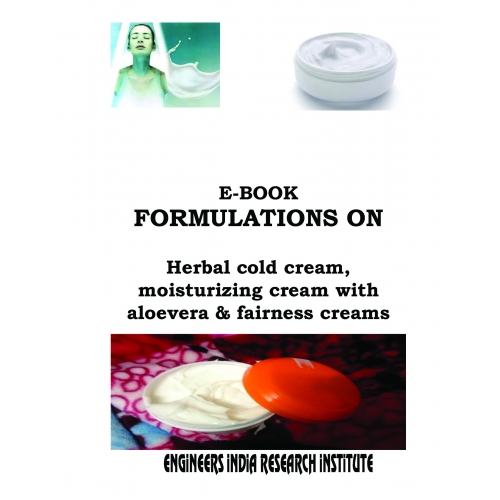
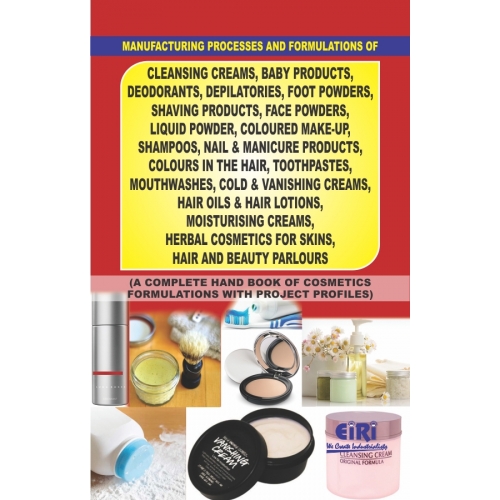
Specific product guides. Focused formulation guides cover body lotion, herbal cold cream, moisturizing and fairness creams, nail enamel and removers, hair shampoos and conditioners, and cleansing creams, baby products and face powders.
Each handbook covers the ingredients and raw materials, the formulations, the manufacturing process, the plant and machinery involved, and quality and stability considerations. This is a formulation-driven category, and the guides provide the recipes and process detail needed to make safe, consistent, saleable products — whether herbal, synthetic or a combination.
Cosmetics manufacturing requires a cosmetics manufacturing licence in India under the applicable drugs and cosmetics rules, along with standard registrations and compliance with ingredient safety and labelling requirements. Herbal claims and certain actives may carry additional requirements. Export markets apply their own cosmetics regulations, which can be strict. Confirm the applicable requirements for your products and markets before investing.
Cosmetics combine large, growing demand with strong margins on branded products, and the herbal and natural segment is expanding quickly. Profitability depends on formulation quality, brand and distribution. Many successful cosmetics businesses start small with a focused product range and scale with the brand.
Yes. Many cosmetics products — creams, lotions, shampoos, soaps — can be manufactured at small scale to start, subject to licensing. The handbooks help you understand the formulations and equipment so you can plan a realistic starting range.
In India, a cosmetics manufacturing licence under the applicable drugs and cosmetics rules is required, along with ingredient safety and labelling compliance. Requirements differ by country and for export. Confirm the current position with the relevant authority before investing.
Both have strong markets. Herbal and natural products are growing fast on consumer preference, while synthetic formulations offer performance and cost advantages for certain products. The handbooks cover both, and many manufacturers make a range spanning the two.
Yes. Alongside these handbooks, EIRI prepares customised Detailed Project Reports for herbal and synthetic cosmetics units, suitable for finance and scheme applications and matched to your product range, capacity and location.
Browse the handbooks above to find the guide for your intended product. Each can be purchased and downloaded, or request a free sample to review the depth first. For bank-ready project reports or customised documentation, send us your requirement.
Speak with our experts and get personalized guidance for your manufacturing business idea, project planning, machinery selection, and investment strategy.
.jpeg)