Medicinal and aromatic plants sit at the source of several high-value industries — herbal medicine, essential oils, cosmetics, nutraceuticals and wellness products — and cultivating them is a business opportunity in its own right. Demand for herbal and natural ingredients is rising steadily worldwide, and growers who understand cultivation, extraction and value addition can capture far more than those who sell raw plant material. For entrepreneurs with access to land in suitable climates, this is a genuine agri-business with strong downstream demand.
These handbooks cover the cultivation, processing and extraction of medicinal and aromatic plants, prepared by EIRI's consultants with more than 45 years of industrial project experience.
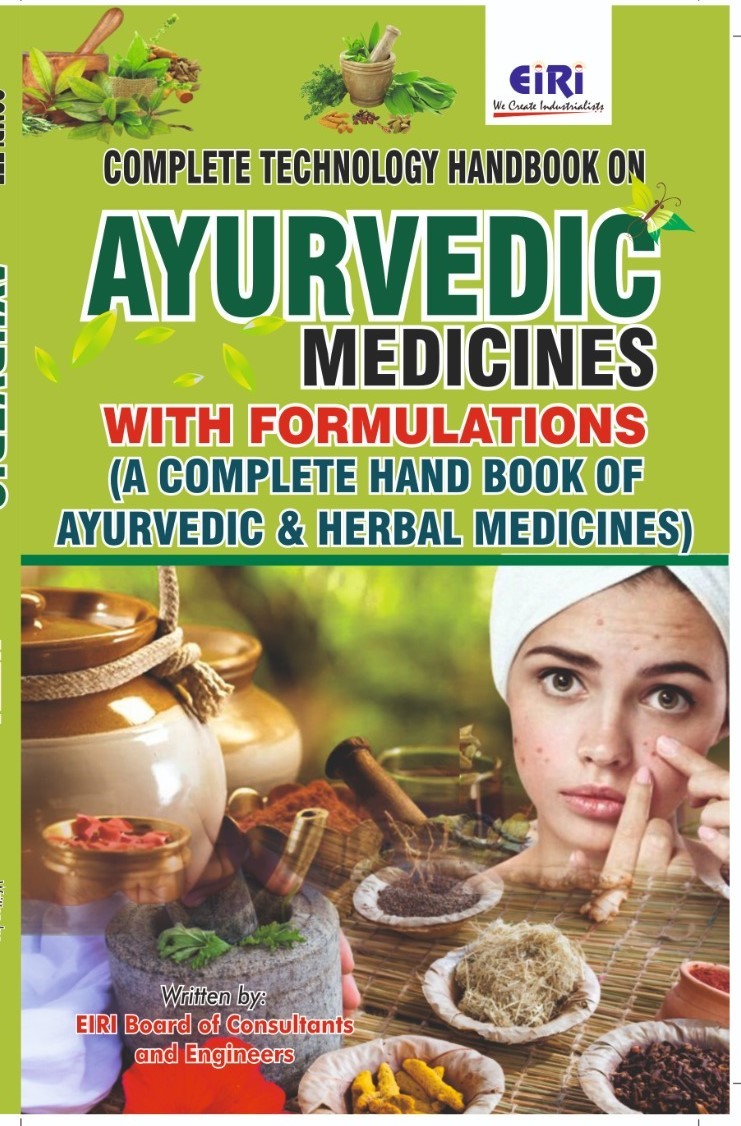
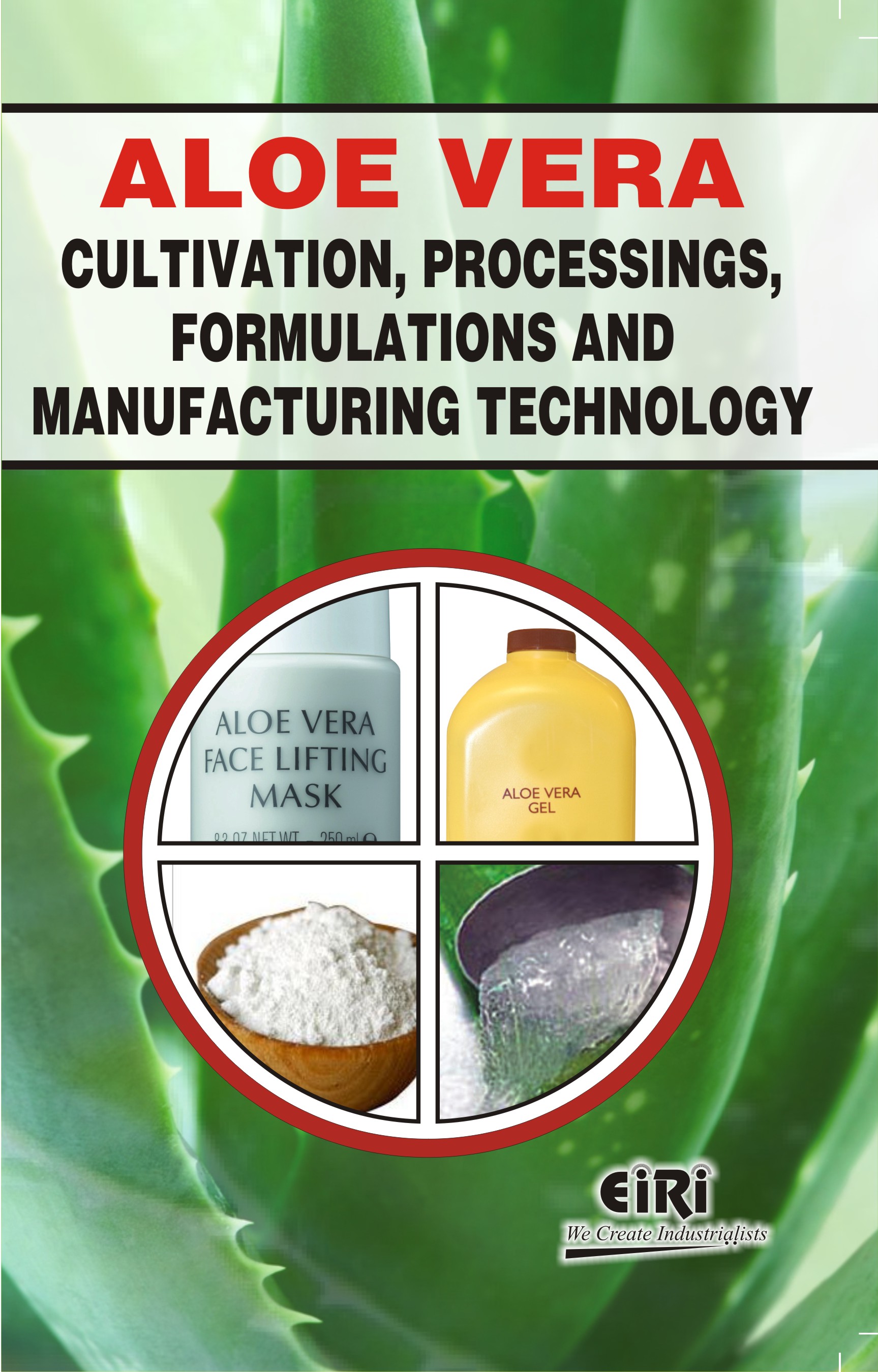
The category includes the handbook of herbs, medicinal and aromatic plants cultivation and the handbook of medicinal and aromatic plants cultivation, utilisation and extraction process, which extends into the extraction that adds value. A dedicated aloe vera cultivation, processing and formulations handbook covers one of the most commercially popular medicinal crops, and the handbook of aromatic and medicinal plants with biodiesel (jatropha) links plant cultivation to energy applications. The category also includes the handbook of ayurvedic medicines with formulations for those integrating cultivation with medicine manufacture, and a complete handbook of medicinal and aromatic plants cultivation in Hindi.
Each handbook covers the plant species and their requirements, cultivation methods, harvesting, post-harvest handling, and — importantly — the extraction and utilisation that turns raw plants into valuable ingredients. Crop-specific titles such as aloe vera go deeper into a single high-demand plant. Together they cover both the growing and the value-addition sides of the medicinal and aromatic plant business.
Cultivation itself generally needs standard agricultural and land-use compliance, but processing into medicines, cosmetics or food ingredients brings the relevant product regulations — AYUSH for ayurvedic products, cosmetics rules for beauty ingredients, FSSAI for food use. Some medicinal plants are subject to conservation or trade restrictions. Confirm the requirements for your intended crops and downstream products before investing.
It can be, given rising demand for herbal and natural ingredients across medicine, cosmetics and wellness. Returns are strongest where growers add value through extraction or processing rather than selling raw material. Profitability depends on crop choice, climate, yield and access to buyers, which the handbooks help assess.
Aloe vera is among the most popular starting crops because of strong, established demand across cosmetics, wellness and food, and it has a dedicated handbook covering cultivation and processing. The right crop ultimately depends on your climate, land and target market.
Value addition — extraction, drying, formulation — captures considerably more margin than selling raw plant material. The extraction-focused handbooks cover how to move up the value chain, which is generally where the stronger returns lie.
Some medicinal plants are subject to conservation or trade restrictions, and processing into medicines or cosmetics brings the relevant product regulations. Confirm the position for your specific crops and intended products before committing.
Yes. Alongside these handbooks, EIRI prepares customised Detailed Project Reports for medicinal and aromatic plant cultivation and extraction units, suitable for finance and scheme applications and matched to your crop, capacity and location.
Browse the handbooks above to find the guide for your intended crop or process. Each can be purchased and downloaded, or request a free sample to review the depth first. For bank-ready project reports or customised documentation, send us your requirement.
Speak with our experts and get personalized guidance for your manufacturing business idea, project planning, machinery selection, and investment strategy.