For anyone asking "which small scale industry should I start?", the honest answer is that the most profitable business is the one matched to your capital, your local market and your access to raw material — not a single universal winner. What helps is a broad, practical survey of proven small-scale and home-based manufacturing options, each with the process, formulations and project profile needed to judge whether it fits. That is exactly what this category provides: a curated shelf of business idea books spanning the sectors that consistently work for first-time entrepreneurs and small manufacturers.
Each handbook is prepared by EIRI's consultants with more than 45 years of industrial project experience, and covers real manufacturing processes and economics rather than generic business advice.
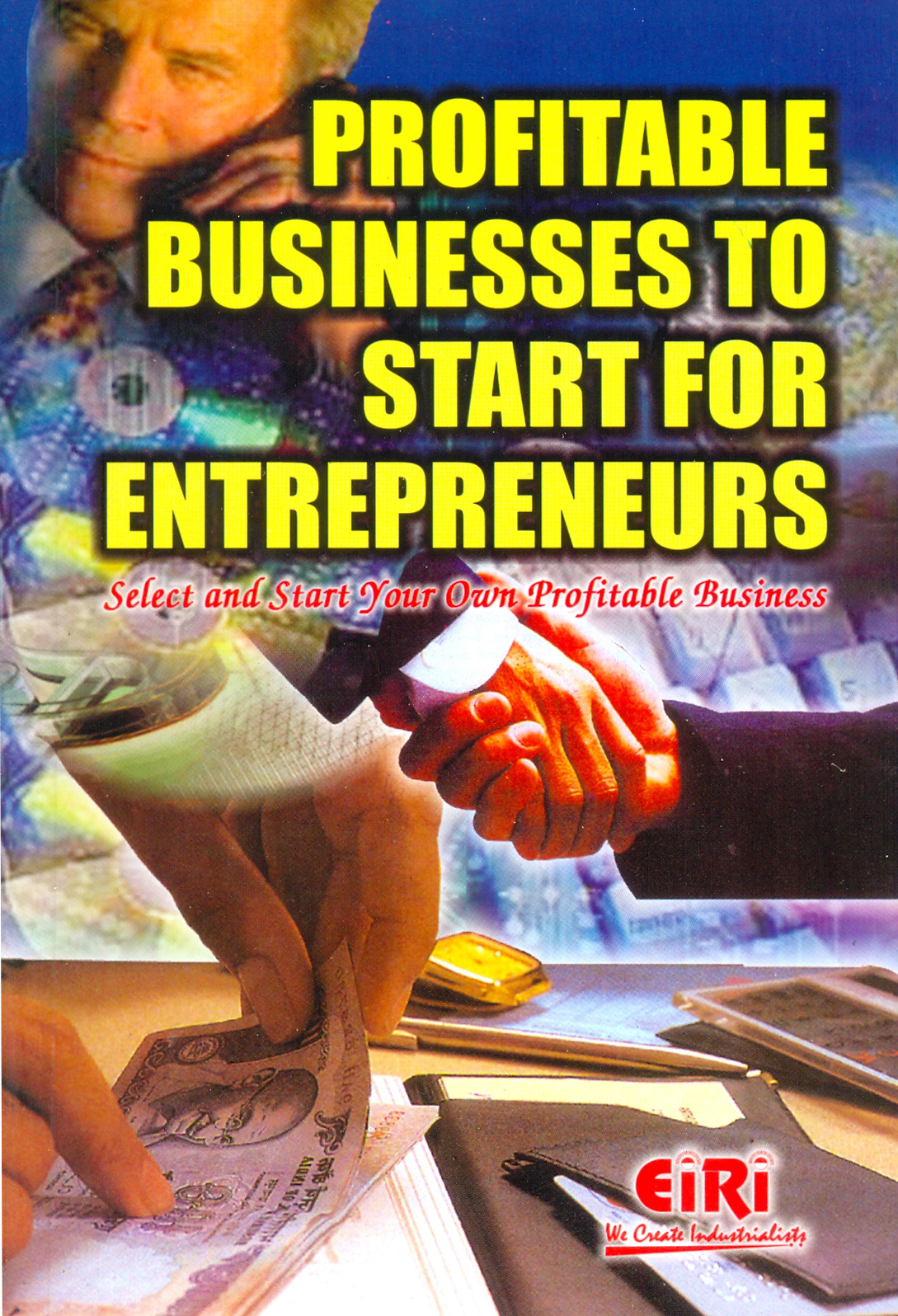
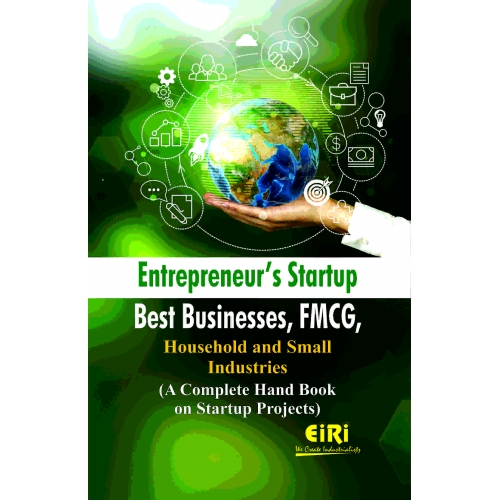
Guides to choosing and starting a business. Several titles survey the field to help you select: profitable businesses to start for entrepreneurs, startup profitable industries with processes and formulations, entrepreneur's startup best businesses in FMCG and household products, modern small and cottage scale industries, profitable small, cottage, tiny and home industries, start your own small business and industry, start your own export business, and a Hindi-language guide to small and cottage scale industries.
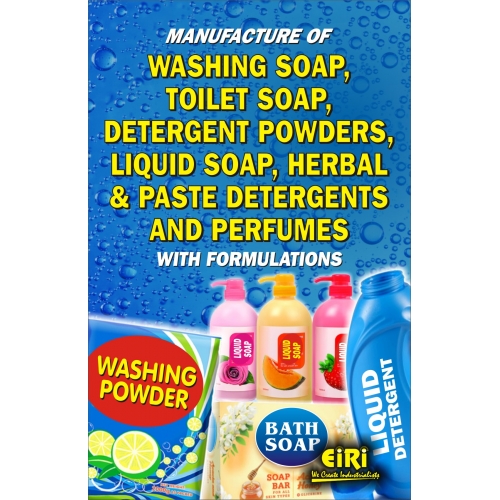
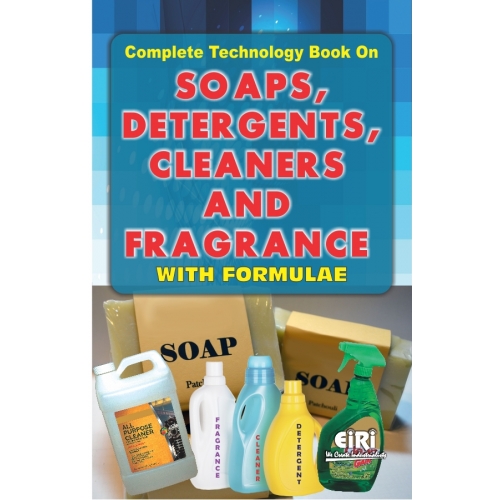
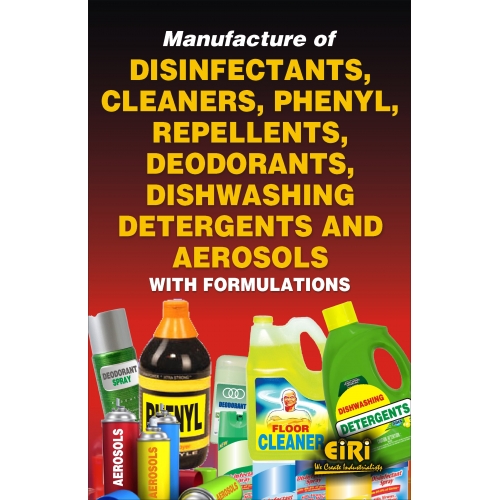
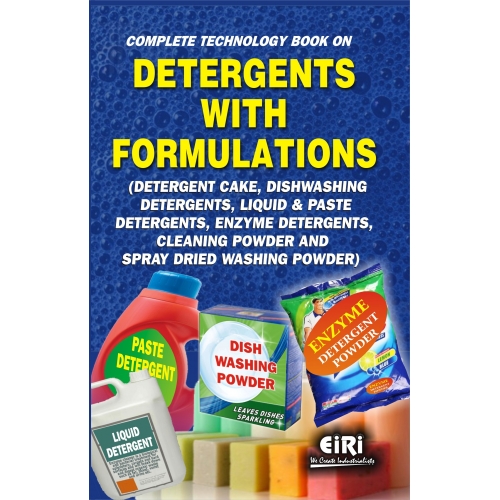
Soaps, detergents and home care. Popular, high-demand small-scale products are covered in washing soap, toilet soap, detergent powders and liquid soap, detergents with formulations, soaps, detergents, cleaners and fragrances, home care products, and disinfectants, cleaners and phenyl.
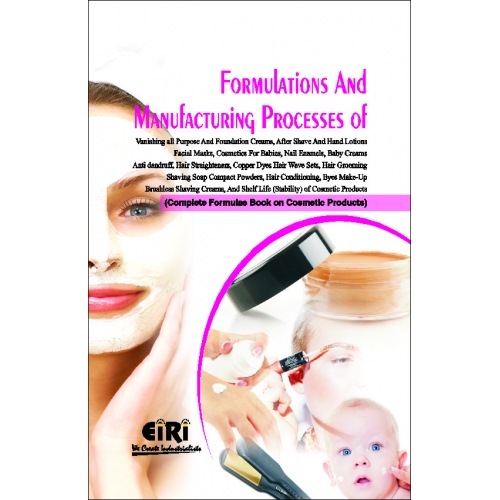
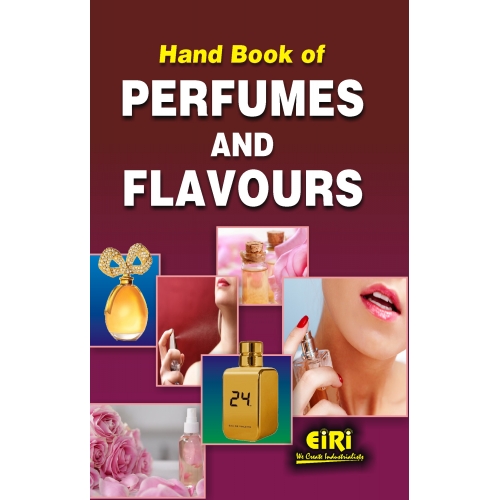
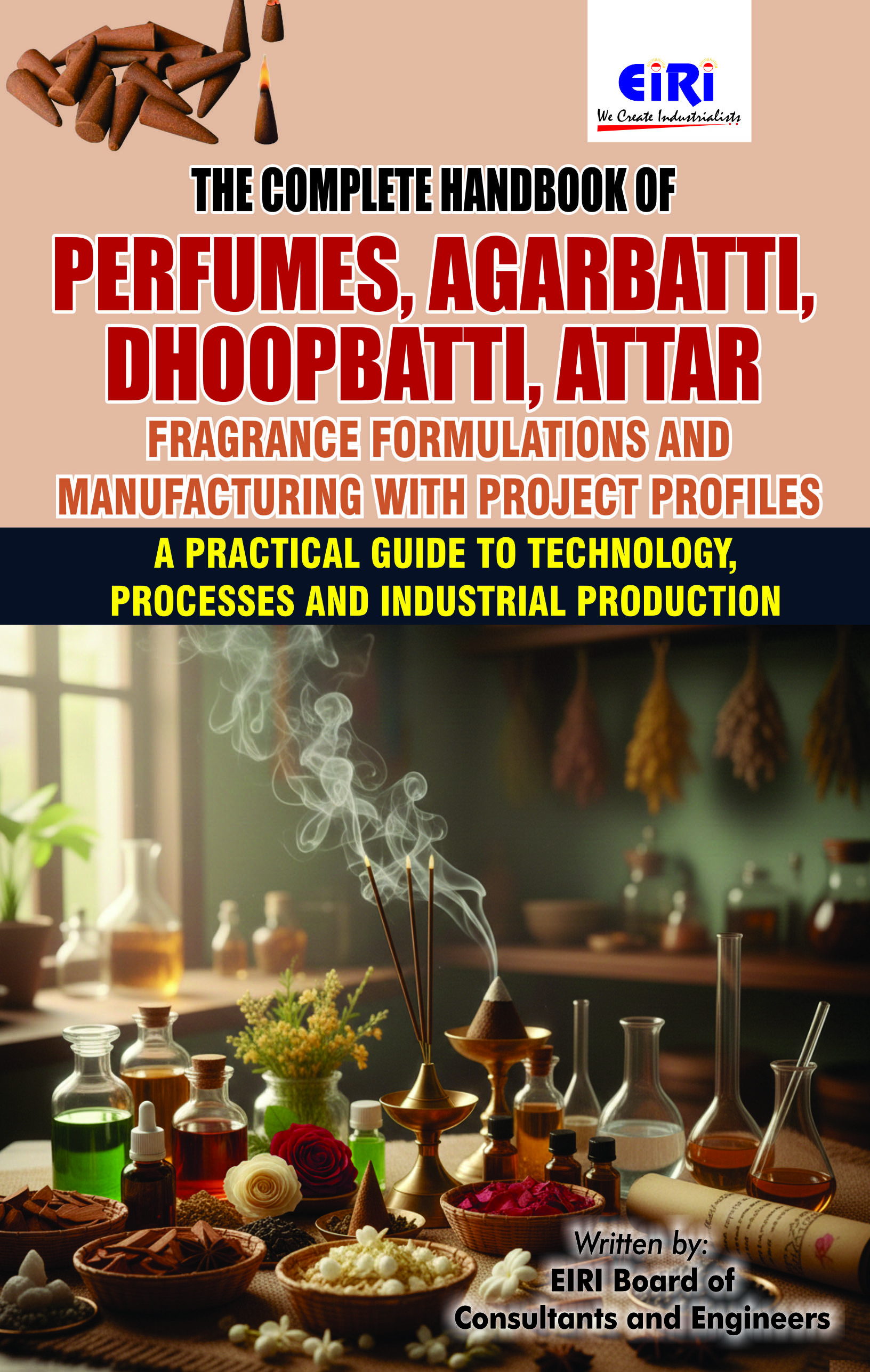
Cosmetics, candles and fragrances. These include the complete formulae book on cosmetic products, cleansing creams, baby products and face powders, candle making, perfumes, scents and incense sticks (agarbatti), perfumes, agarbatti, dhoopbatti and attar, perfumes and flavours, and wax and polishes.
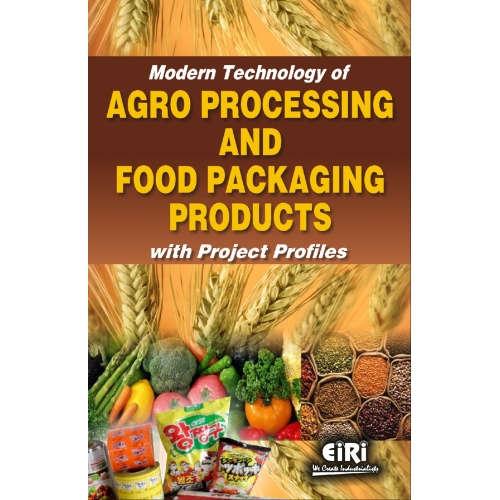
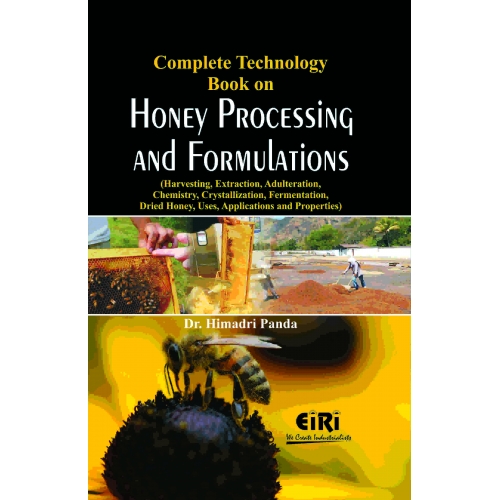
Food and agri products. These include spices and seasoning, spices, masala and condiments, ginger, garlic and onion products, onion dehydration and powder, honey processing, and agro-processing and food packaging.
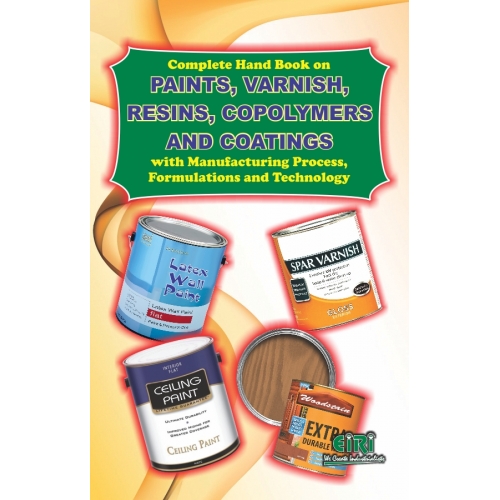
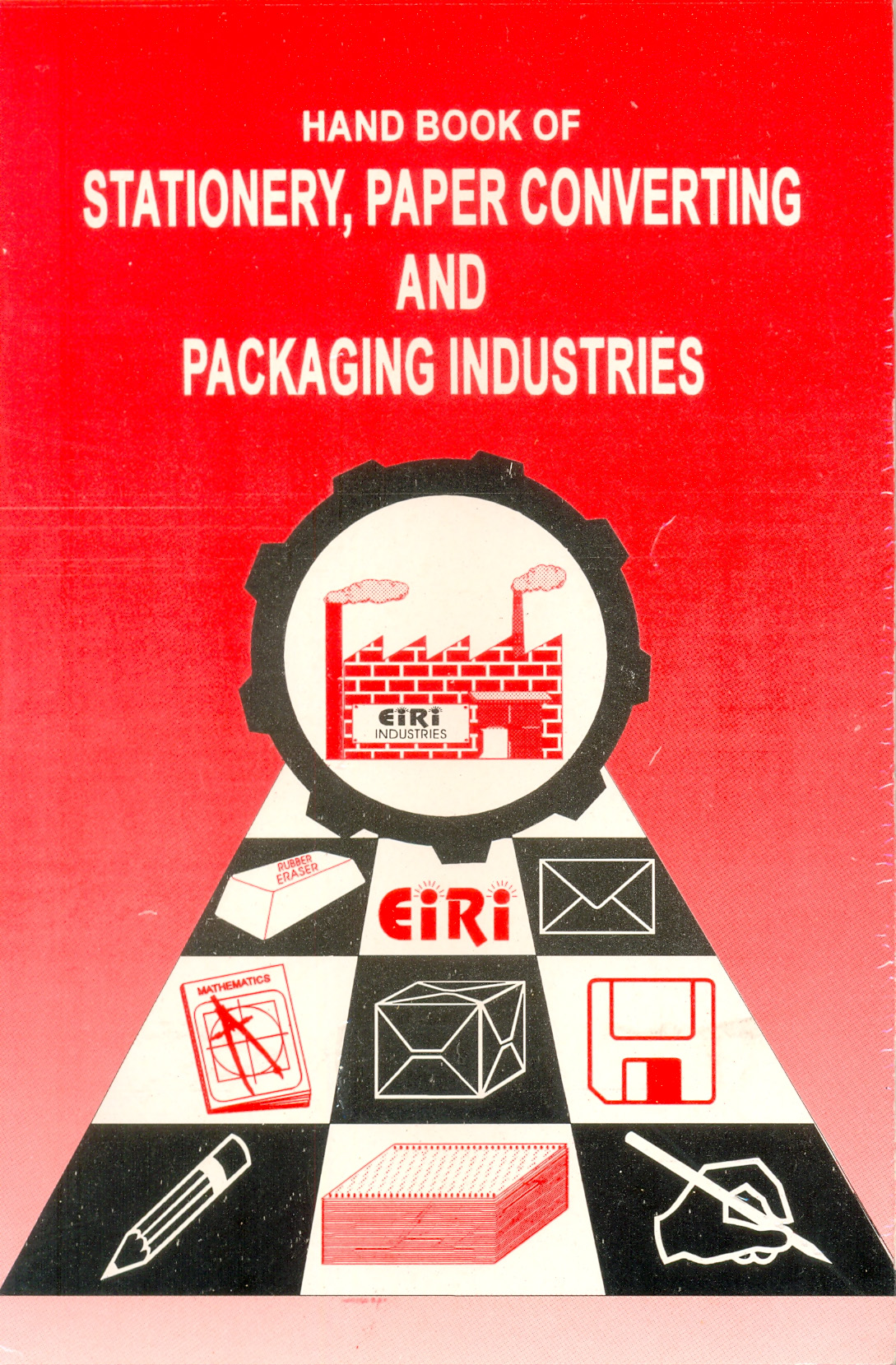
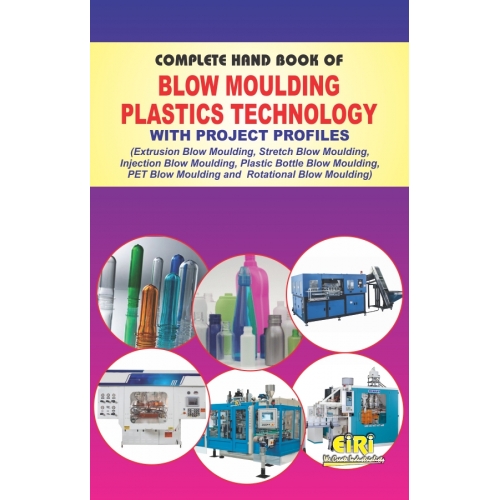
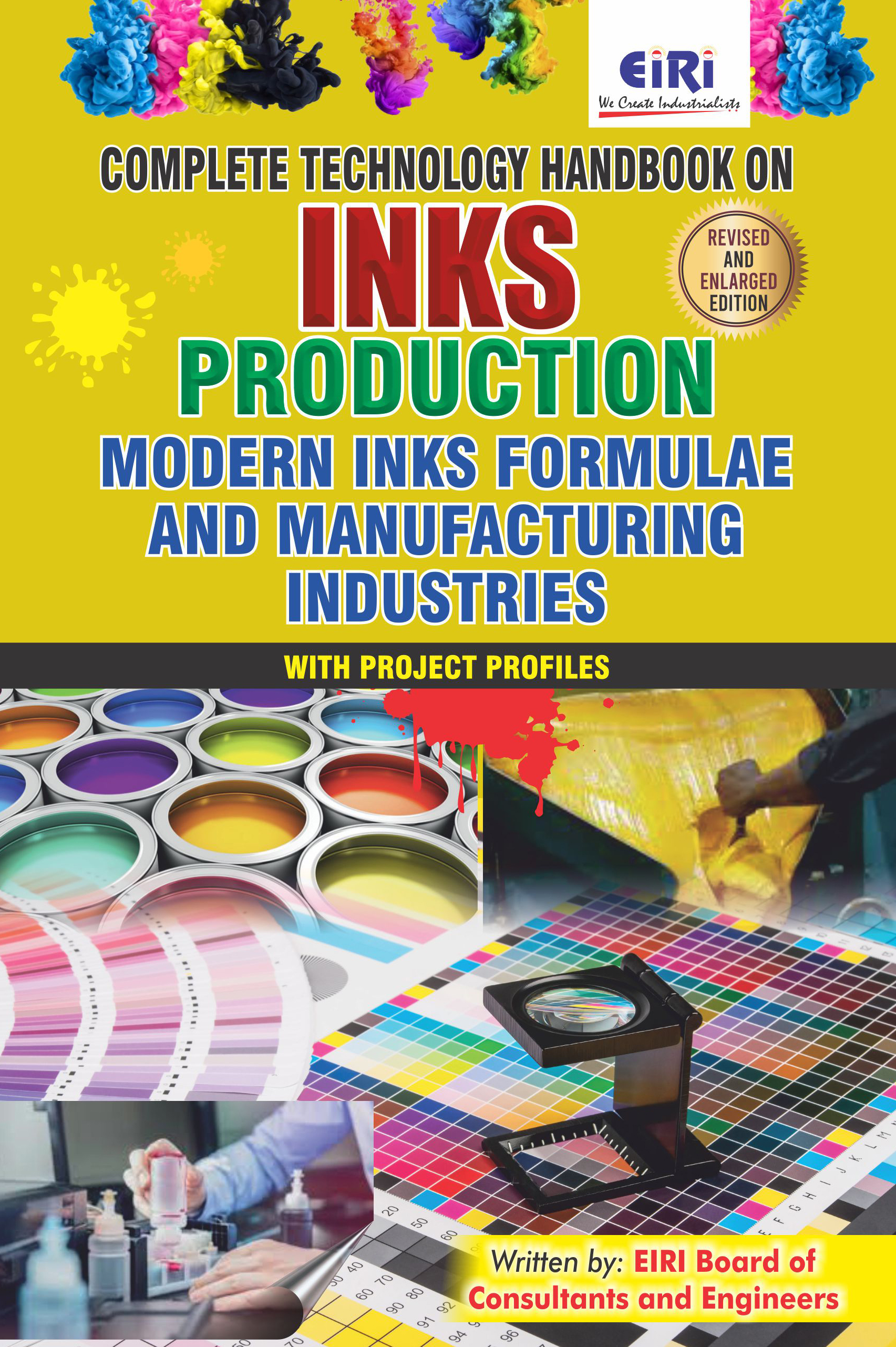
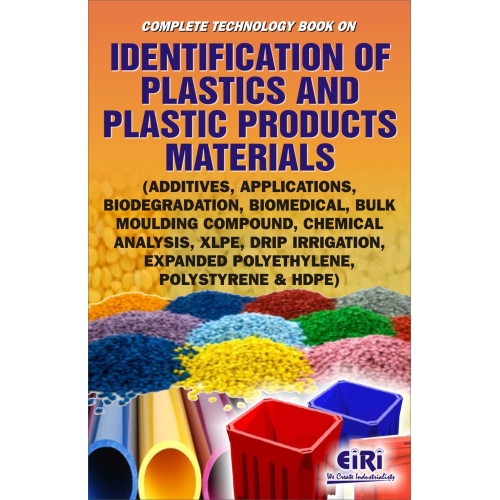
Plastics, paints, stationery and other industries. These include blow moulding plastics, identification of plastics and plastic products, paints, varnish, resins and coatings, paint technology with formulations, inks production, stationery, paper converting and packaging, lubricating oils and re-refining, biomass and biofuels, and even the service sector in profitable education businesses.
The survey guides help you compare options and choose a business that fits your resources; the product-specific handbooks then give the manufacturing process, formulations, plant and machinery and project economics for that product. Together they take you from "what should I start?" to "here is how this specific product is made and what it takes." This is practical, buildable detail rather than general motivation.
Requirements depend entirely on the product chosen: FSSAI for food, cosmetics rules for beauty products, environmental clearances for chemicals and plastics, and standard business registrations across the board. Small-scale and cottage industries are often supported under government schemes such as those for micro and small enterprises, which is worth checking for your location. Confirm the requirements for your chosen product before investing.
There is no single most profitable option — the best business is the one matched to your capital, local market and raw-material access. Consistently popular small-scale sectors include soaps and detergents, cosmetics, spices and food products, candles, incense and packaging. These handbooks help you compare options and understand what each actually takes to run.
Many products in this category — candles, incense, soaps, certain cosmetics and spice products — can be started at low investment and small scale, then expanded. The survey guides and product handbooks help you identify options that fit your budget.
Several products suit home-based or cottage-scale production, subject to the relevant licensing and space requirements. The handbooks on small, cottage and home industries specifically address this scale of operation.
In many countries, micro and small enterprises are actively supported through subsidised finance and scheme programmes. Availability and terms vary, so check current schemes for your location. A detailed project report is usually needed to apply.
Yes. Alongside these handbooks, EIRI prepares customised Detailed Project Reports for small scale and home-based manufacturing units across many products, suitable for bank finance and scheme applications and matched to your product, capacity and location.
Browse the business idea books above to find the option that fits your resources. Each can be purchased and downloaded, or request a free sample to review the depth first. For bank-ready project reports or customised documentation, send us your requirement.
Speak with our experts and get personalized guidance for your manufacturing business idea, project planning, machinery selection, and investment strategy.

.jpg)