Every product that reaches a shelf needs printing and packaging — a label, a carton, a wrapper, a printed insert — which makes print and packaging one of the most demand-diverse manufacturing sectors there is. It rides the growth of food processing, FMCG, pharmaceuticals and e-commerce all at once, rather than depending on any single market. The sector spans several distinct technologies, from offset and screen printing to flexo, gravure and digital, and from folding cartons to corrugated boxes, giving an entrepreneur a wide choice of entry points at different scales.
These handbooks cover printing processes and packaging manufacturing, prepared by EIRI's consultants with more than 45 years of industrial project experience.
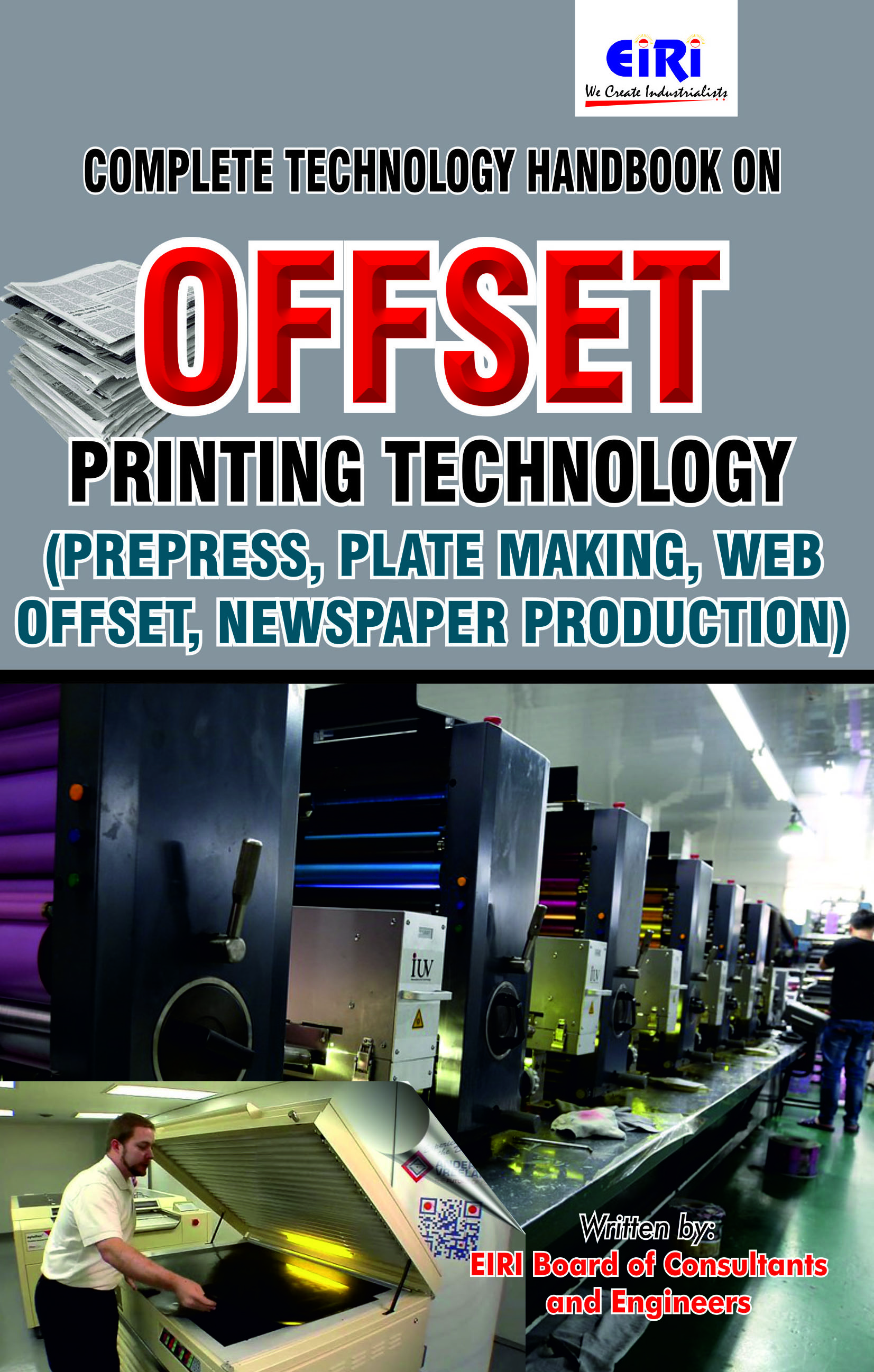
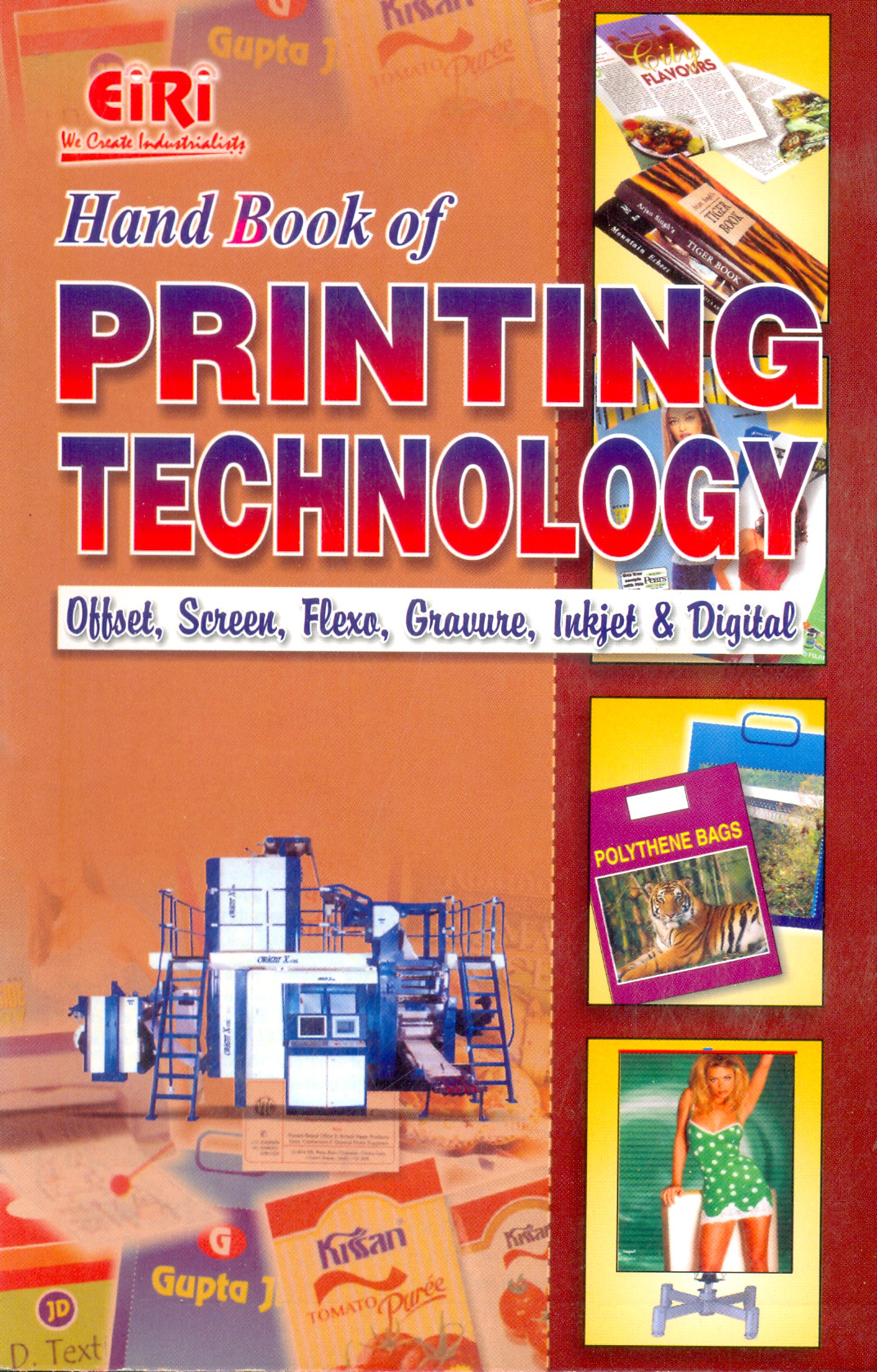
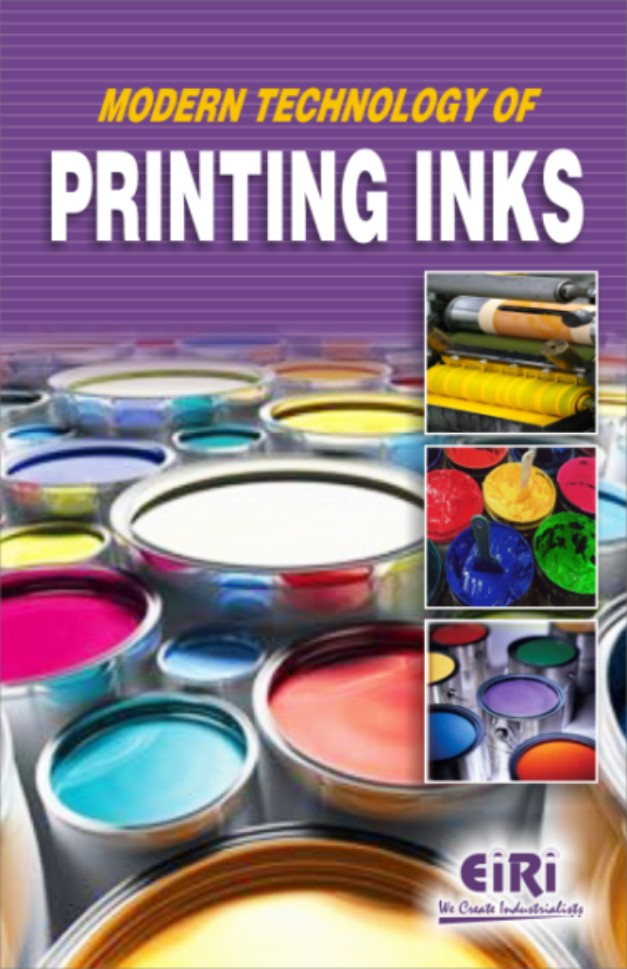
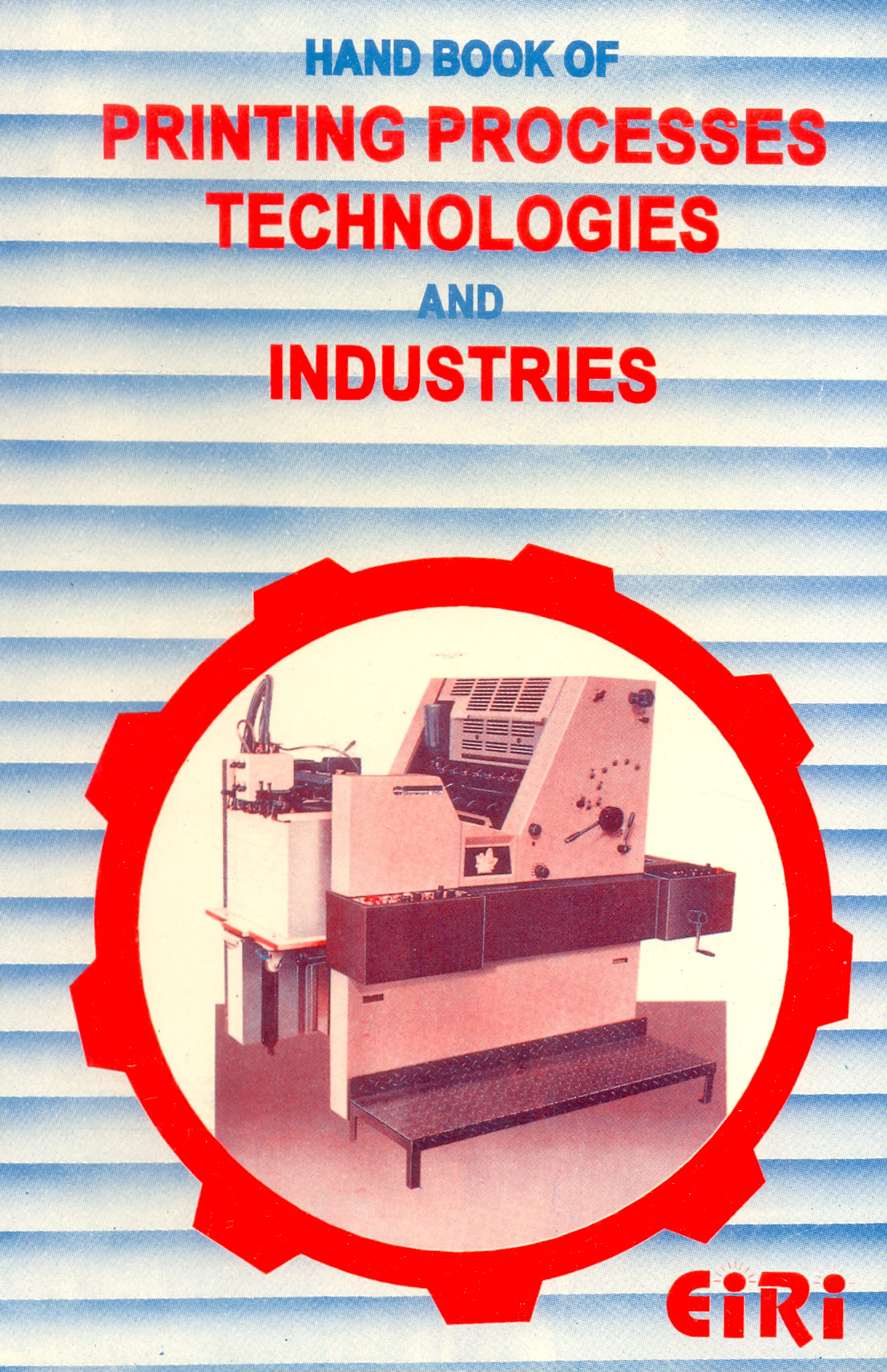
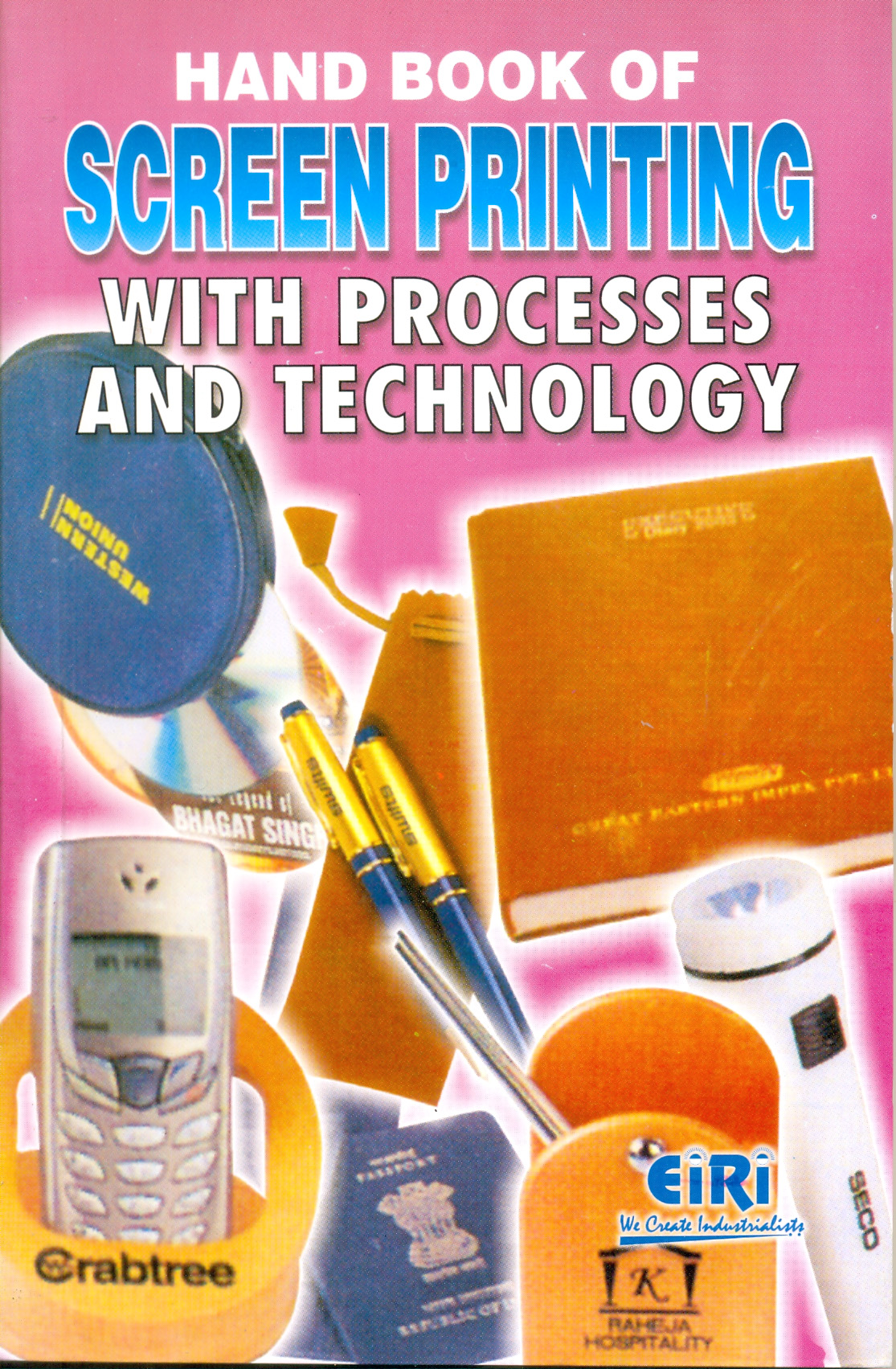
Printing technologies. The handbook of printing technology spans offset, screen, flexo, gravure, inkjet and digital, while dedicated guides cover offset printing technology including prepress and platemaking, screen printing, prepress, and the broader printing processes, technologies and industries. The ink side is covered in modern technology of printing inks.
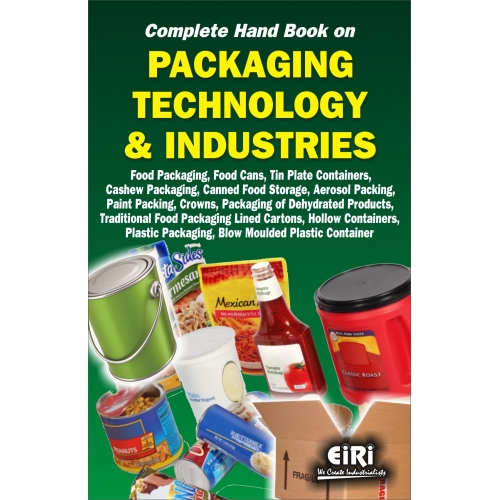
Packaging manufacturing. On the packaging side, the category covers packaging technology, the complete handbook on packaging technology and industries, corrugated boxes, folding cartons and lined cartons, food packaging technology, and packaging for processed food, bakery, snacks and spices.
Each covers the process technology, the equipment involved, materials and consumables, and the quality parameters that matter for commercial print and packaging work. Because the sector spans several technologies, the handbooks let you choose a process suited to your capital and target market — screen printing at modest scale, offset for volume commercial work, or carton and corrugated box making tied to local manufacturers who need packaging.
Printing and packaging units require standard business registrations, and packaging intended for food contact must meet food-grade material and safety requirements. Ink and solvent handling may bring environmental and safety considerations depending on the process. Confirm the requirements relevant to your process and end market before investing.
It depends on capital and market. Screen printing can start at modest scale, offset suits higher-volume commercial work, and carton or corrugated box making ties directly to local manufacturers needing packaging. The handbooks cover the range so you can match a process to your situation.
Packaging demand tracks food processing, FMCG, pharmaceuticals and e-commerce simultaneously, which makes it one of the steadiest manufacturing categories. Corrugated boxes and cartons in particular have broad, recurring industrial demand.
They are different printing technologies suited to different products and volumes — offset for high-quality volume printing, screen for versatile short-run and specialty work, and flexo and gravure for packaging and continuous materials. The printing technology handbook covers all of these.
Yes. Packaging that contacts food must meet food-grade material and safety requirements. If you intend to supply the food industry, build these requirements into material selection from the start.
Yes. Alongside these handbooks, EIRI prepares customised Detailed Project Reports for printing and packaging units, suitable for finance and scheme applications and matched to your process, capacity and location.
Browse the handbooks above to find the guide for your intended process. Each can be purchased and downloaded, or request a free sample to review the depth first. For bank-ready project reports or customised documentation, send us your requirement.
Speak with our experts and get personalized guidance for your manufacturing business idea, project planning, machinery selection, and investment strategy.