Plastics are everywhere in modern manufacturing, and that ubiquity is the opportunity. From packaging and pipes to films, moulded goods and engineered components, plastic processing serves nearly every other industry, and the sector offers an unusually wide choice of processes — injection moulding, blow moulding, extrusion, rotational moulding and more — each suited to different products and scales. Two currents are reshaping the field right now: recycling, as plastic-waste regulation tightens, and biodegradable plastics, as bans on conventional single-use items create demand for alternatives. Both open fresh entry points alongside the established processing routes.
This is one of EIRI's largest technical categories, and the handbooks — prepared by consultants with more than 45 years of industrial project experience — span the full range of plastic processing.
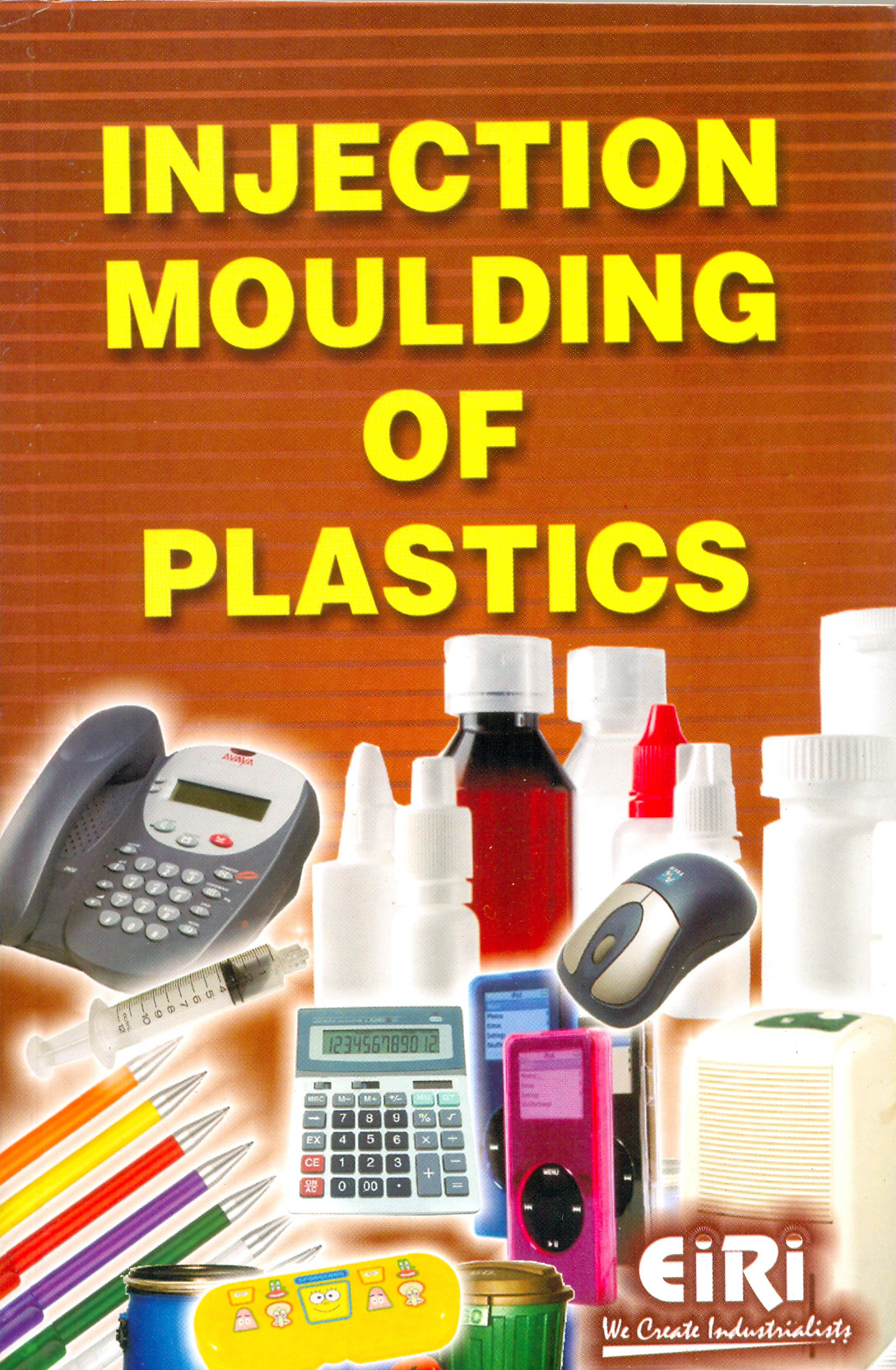
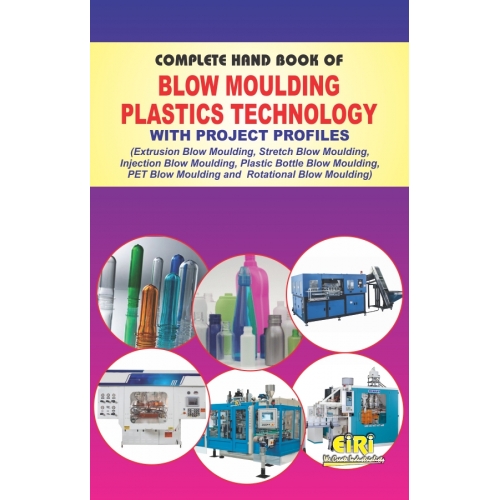
Core processing methods. The category covers injection moulding, blow moulding, extrusion and extruded products, rotational moulding, the combined injection moulding, blow moulding, extrusion and plastic pipes handbook, and moulds design and processing. A 14-book bundle brings many of these together.
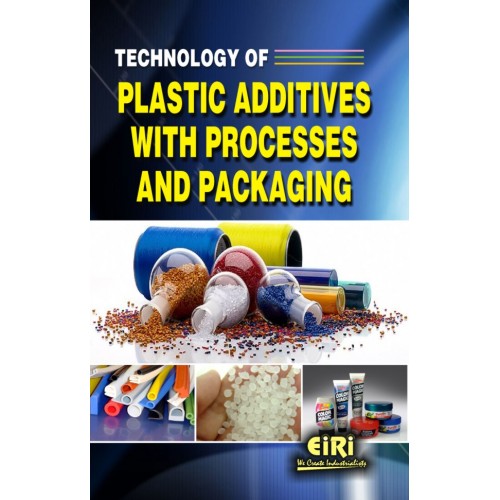
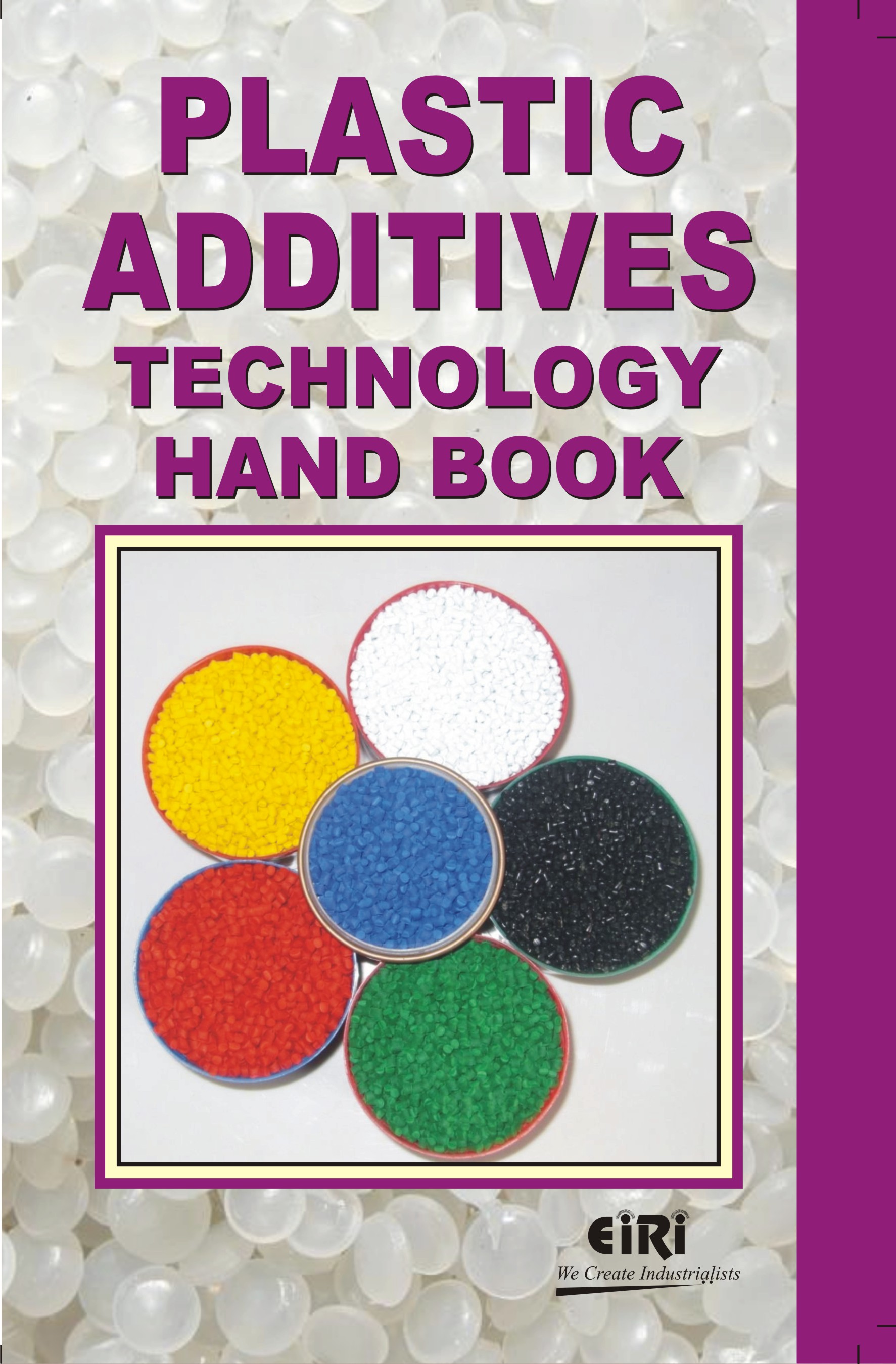
Materials, compounding and additives. These include the handbook of plastic materials and processing technology, polymer and plastic technology, PVC compounding, plastic compounding and masterbatches, plastic additives technology, plastic additives with processes and packaging, identification of plastics and plastic products, and identification of plastics including polystyrene and nylon.
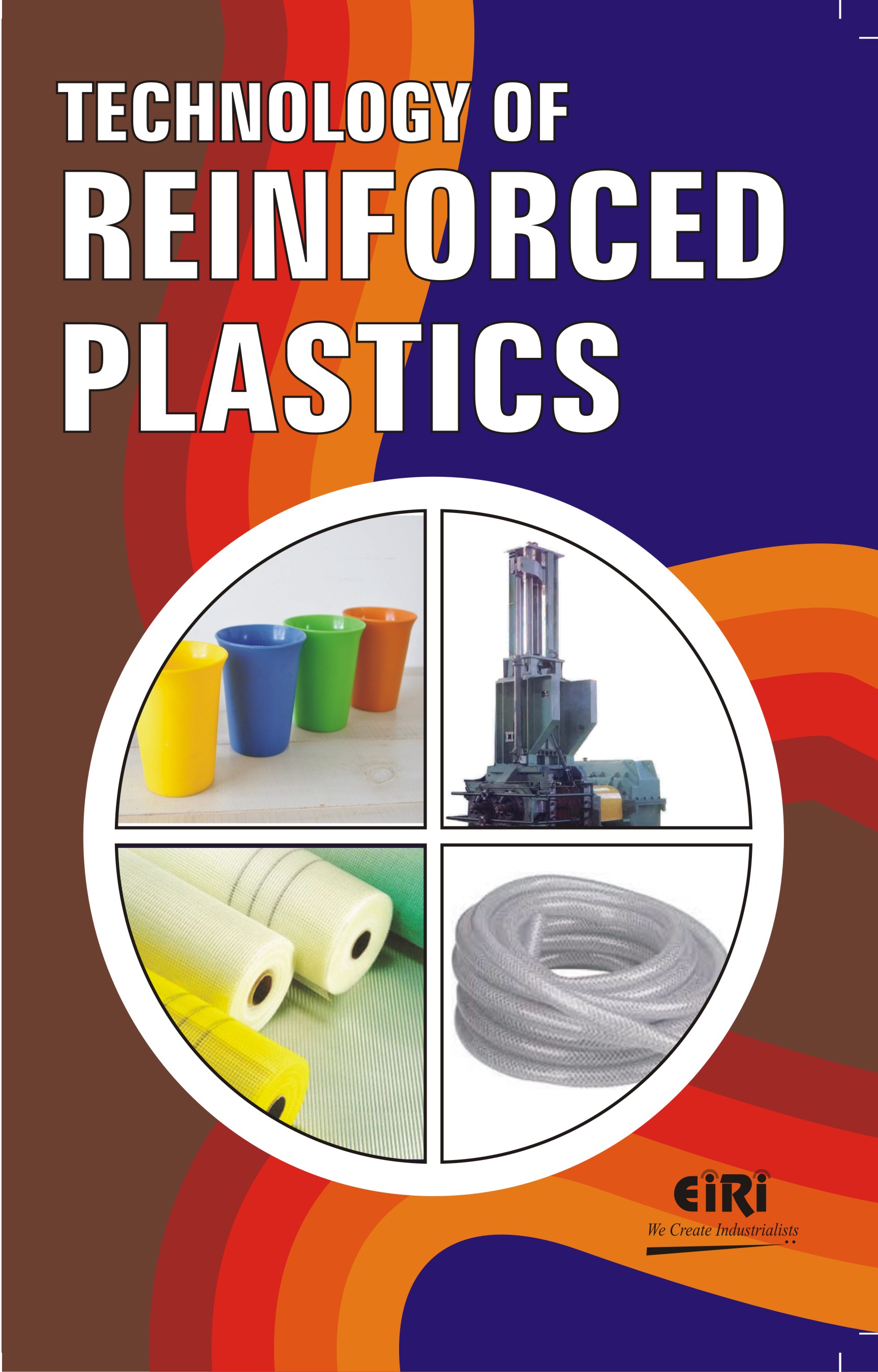
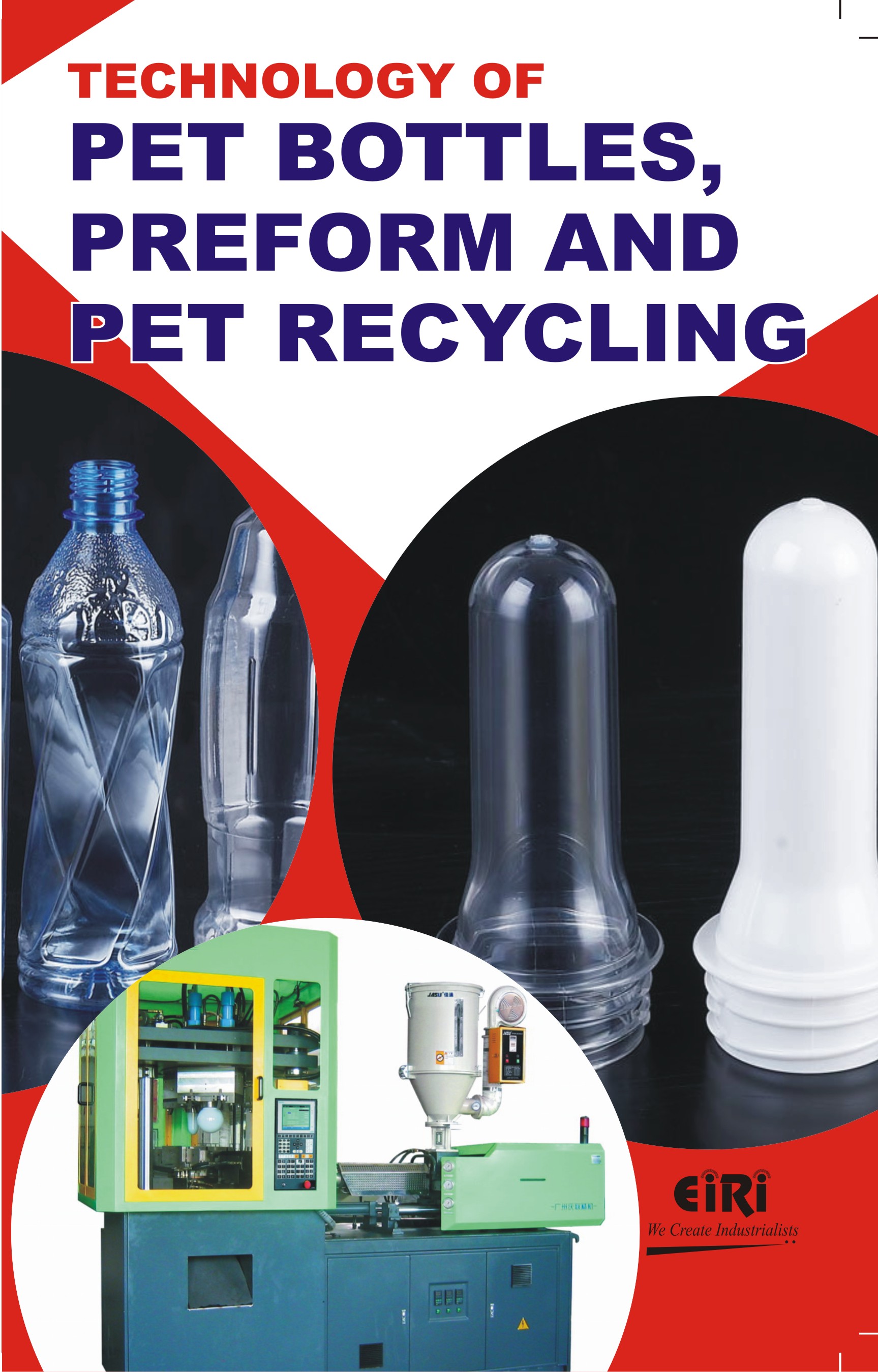
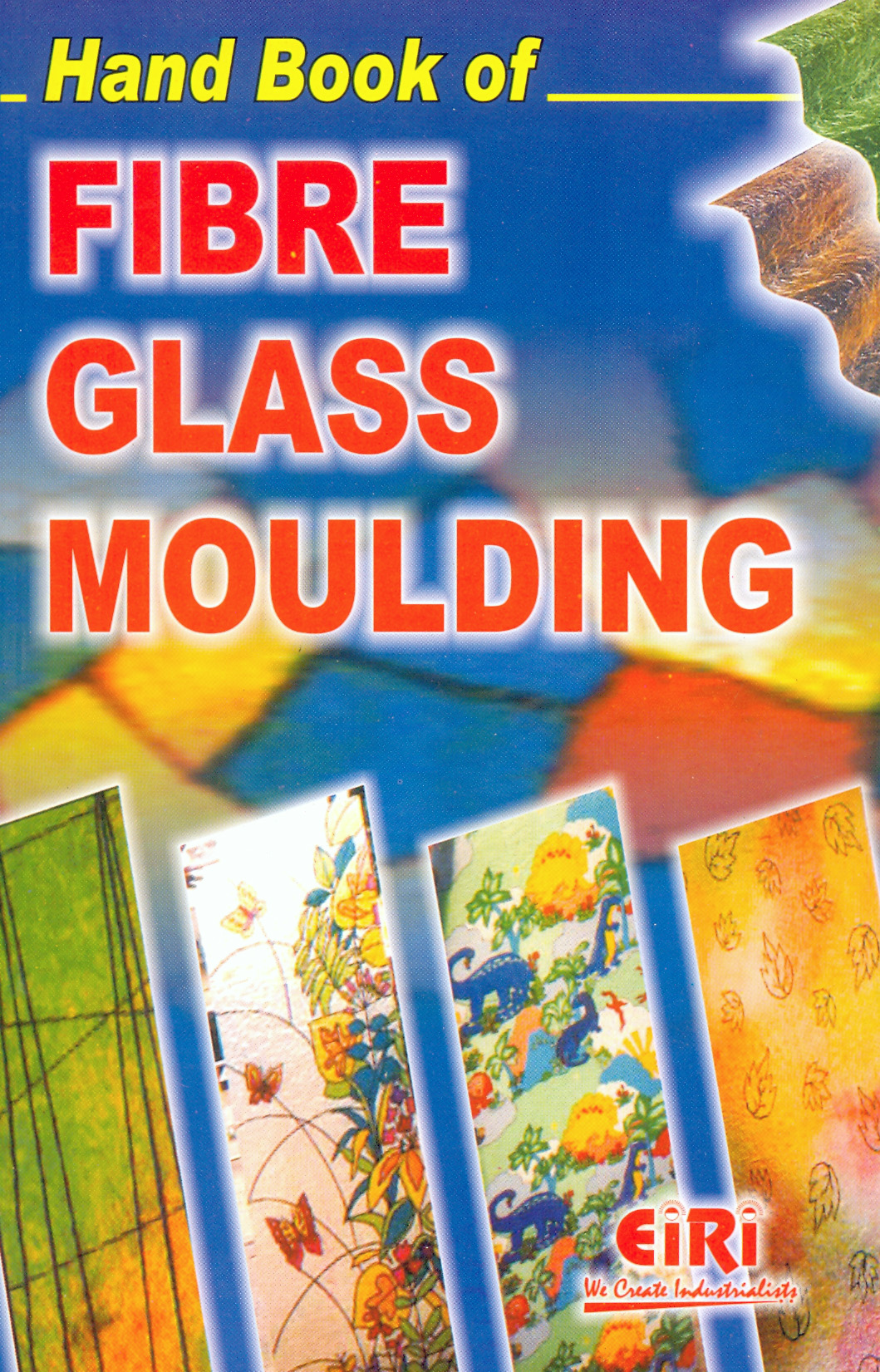
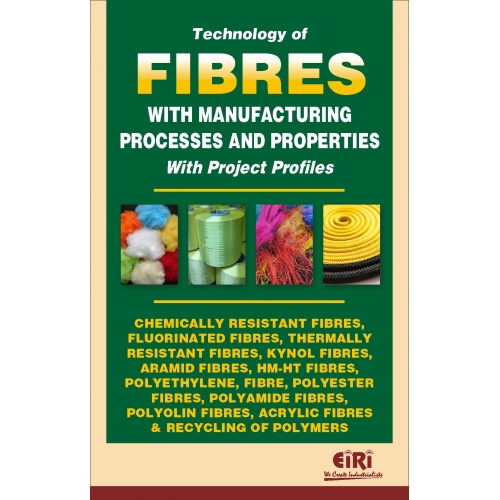
Products: films, pipes, PET and reinforced plastics. These include plastic films, PET bottles, preforms and PET recycling, plastic processing and packaging, reinforced plastics, fibre glass moulding, technology of fibres, and specialised products in disposable medical products and the contraceptive industry.
Recycling and biodegradable plastics. The growth edges of the sector are covered in plastic waste recycling technology, the complete handbook of plastics processing and recycling, biodegradable plastics and polymers, and biodegradable plastics and bioplastics technology including polylactic acid.
Resins. Related material technology is covered in synthetic resins technology with formulations and synthetic resins and emulsion polymers.
Each covers the process technology, the materials and their properties, the plant and machinery, and quality parameters for its area. Because plastic processing spans so many methods, the handbooks let you match a process to your product and capital — injection moulding for precision parts, extrusion for pipe and film, PET for bottles, or recycling and biodegradables for the sector's growing sustainability-driven demand.
Plastic processing units require standard business registrations and environmental clearances, with the latter increasingly significant as plastic-waste rules tighten — recycling operations in particular carry specific environmental and registration requirements. Products for food contact or medical use must meet the relevant material and safety standards. Confirm the requirements for your process and product before investing.
It depends on your product and capital. Injection moulding suits precision parts, extrusion suits pipes and films, PET suits bottles, and recycling and biodegradable plastics suit the sector's sustainability-driven demand. The handbooks cover the range so you can match a process to your market.
Plastic recycling is a growing opportunity as waste regulation tightens and demand for recycled material rises. Viability depends on feedstock supply, process cost and the specific environmental approvals required. Dedicated recycling and PET-recycling handbooks cover the technology.
Restrictions on conventional single-use plastics have created demand for biodegradable alternatives faster than supply has developed, which makes it a promising area. The biodegradable and bioplastics handbooks cover the technology, including polylactic acid and starch-based plastics.
They are different moulding processes suited to different products — injection moulding for solid precision parts, blow moulding for hollow items like bottles, and rotational moulding for large hollow products like tanks. Dedicated handbooks cover each process.
Yes. Alongside these handbooks, EIRI prepares customised Detailed Project Reports for plastic processing, moulding, PET, film, recycling and biodegradable plastics units, suitable for finance and scheme applications and matched to your process, capacity and location.
Browse the handbooks above to find the guide for your intended process. Each can be purchased and downloaded, or request a free sample to review the depth first. For bank-ready project reports or customised documentation, send us your requirement.
Speak with our experts and get personalized guidance for your manufacturing business idea, project planning, machinery selection, and investment strategy.