Paper has quietly become a growth industry again. As packaging shifts away from plastic and e-commerce drives demand for boxes and cartons, paper, paperboard and paper-based products are seeing renewed, structural demand — even as conventional writing and printing paper matures. For an entrepreneur, the sector spans everything from pulp and papermaking to converting paper into cartons, boxes and finished products, with entry points at very different scales and capital levels.
These handbooks cover pulp, paper and paper-based product manufacturing, prepared by EIRI's consultants with more than 45 years of industrial project experience.
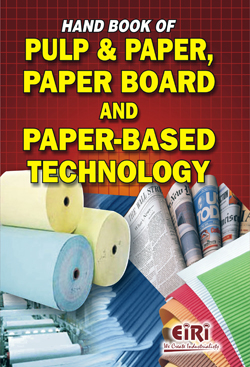
The handbook of pulp and paper, paperboard and paper-based technology covers pulping, papermaking and paperboard, while the complete manufacturing technology book on corrugated boxes, folding cartons and lined cartons covers the converting side — turning paperboard into the packaging that FMCG, food and e-commerce all depend on.
Papermaking from pulp is capital-intensive and scale-sensitive, while paper converting — making boxes, cartons and finished paper products from purchased board — is far more accessible and ties directly to local manufacturers who need packaging. Corrugated box making in particular has broad, recurring industrial demand and is a common entry point. The handbooks cover both the pulp-and-paper base and the converting products built on it.
Pulp and paper mills are subject to significant environmental and effluent regulation given water use and process chemicals, and require pollution-control clearances. Paper converting units have a lighter footprint, needing standard business registrations and, for food-contact packaging, food-grade material compliance. Confirm the requirements for your specific activity and location before investing.
Paper and paperboard are seeing renewed demand as packaging shifts from plastic and e-commerce grows. Profitability depends on the segment — converting products like boxes and cartons have broad recurring demand, while primary papermaking is more capital- and scale-sensitive. The handbooks cover both.
Yes, it is one of the more accessible entries into the paper sector. Corrugated boxes have broad, recurring industrial demand from manufacturers needing packaging, and converting purchased board is far less capital-intensive than primary papermaking. A dedicated handbook covers the technology.
Yes. Pulp and paper mills are subject to significant environmental and effluent regulation given water use and process chemicals, and require pollution-control clearances. Paper converting units have a much lighter regulatory footprint.
Yes. Alongside these handbooks, EIRI prepares customised Detailed Project Reports for pulp, paper and paper-converting units including corrugated boxes and cartons, suitable for finance and scheme applications and matched to your capacity and location.
Browse the handbooks above to find the guide for your intended product. Each can be purchased and downloaded, or request a free sample to review the depth first. For bank-ready project reports or customised documentation, send us your requirement.
Speak with our experts and get personalized guidance for your manufacturing business idea, project planning, machinery selection, and investment strategy.