Soap and detergent is the classic starting point for a manufacturing entrepreneur, and for sound reasons: everyone uses it, demand never dips, the products can be made at genuinely small scale, and the formulations are well understood. From washing and toilet soap to detergent powders, liquid detergents, dishwash and cleaning products, this is a category where a modest, well-run unit can carve out a regional market against national brands on price and freshness. What makes the difference is the formulation and the quality consistency — and that is exactly what these handbooks provide.
This is one of EIRI's most popular categories for first-time manufacturers, and the handbooks are prepared by consultants with more than 45 years of industrial project experience.
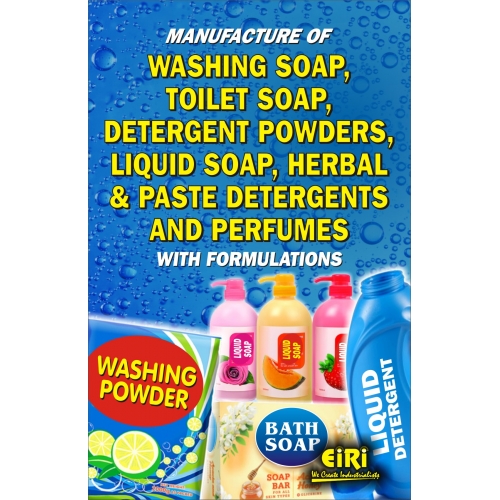
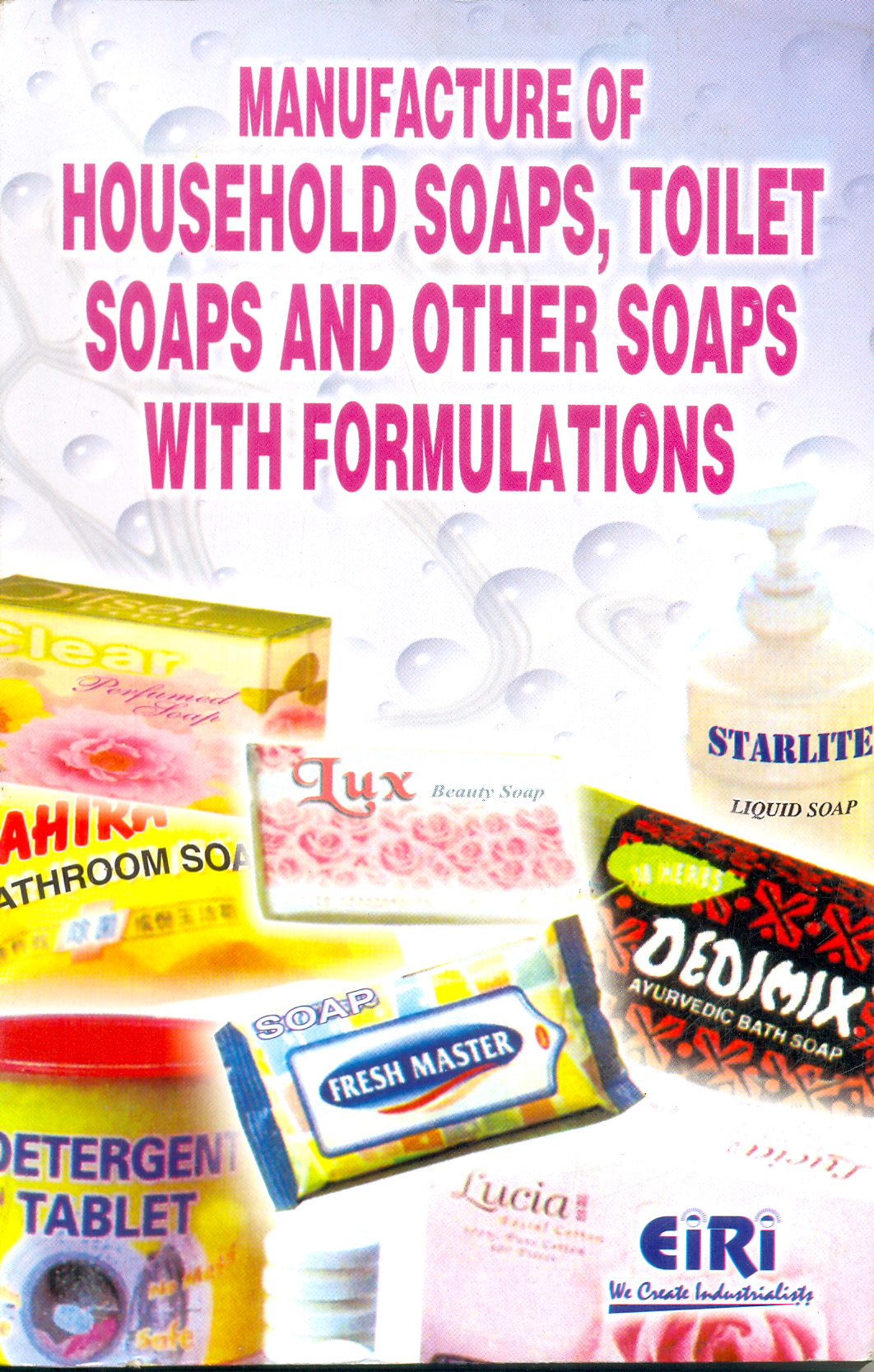
Soaps. The category covers household soaps, toilet soaps and other soaps with formulations, and the combined washing soap, toilet soap, detergent powders and liquid soap handbook.
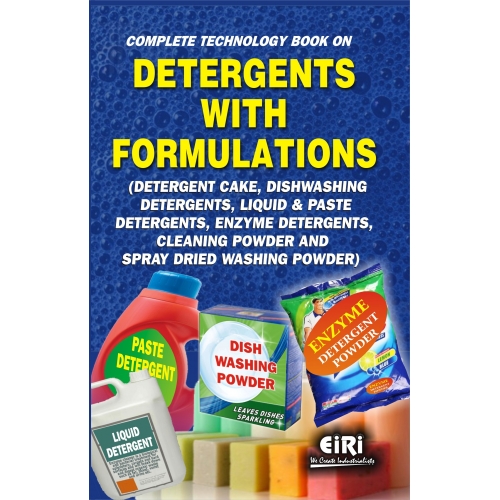
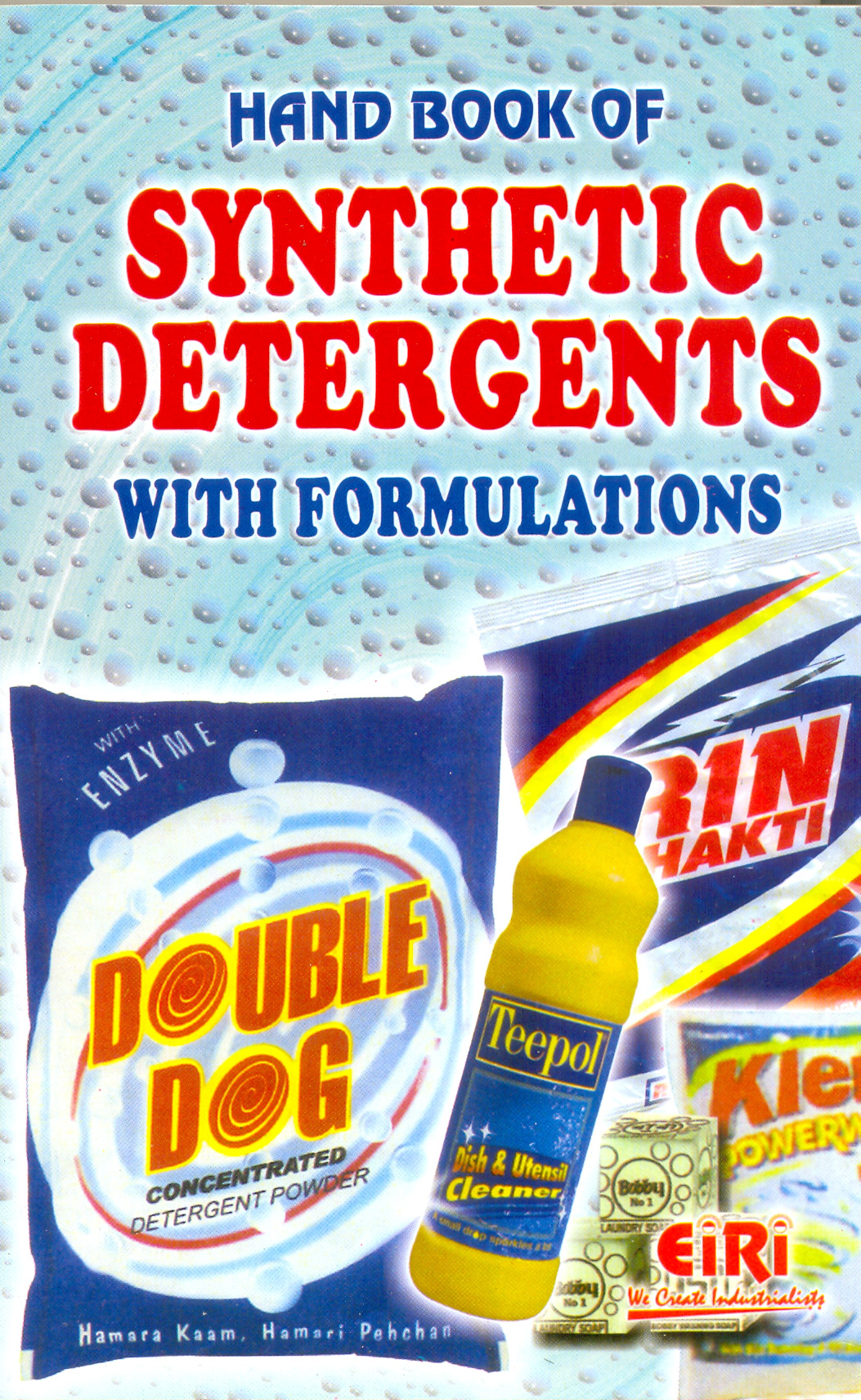
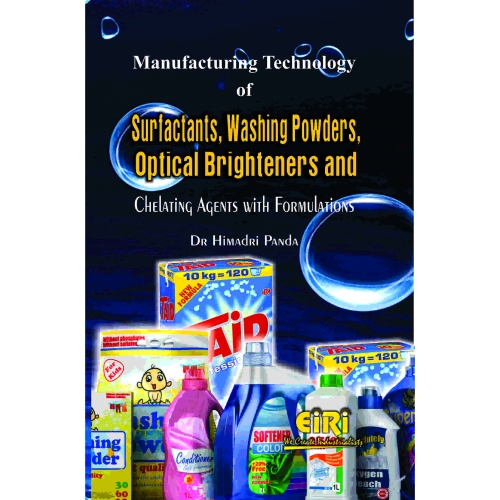
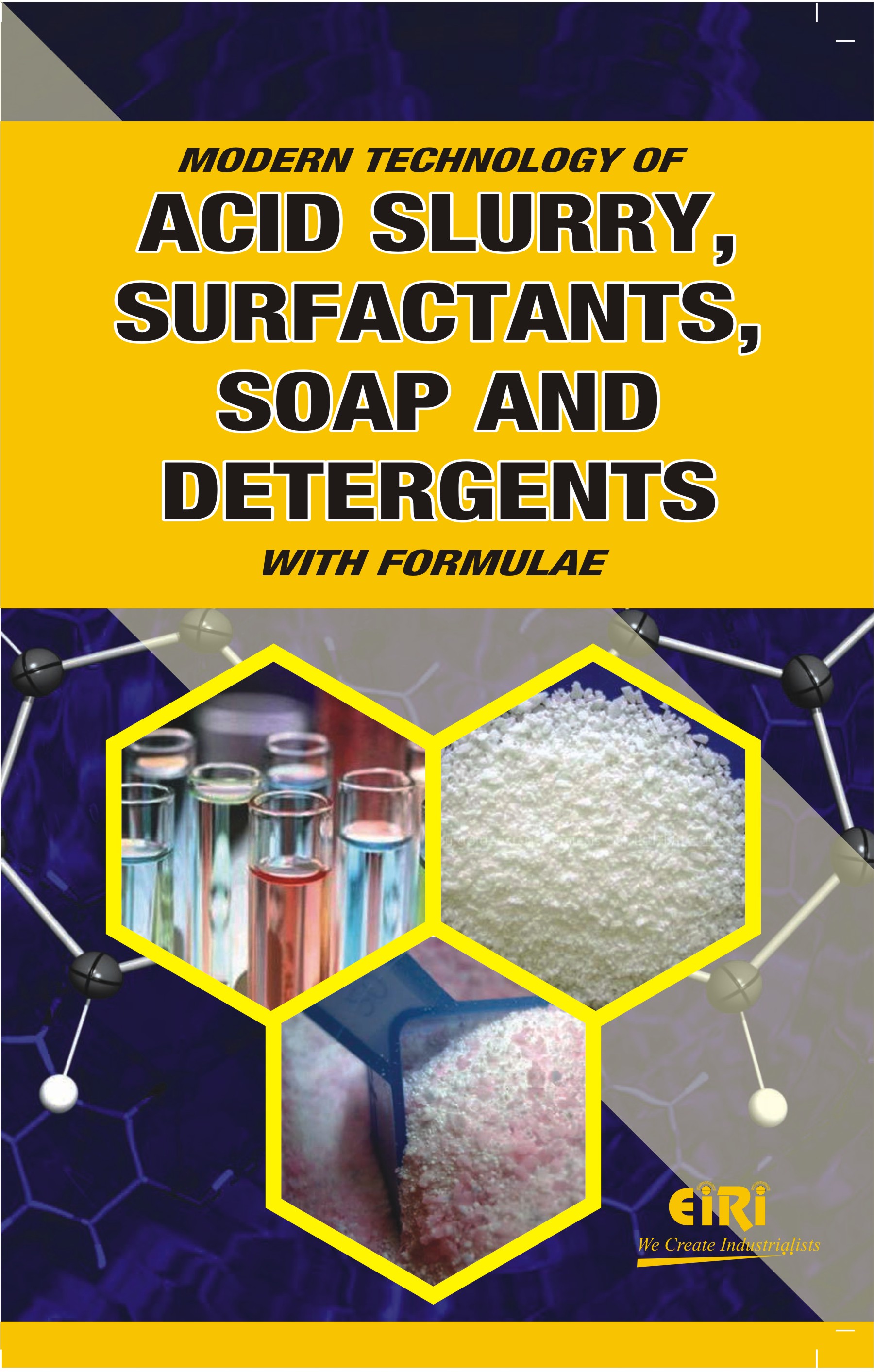
Detergents and surfactants. These include detergents with formulations covering detergent cake and dishwashing products, synthetic detergents with formulations, acid slurry, surfactants, soap and detergents, and surfactants, washing powders, optical brighteners and chelating agents.
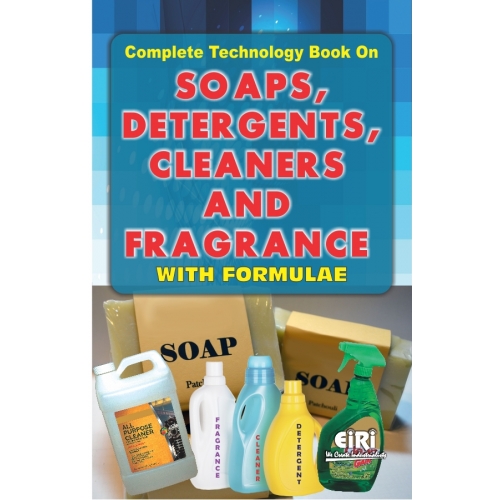
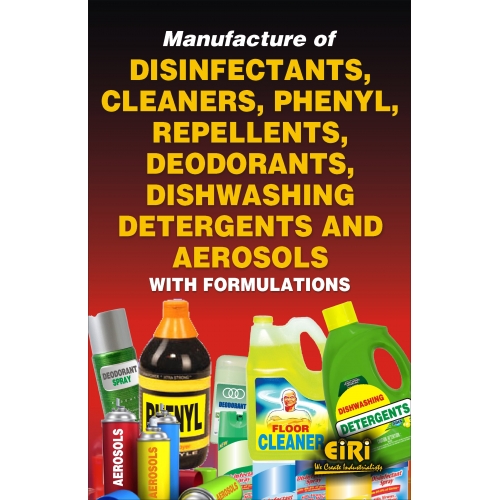
Cleaners and combined references. These include soaps, detergents, cleaners and fragrances, disinfectants, cleaners and phenyl, and profitable small scale manufacture of soaps and detergents.
Soap and detergent products combine universal, recurring demand with well-established formulations and a low barrier to entry. A unit can start small — even at cottage scale for some products — and grow with distribution, and locally made products compete with national brands on price and responsiveness. The handbooks give the formulations, raw materials, process and machinery so an entrepreneur can produce consistent, saleable products from the start.
Soap and detergent manufacturing requires standard business registrations, and some products fall under cosmetics or consumer-product regulation depending on their nature and claims. Environmental clearances may apply depending on scale and process. Confirm the requirements for your products and location before investing.
These are universal, recurring-demand products, and locally made soaps and detergents can compete with national brands on price and freshness within a region. Profitability depends on formulation quality, cost control and distribution. It is one of the most established entry points for a first-time manufacturer.
Yes. Several soap and detergent products can begin at small or even cottage scale, subject to registration, and grow with distribution. The handbooks help you understand the formulations and equipment for a realistic starting scale.
Soap is made from fats and oils reacted with alkali, while synthetic detergents are built from surfactants and perform better in hard water. The handbooks cover both, along with the surfactants and acid slurry that detergents are based on.
Yes. Formulations are central to this category, and the handbooks set out the recipes, raw materials and processes behind soaps, detergent powders, liquid detergents, dishwash and cleaning products.
Yes. Alongside these handbooks, EIRI prepares customised Detailed Project Reports for soap, detergent and cleaning-product units, suitable for finance and scheme applications and matched to your products, capacity and location.
Browse the handbooks above to find the guide for your intended product. Each can be purchased and downloaded, or request a free sample to review the depth first. For bank-ready project reports or customised documentation, send us your requirement.
Speak with our experts and get personalized guidance for your manufacturing business idea, project planning, machinery selection, and investment strategy.