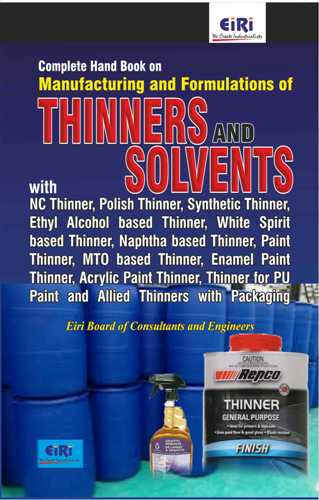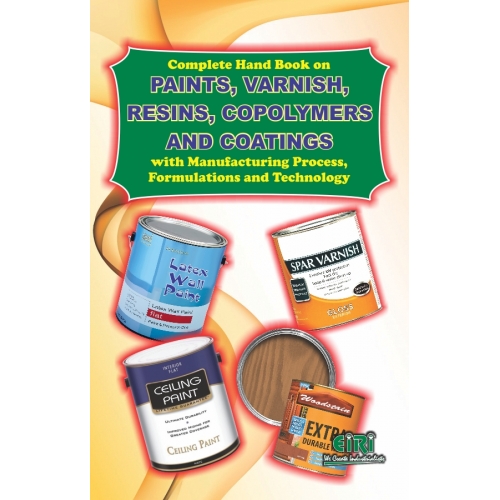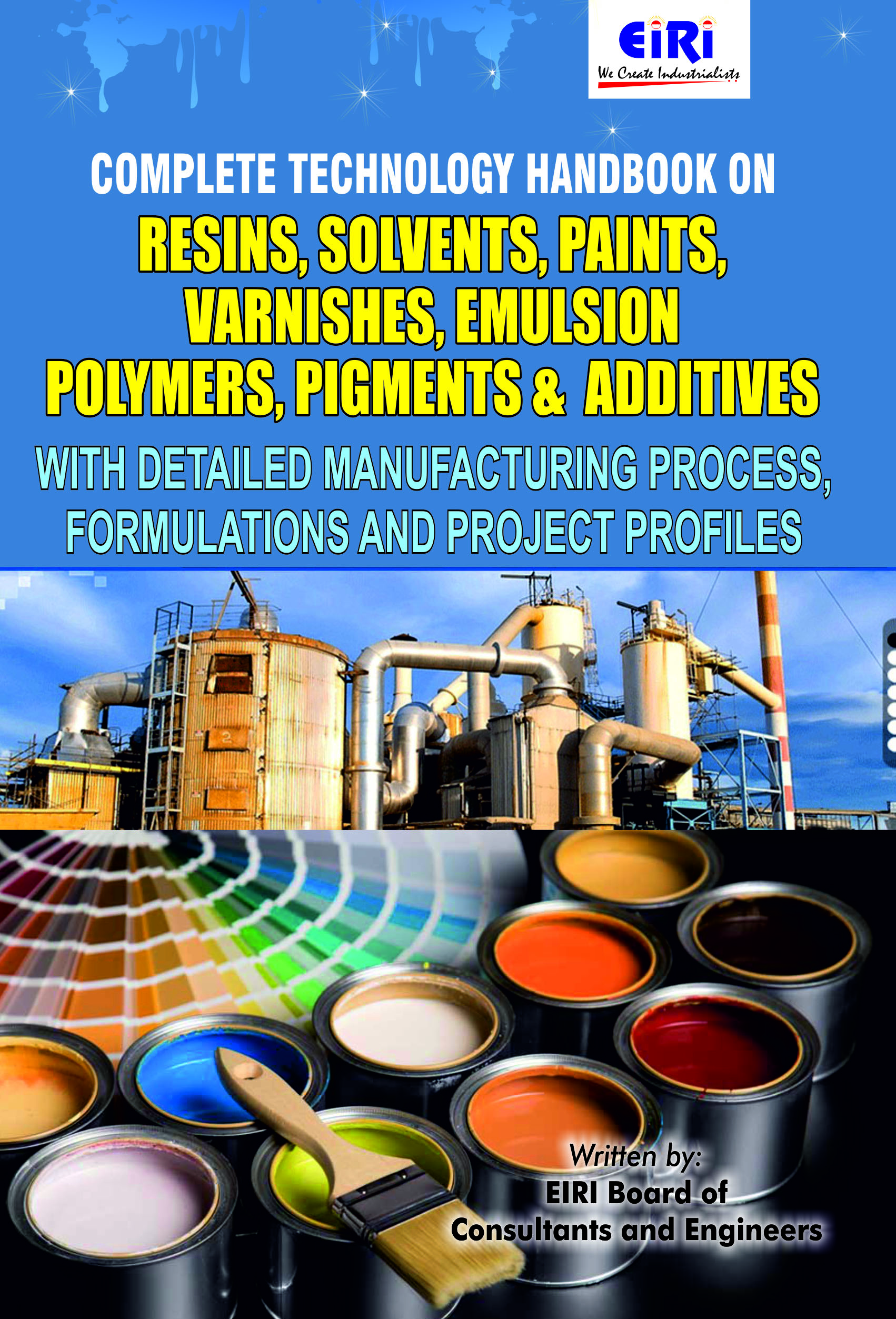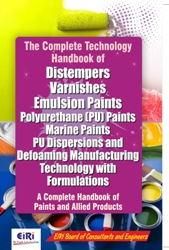
The Complete Technology Hand Book of Distempers, Varnishes, Emulsion Paints, Polyurethane (PU) Paints, Marine Paints, PU Dispersions and Defoaming Manufacturing Technology with Formulations (A Complete Hand Book of Paints and allied Products)
Why Choose Us
- More than 45 years of experience
- Managed by expert industrial consultants
- ISO 9001-2015 Certified
- Registered under MSME, UAM No: DL01E0012000
How We Work
- 24/5 Research Support Get your queries resolved from an industry expert. Ask before you purchase.
- Custom Research Service Speak to our consultants to design an exclusive study for your needs.
- Quality Assurance All reports are prepared by qualified consultants & verified by experts.
- Information Security Your personal & confidential information is always safe and secure.
Product Description
Distemper is a decorative paint which is often used in making buildings and construction segment. It is also referred as cement paint as it can be used on cement walls. It is regarded as a better product than whitewash but somehow inferior to oil and emulsion paints. Distemper is cheaper than other alternative of paint which is its great strengths driving the market. Its high durability making it further capturing the market. It is used directly applied on a cement surface without any preparations.
The Complete Technology Hand Book of DISTEMPERS, VARNISHES, EMULSION PAINTS, POLYURETHANE (PU) PAINTS, MARINE PAINTS, PU DISPERSIONS AND DEFOAMING MANUFACTURING TECHNOLOGY WITH FORMULATIONS (A Complete Hand Book of Paints and Allied Products)
Colours have fascinated mankind, too, at times a point of obsession from the colors of nature down to chemical pigments dying your hairy crowns further down to keeping your favorite Cars in any sunshine shimmer, it has been the story of colors. Paints are just a revolutionary way which man through his intelligence has devised to continue partaking to enjoy one of the natures most recherche gifts - colors. But besides the visual impact, painting has an entire gamut of functions and roles associated with it. Paints can best be understood in terms as a pigmented liquid composition which is converted into an opaque solid film after application as thin layers. It is a carefully balanced combo of pigments, resin, solvents, and additives. So why should one paint? Paints are essential for the decoration and protection of the majority of manufactured goods and architectural and industrial structures.
According to end use, paints can be classified into two - Architectural paints and industrial paints. While the surfaces or substances they are used on, may be different, they serve the same basic objectives - decoration and protection. Industrial painting is complete requirement based and there are various types of industrial paints available in the market.
The type of paints applied, for example, may vary from say an operation theatre to a boiler room or a coir product. It is always best to consult a manufacturer to recommend or develop paint required for a specific purpose. Stoving enamels, Epoxy paints, Bituminous paints, Polyurethane paints and Thermoplastic paints like vinyl paints, chlorinated rubber paints, etc., are a few to mention.
Architectural paints are further divided broadly into interior and exterior paints. The former is basically applied to walls and other home products finished in wood, plastic or metal.
While solvent-based paints or enamel paints are used for wood and steel, water-based systems are for walls. Clear wood finishes like polyurethane and melamine are used for wooden furniture and accessories to retain the natural appearance of wood surfaces. For walls, you have a choice between distemper paints - oil bond as well as acrylic - and emulsion paints in matt and sheen finishes. Paints for exterior applications (outer walls, facades of homes buildings, etc. ) include the conventional cement paint, texture finishes and acrylic emulsion paints with varying durability and cost. Choose an exterior paint that offers an excellent resistance to sunlight as UV rays could lead to discoloration and degradation. Resistance to rain and humidity, super antifungal and drying properties are the other requisites, to look for, especially in tropical climes like ours.
We love to see colour. Colour plays an important role in our life. We are very careful about selecting Colours for our walls. We are all very anxious how the Colours of Tapestries, Carpets, etc., match the color of surrounding walls.
Colour can make an area or object appear nearer or further away. Light Blues & Violets tend to recede and bright or dark colors appear to advance. This aspect is of value in decorating through the illusion of making a small room appear larger or a large rock seem smaller by simply changing the color. It can create the impression of warmth and coolness. Blues and Greens appear cool and Yellow appears warm. Dark Colours absorb more heat-rays. A black article if kept in Sun will be hotter sooner than an article painted White.
The use of color in trademark products and corporate image is wide-spread. Other uses of color identity are by coding of pipelines.
CONTENTS
1. Manufacturing of Emulsion Polymer
- Introduction
- Emulsion polymerization
- Various factors affecting the emulsion poly-merization:
- Process controls
- Agitation system
- Temperature control
- Rate of addition
- Quality of water
2. Polyurethane Formulations Based on Different Resins
3. Extenders-Calcite
4. Liquid Epoxy Coatings Manufacturing
- Introduction
- Advantages of solvent free epoxy coatings
- Low porosity film formation
- Higher barrier property
- High bond strength
- Abrasion resistance
- Applications of solvent free epoxy coatings
- Pipeline coatings
- Floor Coatings
- Structural protective coatings
- Treatment tanks & vessels and water storage
- Pipe repair and rehabilitations
- Challenges
5. Extender Technology
- Introduction
- Extender Technology
- Sources
- Nodular
- Acicular
- Flat platy
- Fibrous
- Particle size
- Particle surface area
- Hardness
- Chemical effects
- Aesthetics and opacity
- Surface treated extenders
- Nano clays
6. Paint Marketing
- Decorative paints selling
- Let us study the different types of discount
- Gimmicks in the trade
- Industrial paints selling
- Hi performance coatings
- OEM Coatings
7. Formulations for Different Paints and Primers
8. Polyurethane Dispersions
- Technology
- Cationic
- Non-ionic
- Anionic
- Process
- Solution process
- Prepolymer mixing process
- Ketimine/ Ketazime Process
- Hot melt process
- Polyol & Polyisocyanate
- Polyisocyanate
- Polyol
- Acrylic modification of polyurethane
- Post curing of PUD
- Aziridines
- Carbodiimides
- Siloxane crosslinking
9. Rheology Modifier for The Paint Industry
- Benefits of water borne system
- Dispersion of Rheoluc particles
- Hydration of Rheoluc particles
- Viscosity of Rheoluc solution vs sheer
- Viscosity of Rheoluc solution vs concentration of
- Rheoluc
- Viscosity of Rheoluc solution vs temperature
- of the solution
- Effect of temperature on the viscosity of Rheoluc
- solutions
- Viscosity development of Rheoluc solutions vs
- granular size of the Rheoluc particles
- Advantage and benefits of Rheoluc
- Product specifications of Rheoluc
- Use of Rheoluc in wall putty
- Use of Rheoluc in cement paints
10. Processing of PU Paints
- Introduction
- Shainin DOE Tools
- Experimental
- Materials
- Processing of PU Paint
11. Marine Paints Manufacturing With Formulae
- Introduction to antifouling
- Types of marine coating
- Matrix soluble
- Continuous contact anti-foulings
- Life-time two - coats
- Organometallic toxicants in anti-fouling paints
- Chemical formula
- New trends in anti-fouling
- Economic loss because of fouling growth
12. Banned Chemicals and Their Alternatives in Paint Industries
- Introduction
- Paint Industry
- Fillers
- Asbestos
- Banned asbestos
- Applications
- Flame retardants
- Banned flame retardants
- Exposure
- General population
- Occupational exposure
- Hazards to Environment & Animals
- Hazards to Humans
- Alternatives
- Alternatives for Halogenated Flame Retardants
- Short Chain Chlorinated Paraffins (SCCP)
- Alternatives for Other Flame Retardants
- Plasticisers
- Exposure
- Alternatives for DEHP
- Alternatives for DPB
- Alternatives for BBP
- Other Safe Plasticizers
- Blowing agents
- Applications
- Banned blowing agents
- Environmental issues
- Pigments
- Applications
- Banned pigments
- Exposure
- Lead & chromates
- Antimony
- Process Chemicals
- Health effects of solvents
13. Heat Seal Coatings Process
- Introduction
- Types of heat seal coatings
- Essential features of all heat seal coatings
- Typical heat sealing process
- The heat-sealing process consists of three steps
- Different seal strengths can be achieved by
- Thermoplastic resins to give sal ability
- Additives
- Parmeters involved in heat sealing
- Other Considerations in Sealing
- Packaging materials for heat sealing
- Additives, substitutes and super consultants
14. Tips on Low Cost Paints
- Cost reduction in enamel paints
- Pigments as a cost reduction tool
- Manufacture of distemper
15. Polymeric Blends from Renewable Resources (Cashew Nut Shell Liquid)
- Introduction
- Blend
- Advantages of Blending
- Making Polymers Mix
- Properties of Blends
- Renewable resources
- Composition of CNSL
- Decarboxylaiion
- Hydrogenation
- Polymerisation
- Etherification
- Halogenation
- Epoxidation
- Esterification
- Miscellaneous Reactions
- Polymerization Characteristics of CNSL
- Industrial Significance of CNSL
- Applications of CNSL based coatings
- Rubber compounding
- Plastic material and additives
- Ketonic resin (Cyclohexanone formaldehyde)
- Applications of Ketonic Resins
- Natural polymer blends
- Different Types of Blends
- Need of the hour
- Prognosis
16. Defoaming Technology
- Foaming or defearning
- Theoretical approach
- Destabilize foam factor
- Gravity force
- Foam stabilizing factors
- Marangoni effect
- Static effect
- Criterias to be a defoamer
- Compromises in using defoamers
- Defoamers
17. Resins & Additives for Metallic Plastic Paint
18. Tests for Surface Coated Materials and Their Methods
- Introduction
- Necessity of weathering tests
- Weathering tests
- Natural or outdoor weathering
- Laboratory or accelerated weathering
- Blue wool scale
19. Formulations of Emulsion Paints
- High Thixotropic Emulsions
- Thixtropic Paint Emulsions
- Thixotropic Emulsion Paints
- Anti-Efflorescent For Roofing Tiles
- Paint For Cement Roofing Tiles (Anti-Efflorescent)
- Gloss Paints
- "Core" latex Emulsions
- Gloss Paint Containing Ketone-Aldehyde Resin
- Pigment Grid
- Technical Acrylic Emulsions
- Acrylic Type Gloss And Semi-Gloss Emulsion Paints
- Acrylic Type Gloss Emulsion Paint
- Emulsion
- Addition of alkali Soluble Resin
- Properties (Paint)
- Emulsion With Added Key ing-A gent
- Emulsion Paint for Exterior Use
- Acrylic and Vinyl Acetate Co-polymers
- Exterior Sand Paint
- Emulsion Paints for Interior Use
- Interior Emulsion Paint (Styrene-Acrylic Emulsion)
20. Distempers Manufacture with Formulations
- Introduction
- Dry distemper
- Paste Distemper
- Glue
- Casein
- Oil-free Distempers
- Oil-bound Distempers
- Process of Manufacture of Oil-Free Distempers
- (A) Casein-based Distempers
- Red Pigments
- Yellow Pigments
- Green Pigments
- Blue pigments
- Black pigments
- Dry Distemper (Light-Yellow or Prime-rose colour)
- Oil-bound Distempers
- Gamma Protein
- Casein-bound Distempers
- Plastic Wall Distemper
21. Varnishes Manufacture with Formulations
- Introduction
- Oil Varnishes
- Resins
- Drying Oils
- Driers
- Thinners
- Manufacturing Procedure
- Disintegration or Size Reduction of the Resin
- Addition of Drying Oil
- Thinning
- Maturing
- Varnishes from Fused and Esterified Copals
- Tung Oil Ester Gum Varnish
- Types of Oil Varnishes
- Exterior Varnishes
- Interior Decorator’s Varnishes
- Church Oak Varnish
- Floor Varnishes
- Plating Varnish
- Flat Varnishes
- Gold Size
- Mixing Varnishes
- Sieving Varnishes
- -Cooking Procedure
- Alkyd Resin-short Oil Varnish
- Procedure for Resin Making
- Precautions during Manufacture
- Spirit Varnishes
- Spirit Mania Varnishes
- Shellac Varnishes
- Oxidized Rosin Varnishes
- Phenolic Rosin Varnishes
- Varnish Formulations
- Oleoresinous Varnishes
- Furniture Varnishes
- Furniture Varnish (Low Cost)
- Furniture Varnish (Better Quality)
- Water Resistant Furniture Varnish
- Furniture Varnish
- Aluminium Paint Varnishes
- Varnish for Aluminium Paint
- Varnish for Aluminium Paint for Interior Use
- Decorative Varnish for Tin
- Metal Decorating Varnish
- Varnishes for Metal and Wood Primers
- Water Resistant Varnishes
- Pure Phenolic - D.C.O.- Linseed Spar Varnish
- Modified and Pure Phenolic--D.C.O. Varnish
- Floor Varnishes
- Insulating Varnishes
- Clear Finish Insulating Varnish
- Insulating Varnish (Better Quality)
- Shellac Varnishes
- Electric Insulating Varnish
- Flexible Insulating Varnish
LIST OF TABLES
- Table 5.1: Role of extender pigments in coating
- Table 5.2: Major extender pigments and their properties
- Table 12.1: Alternatives for Halogenated Flame Retardants
- Table 12.2: Banned Blowing Agents
- Table 12.5: Banned Solvents
OTHER RELATED BOOKS
- * E-Mail: [email protected] & [email protected]
- *Website: www.eiriindia.org & www.industrialprojectreports.com
- LIST OF FIGURES
- Fig. 4.1: Epoxy amine reaction in 2K system
- Fig. 4.2: Representative examples of cross sectional and
- interface porosity as per CSA.Z.245.20-06
- Fig. 4.3: Traditional multilayer paint system results into
- permeability inside film when solvent is evaporated. 16
- Fig. 4.4: Creepage on either side of the scribe used for
- corrosion rating
- Fig. 4.5: Pull off adhesion test panels with results displayed on
- automatic pull off adhesion machine Posi Test AT-A screen.
- Fig. 4.6: Pulled out dollies (10 mm and 14 mm) showing pattern
- of coatings failure, major part of failure recorded from glue/
- adhesive which show very high adhesive and cohesive force
- Fig. 4.7: Pull off adhesion test data of a set of samples of solvent free epoxy coatings
- Fig. 4.8: Pull off Adhesion, abrasion resistance, salt spray resistance and cross section porosity of solvent free epoxy tested in 3M laboratory
- Fig. 4.9: The conventional versus solvent free VOC free epoxy
- coating for better environmental protection
- Fig. 4.10: Steel pipes coated with solvent free epoxy in redoxide
- Fig. 4.11: Self leveling solvent free epoxy floor coating on shop floor
- Fig. 4.12: Structures coated wilh highly durable solvent free epoxy coating
- Fig. 5.1: Common particle shapes of extenders
- Fig. 5.2: Aspect ratio of extender
- Fig. 5.3: Common filler particles
- Fig. 5.4: Particle size distribution of extenders
- Fig. 5.5: Particle size of extenders and their mechanism
- Fig. 5.6: Extender particle surface activity
- Fig. 10.1: Extent of sanding of first coat where the substrate has been exposed.
- Fig. 10.2: Lifting of the first coat of the paint film after repainting (PM).
- Fig. 10.3: No Film defect after repainting (PB)
- Fig. 12.1: Hazards of banned Chemicals 99
- Fig. 12.2: Chemical Structures of PBB, PCB, PBDE.
- Fig. 12.3: The largest Antarctic ozone hole recorded
- Fig. 12.4: Losses associated with Lead (effect on IQ)
- Diagram 16.1: Gibbs Equation On Elasticity
- Diagram 16.2: Process of destabilized force by gravity resulting
- in bubble bursting.
- Diagram 16.3: Process of developing stabilized force by
- Marangoni Effect
- Diagram 16.4: Process of developing stabilized force by Static
- Effect
- Diagram 165: Process of AFCONA Defoamers destabilizing
- bubbles to achieve defoaming effect.
- Diagram 16.6: Compatibility factor that influence the
- effectiveness and side effect of a defoamer.
- Diagram 16.7: Different molecular weight silicone used in
- different application.
- Diagram 16.8: Selection of defoamer on water based emulsion
- where defoamer A is much better than defoamer B on antifoam
- and defoaming effect