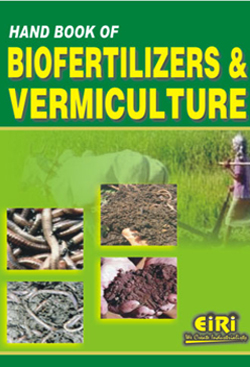
As agriculture shifts toward organic and sustainable inputs, biofertilizers and vermicompost have moved from niche to genuine commercial demand. Vermiculture — using earthworms to convert organic waste into nutrient-rich compost — is a low-capital, environmentally positive venture that turns agricultural and organic waste into a saleable product farmers increasingly want. For rural entrepreneurs and those with access to organic waste streams, it offers a business that is cheap to start, aligned with the organic-farming trend, and supported by government programmes promoting sustainable agriculture.
The handbook of biofertilizers and vermiculture covers the production of biofertilizers and vermicompost — the process, the organisms and inputs involved, and the technology to run it as a commercial venture.
Vermiculture has one of the lowest barriers to entry in agri-business: it needs modest capital, uses cheap or free organic waste as raw material, and turns it into vermicompost and biofertilizers that command growing demand from organic and conventional farmers alike. It aligns with the sustainability trend and is frequently supported under agriculture and rural development schemes. The handbook covers the process, the inputs and the technology to produce a consistent, saleable product.
Biofertilizer production intended for sale may fall under fertiliser and agri-input regulation and require the relevant product registration and quality compliance, alongside standard business registrations. Vermicompost sold as an organic input may need to meet applicable standards. Confirm the requirements for your products and location before investing.
Vermiculture has a low barrier to entry — modest capital, cheap organic-waste raw material — and growing demand for vermicompost and biofertilizers from farmers moving toward sustainable inputs. Profitability depends on waste access, production scale and market. The handbook covers the process and technology.
Vermiculture uses organic and agricultural waste, which is often cheap or free, converted by earthworms into nutrient-rich vermicompost. Access to a reliable organic-waste stream is a key advantage. The handbook covers the inputs and organisms involved.
Yes. It is one of the most accessible agri-businesses, needing modest capital and space, and it can grow with demand. It suits rural entrepreneurs and those with access to organic waste. The handbook helps you plan a realistic starting scale.
Yes. Alongside this handbook, EIRI prepares customised Detailed Project Reports for vermiculture and biofertilizer units, suitable for finance and scheme applications and matched to your scale and location.
Get the handbook above to plan your unit, or request a free sample to review the depth first. For a bank-ready project report or customised documentation, send us your requirement.
Speak with our experts and get personalized guidance for your manufacturing business idea, project planning, machinery selection, and investment strategy.