Waste is increasingly a raw material rather than a problem, and that shift is creating some of the most future-proof manufacturing opportunities available. Tightening environmental regulation, extended producer responsibility rules and rising raw-material costs have all turned industrial, agricultural and municipal waste into feedstock for genuine businesses — recycling metal and plastic, converting agricultural residues into products, and generating energy from organic waste. For an entrepreneur, waste-based industry offers a defensible position: demand driven by regulation, and raw material that is cheap or comes with a disposal fee attached.
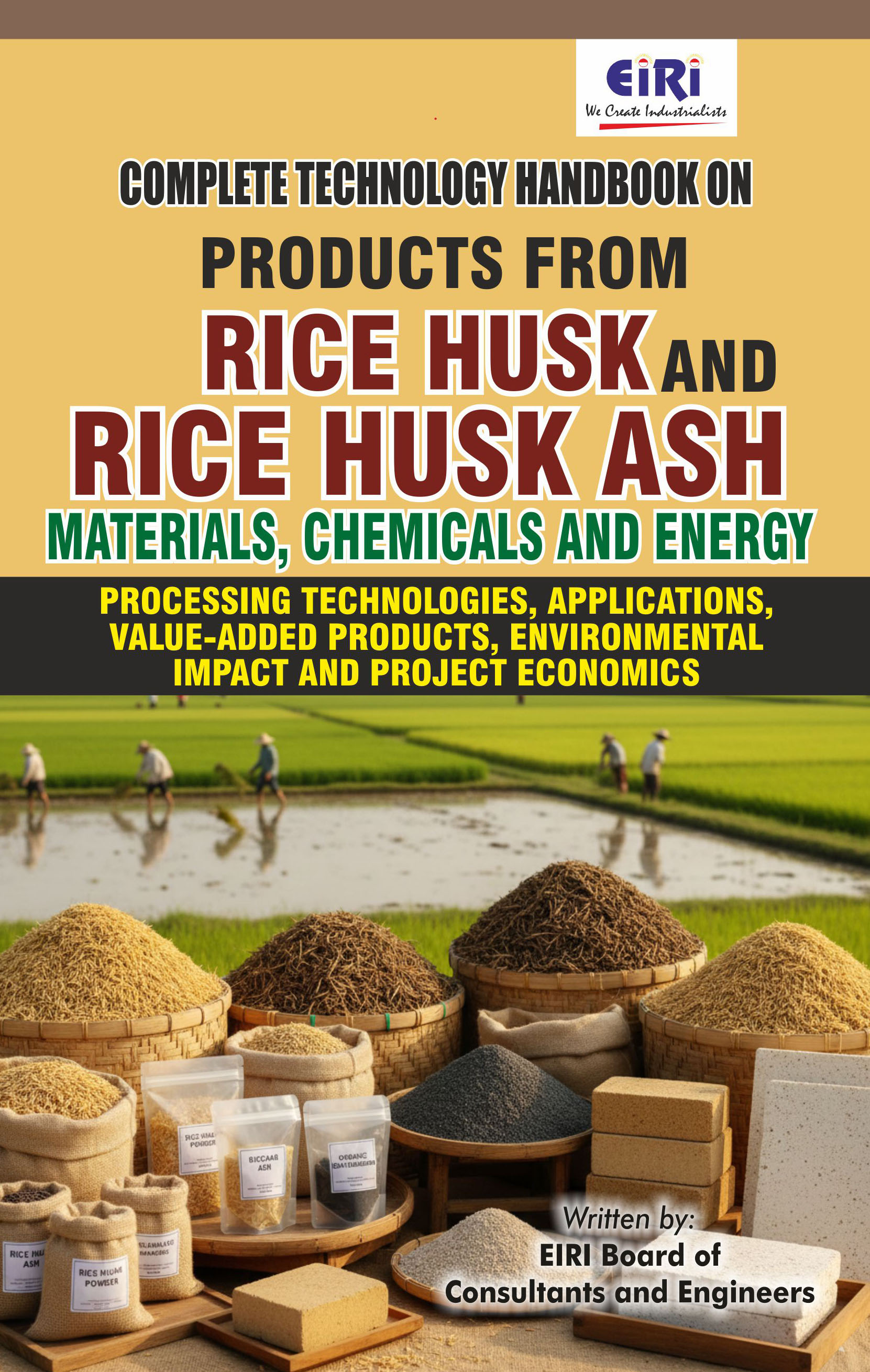
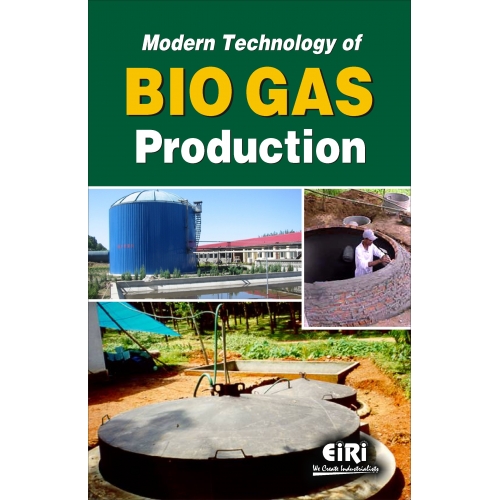
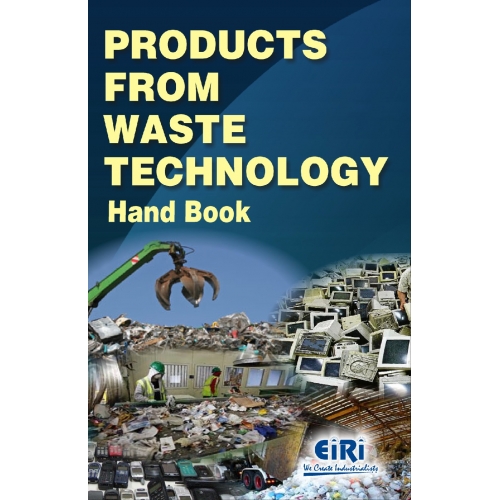
The category includes the complete handbook of industrial and agricultural waste recycling covering metal, plastic and organic waste, the broad products from waste technology handbook, and a focused guide to products from rice husk and rice husk ash — a specific, high-volume agricultural residue with real product potential. On the energy side, the category covers biogas production and chemicals, biofuels and biodiesel from biomass.
Two forces make this sector durable. Regulation — extended producer responsibility, plastic-waste rules, environmental compliance — is actively creating demand for recycling and waste processing rather than merely permitting it. And the raw material is uniquely advantaged: waste is cheap, sometimes free, and occasionally comes with a payment for taking it away. Rice husk, for instance, is an abundant milling residue that can become fuel, silica, building materials and more. The handbooks cover the recycling processes, the products that can be made, and the energy that can be recovered.
Waste-based industry sits squarely within environmental regulation. Recycling and waste-processing operations require environmental and pollution-control clearances and waste-handling authorisations, which vary by waste type — and medical or hazardous waste carries stricter controls. These requirements are integral to the business. Confirm the full regulatory pathway for your specific waste stream and location before investing.
Waste-based industry benefits from regulation-driven demand and cheap or free raw material, which makes it a defensible and increasingly future-proof sector. Profitability depends on securing a reliable waste stream, process cost and the products or energy produced. The handbooks cover the technologies.
Agricultural residues can become fuel, building materials, chemicals and energy. Rice husk and rice husk ash, for example, yield fuel, silica and building products, and a dedicated handbook covers products from them. Biomass more broadly can be converted into biogas, biofuels and chemicals.
Biogas generates energy from organic waste and can be viable where a reliable feedstock — agricultural, animal or municipal organic waste — is available, often with policy support. A dedicated handbook covers biogas production technology.
Recycling and waste-processing operations require environmental and pollution-control clearances and waste-handling authorisations, which vary by waste type. Medical and hazardous waste carry stricter controls. Map the regulatory pathway for your specific waste stream early.
Yes. Alongside these handbooks, EIRI prepares customised Detailed Project Reports for recycling, waste-to-value and biogas units, suitable for finance and scheme applications and matched to your waste stream, capacity and location.
Browse the handbooks above to find the guide for your intended process. Each can be purchased and downloaded, or request a free sample to review the depth first. For bank-ready project reports or customised documentation, send us your requirement.
Speak with our experts and get personalized guidance for your manufacturing business idea, project planning, machinery selection, and investment strategy.