Biofuels sit at the intersection of energy demand and sustainability policy, and that combination is driving real commercial opportunity. Countries across South Asia and Africa are pushing ethanol blending, biodiesel and biomass-based energy to reduce fossil-fuel imports, creating demand for domestic production. For an entrepreneur, the sector rewards technical understanding — feedstock selection, conversion process and yield economics determine whether a biofuel venture is viable — and these handbooks are built to provide it.
Each title is a practical technology guide prepared by EIRI's consultants with more than 45 years of industrial project experience, covering the production process, technology and project considerations behind biofuels and related biomass products.
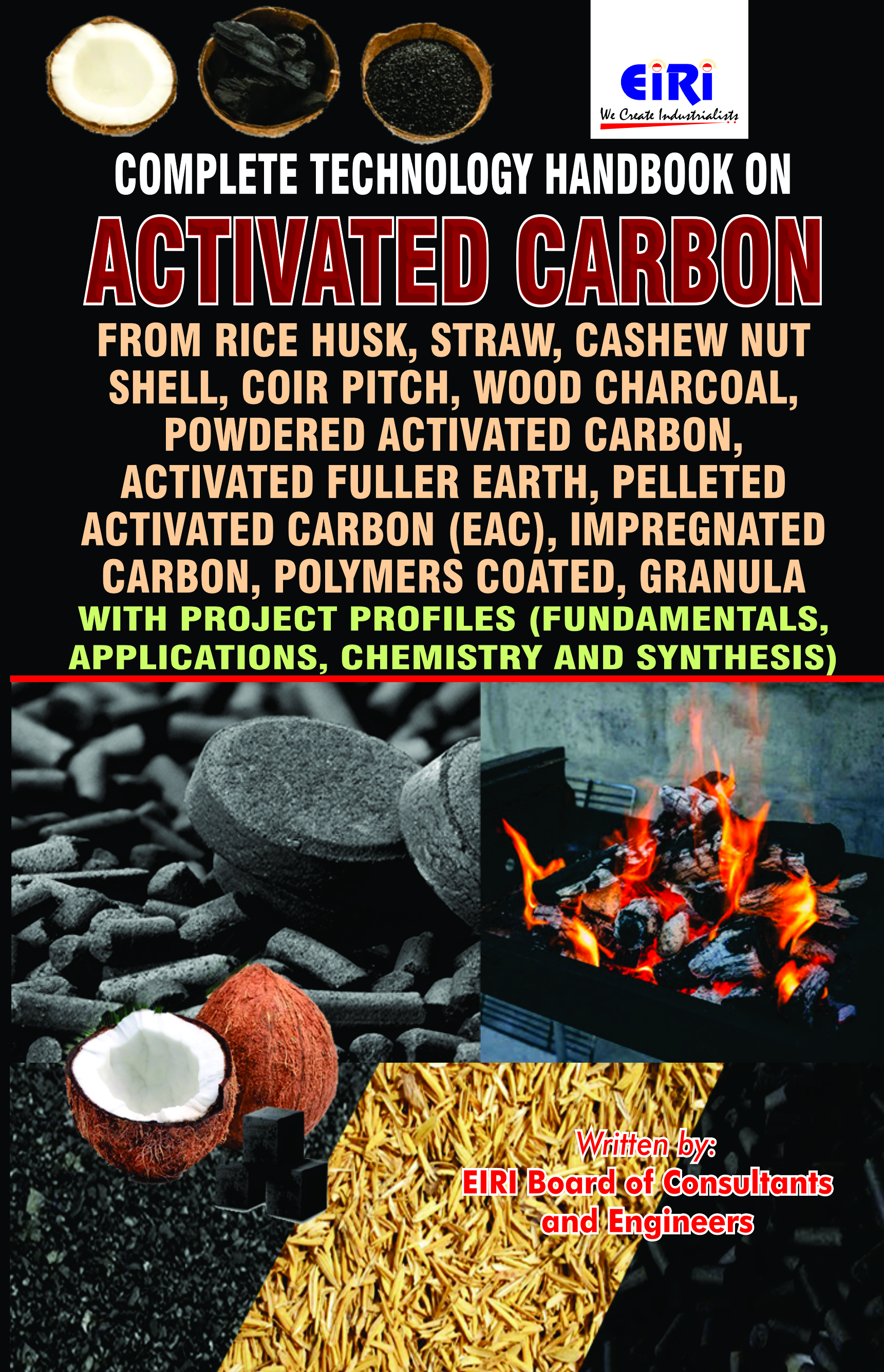
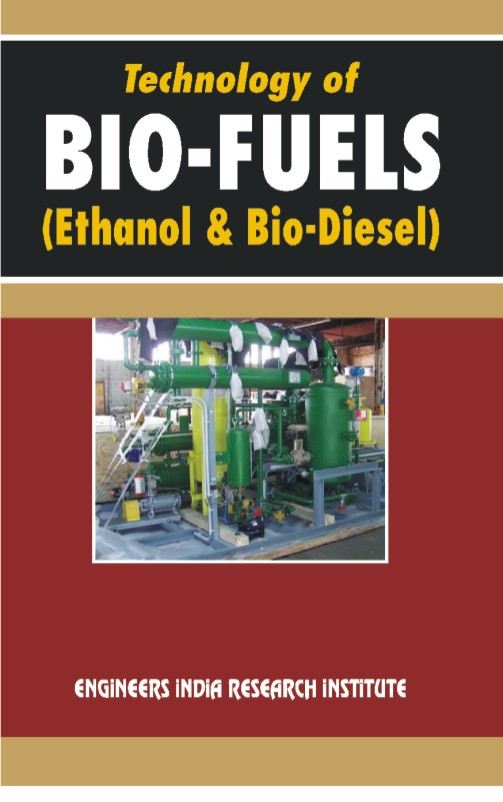
The category covers the core biofuel routes in a dedicated guide to bio-fuels — ethanol and biodiesel, and a broader complete technology of biomass, chemicals from biomass, biofuels and biodiesel. It also includes modern bioprocessing technology spanning fermentation and industrial, agricultural and energy applications, and a high-value adjacent opportunity — activated carbon production from rice husk, straw, cashew-nut shell, coir pitch and wood charcoal. Activated carbon converts agricultural waste into a genuinely high-value product used in water treatment and purification, which makes it one of the more attractive waste-to-value ventures in this category.
Each handbook covers the feedstock and raw materials, the conversion or production process, the plant and machinery involved, and the technical parameters that govern yield and quality. The biomass and bioprocessing titles extend into the wider set of products that can be derived from biological feedstock, while the activated carbon handbook details production from several different agricultural-waste inputs.
Biofuel production is subject to energy, environmental and, in the case of ethanol, excise regulation, all of which vary significantly by country and by feedstock. Ethanol in particular is tightly controlled in many jurisdictions. Environmental clearance is commonly required for biomass and conversion facilities. Confirm the specific licensing and clearance requirements for your product and location before investing.
Viability depends heavily on feedstock access and scale. Some biomass and waste-to-energy ventures work at modest scale where raw material is locally abundant and cheap, while ethanol and biodiesel are often more scale-sensitive. The handbooks help you assess feedstock economics before committing.
It varies by product. Ethanol commonly uses sugar or starch crops and agricultural residues; biodiesel uses vegetable oils and fats; and biomass energy uses agricultural and forestry waste. The guides explain feedstock options and their implications for the process.
Activated carbon is produced from biomass and agricultural waste — rice husk, cashew-nut shell, coir pitch, wood charcoal — making it a natural fit. It is also a high-value product with strong demand in water and air purification, so it is one of the more commercially attractive waste-to-value opportunities here.
Commonly, yes. Biomass and conversion facilities typically require environmental clearance, and ethanol production carries additional excise controls. Requirements vary by jurisdiction, so verify the current position with the relevant authority.
Yes. Alongside these handbooks, EIRI prepares customised Detailed Project Reports for biofuel, biomass and activated carbon projects, suitable for finance and scheme applications and matched to your feedstock, capacity and location.
Browse the handbooks above to find the guide for your intended process. Each can be purchased and downloaded, or request a free sample to review the depth first. For bank-ready project reports or customised documentation, send us your requirement.
Speak with our experts and get personalized guidance for your manufacturing business idea, project planning, machinery selection, and investment strategy.