Agricultural formulation pesticides are vital tools in modern farming, helping to protect crops from pests, diseases, and weeds while enhancing yields. With the global demand for food on the rise, the pesticide industry has grown significantly, becoming a critical component of agricultural sustainability. Manufacturing agricultural formulation pesticides is a complex process that requires scientific precision, strict quality controls, and adherence to regulatory standards.
This article explores the process, types, applications, market trends, and opportunities in the agricultural pesticide formulation manufacturing sector.
Understanding Agricultural Formulation Pesticides
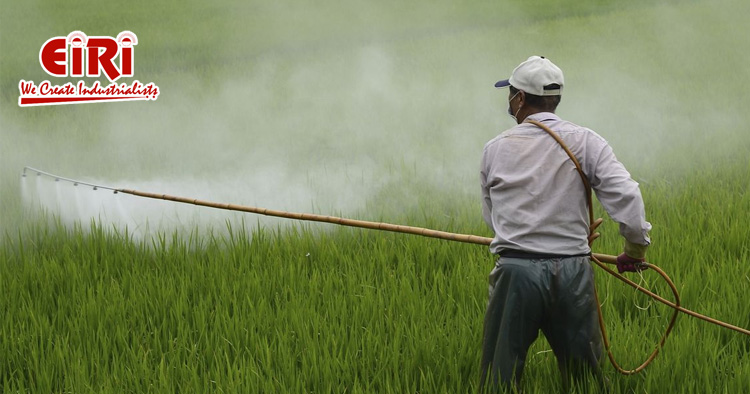
Agricultural formulation pesticides are chemical or biological agents designed to control pests, weeds, and diseases in crops. Formulations combine active ingredients with inert materials to enhance the product's effectiveness, stability, and ease of application. They can come in various forms, such as liquids, powders, granules, and emulsions.
Key Components of a Pesticide Formulation:
- Active Ingredients (AI): These are the chemicals or biological agents responsible for pest control.
- Inert Ingredients: Substances like solvents, surfactants, and carriers that improve the product's application and stability.
- Additives: Ingredients added to enhance the pesticide's performance, such as UV protectants or anti-foaming agents.
Types of Pesticide Formulations
Pesticide formulations are classified based on their physical form and mode of application. Here are the primary categories:
1. Liquid Formulations
- Emulsifiable Concentrates (EC): A mix of active ingredients, solvents, and emulsifiers that form a milky solution when diluted with water.
- Suspension Concentrates (SC): Stable suspensions of finely divided, solid active ingredients in a liquid.
- Soluble Liquids (SL): Liquid formulations that dissolve completely in water.
2. Solid Formulations
- Wettable Powders (WP): Powdered pesticides that form a suspension when mixed with water.
- Dusts (D): Fine, dry particles applied directly to crops.
- Granules (G): Larger particles for soil application, often used for slow-release purposes.
3. Other Forms
- Aerosols: Pesticides in pressurized containers for easy spraying.
- Baits: Formulations mixed with food to attract and control pests.
The Manufacturing Process of Pesticide Formulations
The production of agricultural formulation pesticides involves several key steps, combining chemical synthesis, blending, and packaging. Precision and strict quality control are essential to ensure the product's efficacy and safety.
1. Procurement of Raw Materials
Manufacturing begins with sourcing high-quality active and inert ingredients. The active ingredient is synthesized or purchased, while the inert ingredients are chosen based on the desired formulation type.
2. Chemical Synthesis
For chemical pesticides, the active ingredient is synthesized through a series of chemical reactions in controlled conditions. This step requires specialized equipment and expertise.
3. Blending and Formulation
The active ingredient is mixed with inert ingredients and additives in precise proportions. This process depends on the type of formulation being produced:
- For liquid formulations, solvents and emulsifiers are blended with the active ingredient.
- For solid formulations, powders or granules are mixed and coated.
4. Quality Control
The formulated product undergoes rigorous testing to ensure it meets quality standards. Parameters like stability, effectiveness, and safety are evaluated.
5. Packaging and Labeling
The final product is packaged in suitable containers, such as bottles, bags, or cans, and labeled with detailed instructions and regulatory compliance information.
Applications of Agricultural Formulation Pesticides
Pesticides play a crucial role in modern agriculture by safeguarding crops and ensuring higher productivity. Here are some of their key applications:
1. Pest Control
- Protect crops from harmful insects, such as aphids, beetles, and caterpillars.
- Prevent damage to plants during critical growth stages.
2. Weed Management
- Control invasive weeds that compete with crops for nutrients, water, and sunlight.
3. Disease Prevention
- Combat fungal, bacterial, and viral infections that can devastate crop yields.
4. Post-Harvest Protection
- Extend the shelf life of harvested produce by preventing pest infestations during storage and transportation.
Advantages of Pesticide Formulations
The popularity of agricultural formulation pesticides is due to their numerous advantages:
1. Improved Efficacy
Formulations are designed to optimize the active ingredient's effectiveness, ensuring better pest control with lower application rates.
2. Ease of Application
Ready-to-use formulations simplify the application process for farmers, reducing labor and time costs.
3. Compatibility
Many formulations are compatible with other agricultural inputs, such as fertilizers, enabling integrated pest management.
4. Stability and Shelf Life
Formulations enhance the stability of active ingredients, extending the product's shelf life and usability.
5. Target-Specific Action
Pesticides can be formulated to target specific pests, reducing the impact on non-target organisms and the environment.
Market Trends in the Pesticide Formulation Industry
The global pesticide industry is evolving rapidly, driven by technological advancements, regulatory changes, and shifts in agricultural practices.
1. Growth Drivers
- Increasing Food Demand: Rising global population and the need for higher crop yields are boosting pesticide use.
- Technological Advancements: Innovations in formulation technologies, such as nanoformulations, are improving pesticide efficacy and safety.
- Sustainable Practices: The shift towards eco-friendly and organic farming is driving demand for biopesticides and natural formulations.
2. Challenges
- Regulatory Compliance: Stringent regulations around pesticide use and environmental safety can increase production costs.
- Resistance Issues: Overuse of pesticides can lead to pest resistance, reducing their effectiveness.
- Consumer Awareness: Growing consumer demand for organic produce poses challenges for synthetic pesticide manufacturers.
3. Regional Insights
- Asia-Pacific: Leading the market due to high agricultural activity and the adoption of modern farming practices.
- North America and Europe: Focused on sustainable and organic formulations.
Opportunities in the Pesticide Formulation Business
The pesticide formulation industry offers numerous opportunities for entrepreneurs and manufacturers:
1. Biopesticides
The growing demand for environmentally friendly and organic farming solutions is driving the market for biopesticides, which use natural organisms or substances to control pests.
2. Nanoformulations
Nanotechnology is enabling the development of more efficient pesticide formulations, with reduced environmental impact and better pest targeting.
3. Customized Solutions
Manufacturers offering tailored formulations for specific crops or pest problems can gain a competitive edge in the market.
4. Export Potential
With global demand for pesticides rising, especially in developing economies, exporting high-quality formulations can be a lucrative business.
Conclusion
The manufacturing of agricultural formulation pesticides is a dynamic and essential industry, offering significant opportunities for growth and innovation. From protecting crops and increasing yields to addressing challenges like pest resistance and sustainability, pesticide formulations play a critical role in modern agriculture.
For businesses entering this sector, focusing on quality, innovation, and regulatory compliance will be key to success. With advancements in technology and a growing global demand for effective pest control solutions, the future of the agricultural formulation pesticide industry looks promising.