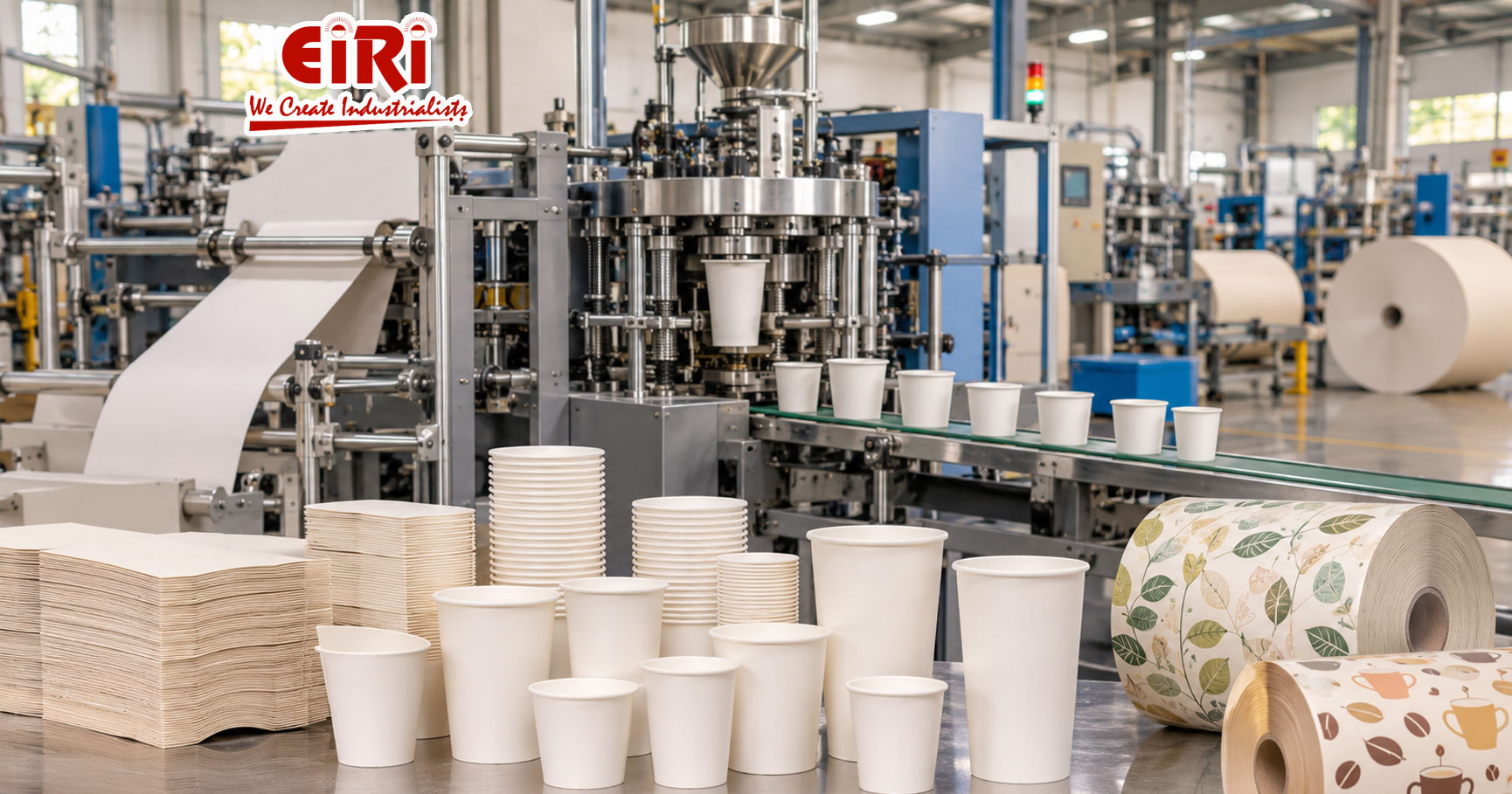
Paper cups are everywhere — tea stalls, offices, events, takeaway counters — and the push against single-use plastic has handed this business a steady tailwind. As rules tighten on plastic cups and glasses, buyers switch to paper, and someone has to make them. For an entrepreneur, paper cup manufacturing is an approachable unit: the process is largely done by one or two machines, the raw material is a bought-in paper board, and the demand is real and growing. This guide covers the machinery, the process, the costs, and what actually decides whether the unit runs well.
Why Demand Is Growing
The demand story here is unusually clear. Paper cups ride on two things at once: the everyday habit of serving tea, coffee and cold drinks in disposable cups, and the steady move away from plastic driven by single-use plastic rules. Every time a plastic cup is phased out, a paper one tends to take its place. Buyers range from tea and coffee vendors and restaurants to offices, caterers, hospitals and event organisers, so the market is broad and local. That mix of daily use and a regulatory push is what makes this a business worth looking at seriously.
How Paper Cups Are Made
Paper cup making is a converting business — you buy printed or plain food-grade paper board already coated to hold liquid, and turn it into cups. A paper cup machine forms the body and base from pre-cut blanks or a reel, shapes and seals them with heat, and curls the rim, turning out finished cups ready to pack. The main choices are the degree of automation — semi-automatic machines need more hands, fully automatic ones run faster with less labour — and the cup sizes you make. Because the board arrives food-grade and coated, much of the quality is built into the raw material, and your job is clean, consistent forming.
The Machinery You Need
The heart of the unit is the paper cup forming machine, chosen for your sizes and output and for the level of automation you want. Around it you need the food-grade printed board (bought in), and, if you want to print your own designs, access to printing — though many starters buy pre-printed board and skip that step. A clean working space, packing arrangements and storage complete the setup. One machine can be enough to start; adding machines or a faster automatic line is how you scale. Because it is largely one machine doing the work, the unit is simpler to run than a long production line.
Raw Material and Food Safety
The single biggest running cost is the food-grade paper board, so its price and your buying arrangement shape your economics directly. Because the cup holds food and drink, it has to meet food-contact safety standards, which means an FSSAI licence and using approved, food-grade coated board — not just any paper. That food-safety point is both a requirement and a selling point: buyers, especially bigger ones, want to know the cups are compliant. Getting a steady supply of good board at a workable price is the main sourcing job.
Licences and Approvals
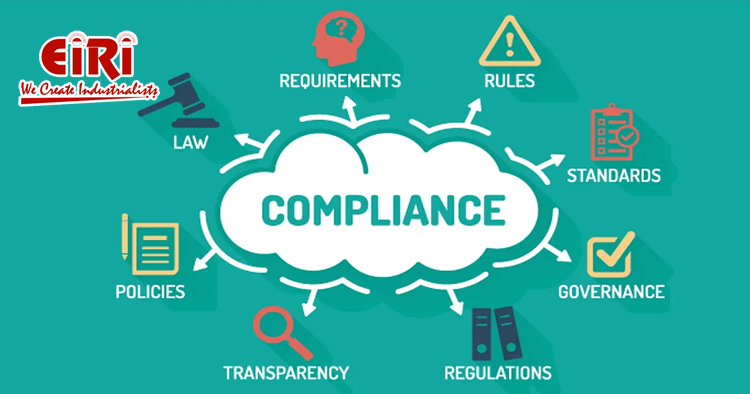
A paper cup unit needs standard business and MSME registration, an FSSAI licence because the product is for food and drink contact, and the usual local trade approvals. Depending on scale, general factory and pollution-control requirements may apply. Since the demand is partly created by single-use plastic rules, it is also worth staying current on those regulations in your state. Requirements change, so confirm the position with your FSSAI authority and local bodies before you commit.
Understanding the Business Before You Invest
Paper cups sit in the paper converting and packaging family, and understanding that side — the board, the coating, the converting and the packaging — helps you plan a unit that runs cleanly and meets food-safety standards. The pulp and paper technology business books, and in particular the handbook on stationery, paper converting and packaging industries, cover paper conversion products and their processes as a practical reference. If you are drawn to the eco-friendly angle, the biodegradable tableware handbook covers the wider disposable-tableware family that paper cups belong to.
What a Bankable Plan Needs
For a bank loan or a scheme application, your project needs to be set out properly: the machine and sizes you are choosing, the board supply and its cost, the FSSAI and other approvals, the building and power, packing, working capital, and realistic numbers. The units that do well usually locked in a steady board supply and a set of regular buyers before scaling up. Doing that planning first is what turns a good demand story into a unit that actually earns.
Ready to Take the Next Step?
When you are ready to turn the idea into a real, financed project, EIRI can prepare a Detailed Project Report for your paper cup unit — built around the machine, sizes and location you have in mind, and in the form banks and scheme offices look for. Send us your requirement with the output you are planning and we will come back with the scope and the next step.
When you are ready to put real numbers to it, this disposable paper cups and glasses project profile is a useful next stop. It sets out the investment for units from about 5 to 100 tonnes of board a month, the market demand, a directory of cup-machine makers and food-grade board suppliers, and ready DPR and CMA reports for a bank loan — a practical way to line up your board supply and the loan paperwork in one go before you commit.
Frequently Asked Questions
Is paper cup manufacturing a good business?
It has a clear demand story: everyday use of disposable cups for tea, coffee and cold drinks, plus a steady switch away from plastic driven by single-use plastic rules. The market is broad and local, from vendors to offices and caterers. The unit is simple to run since one machine does most of the work, and economics turn mainly on the paper board cost.
How are paper cups made?
It is a converting business. You buy food-grade paper board already coated to hold liquid, and a paper cup machine forms the body and base, seals them with heat and curls the rim, turning out finished cups ready to pack. Much of the quality is built into the food-grade board, so clean, consistent forming is the main job.
What machinery do I need for a paper cup unit?
The core is a paper cup forming machine chosen for your sizes, output and level of automation, plus food-grade printed board bought in, a clean working space, and packing and storage. One machine can be enough to start, and you scale by adding machines or moving to a faster automatic line. Many starters use pre-printed board and skip in-house printing.
Do paper cups need an FSSAI licence?
Yes. Because the cup is in contact with food and drink, it must meet food-contact safety standards, which means an FSSAI licence and using approved, food-grade coated board rather than ordinary paper. Along with that you need standard business and MSME registration and local trade approvals. Confirm the current requirements before you start, as rules change.
What is the main running cost in paper cup making?
The food-grade paper board is the single biggest running cost, so its price and your buying arrangement shape your economics directly. Securing a steady supply of good board at a workable price is the main sourcing job. Packaging and power follow. Because the board carries much of the cost and quality, buying it well matters a great deal.